


When you lose someone you love, people often tell you to hold on to their memories.
I never truly understood what they meant until the day I lost my mother.
My mother, Azizah Mansor (above, right), passed away on March 29, 2025, just two months away from her 72nd birthday.
Being the youngest and the only one yet to marry, I was especially close to my mother, which made losing her all the more painful.
At the cemetery, I watched my sister surrounded by her friends and husband, while my brother had his wife beside him.
I had no one beside me, but I did not cry - I was simply too tired to.
It was only when I returned to an empty home that the grief finally hit me.
I could not stop crying. I could not sleep. I could barely do anything.
I kept telling myself that it was okay, that at least my mother was no longer in pain, but somehow, it was not enough to comfort me.
In the days that followed, I kept myself busy, trying to carry on as though everything was normal.
Sinking emotionally
But beneath it all, I was slowly sinking, unable to escape the memory of the day she died.
She had just finished dialysis, and I had gone to the ward to accompany her back.
I remember being happy and relieved to see her. Then, minutes later, she suffered a heart attack.
I remember the doctors and nurses rushing to the centre of the ward and closing the blinds.
All I could see was her leg, and I could hear the doctors saying, “Telan mak cik, telan” - urging her to swallow the intubation tube.
Those were the memories that kept replaying in my mind.
Neighbours arrive
As word of my mother’s passing spread, childhood friends and familiar neighbours began making their way to my parents’ home.
Iema and her siblings were among the earliest to arrive.
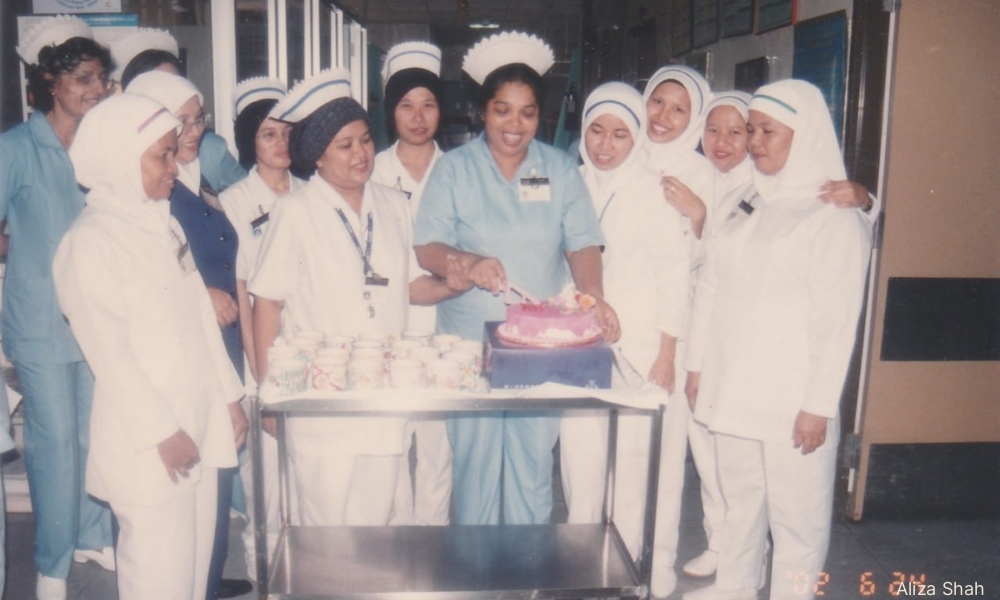
Most of them had already moved out of the neighbourhood, but they had heard about my mother's passing through a nurses' group. My mother was a nurse.
“Teringat Sister Azizah dulu, garang, semua orang tak berani, tapi dia baik sangat. Dia sentiasa jaga budak dia.” (I remember Azizah. She was stern and everyone was scared of her, but she was actually kind. She always took care of those under her responsibility)
Those words hit me hard because, at that moment, all I could remember was my mother lying in the Intensive Care Unit, intubated and surrounded by wires, looking so fragile and weak.
When Iema and her siblings left, memories of my mother in her blue uniform, with her rectangular, laminated government-issued name tag bearing her picture and the words “jururawat” (nurse), came flooding back.
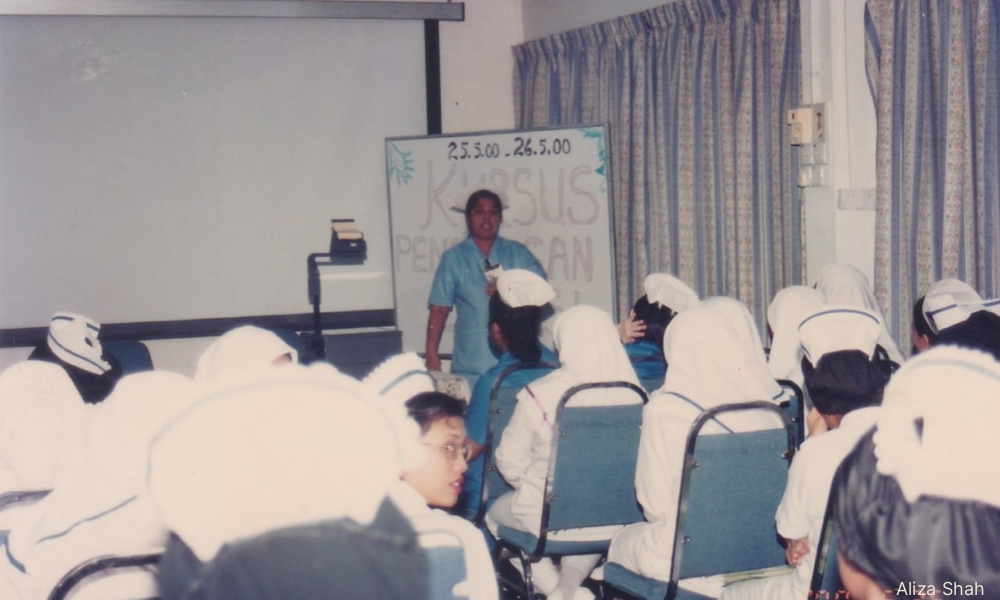
I was always so proud to tell people that she ran the maternity ward at the Tengku Ampuan Afzan Hospital in Kuantan.
Then I received a call from Chun Fen, who lived behind my house.
Back then, we played as if there was no tomorrow.
My mother was the unofficial referee of our late-evening games.
She would stand in the back alley behind our house, about 100 metres from the field, and yell my name.
That was basically how the whole neighbourhood knew who I was.
As the one with the ball, my going home meant game over for everyone.
Chun Fen’s loss
Chun Fen lost her mother a year before I lost mine, so we understood each other’s grief in a way few others could.
We had grown up knowing each other’s families and had seen our mothers through the years.
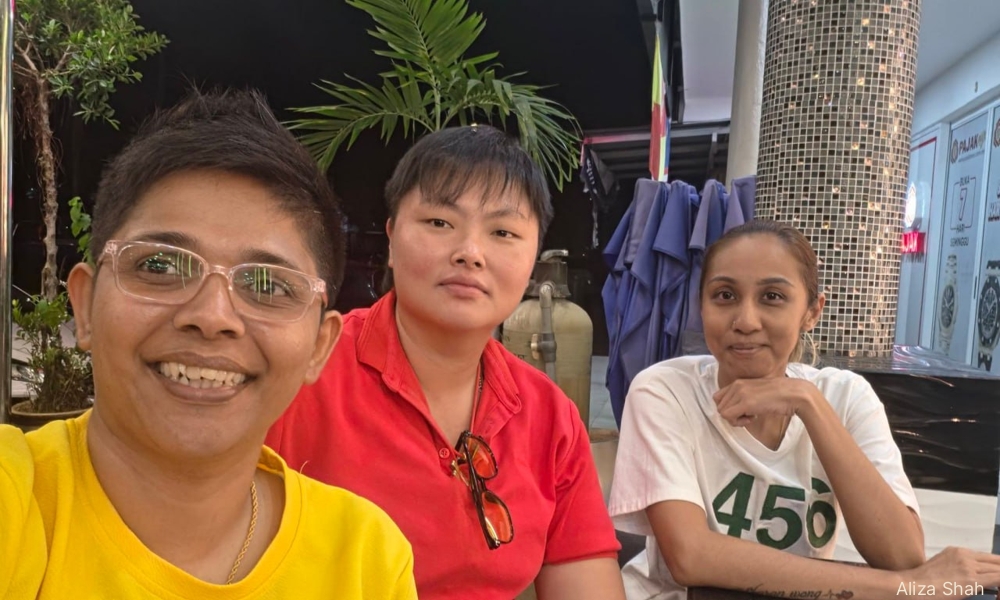
That allowed us not just to share our grief, but also to remind each other of who our mothers were.
One thing we both agree on is how much we missed their cooking.
Last Raya, I promised myself that I would learn to cook her dishes, and I invited the usual gang over.
‘Mum was always present’
“I selalu jealous dengan you, sebab mak you selalu ada dengan you (I was always jealous of you because your mum was always by your side),” my friend, Kan Siew Wei, said while trying my ketupat and nasi tomato.
“Kenapa (why)?” I asked. I genuinely did not understand what she meant.
Then she reminded me of how my mother was always there for my taekwondo grading - the tests I took to advance to the next belt - and at every tournament.
She would wait for hours and never complain.
Her words reminded me that before she was the mother I lost, she was the mother who was always there.
Perhaps that was why coming home always felt so comforting.
Living away in Kuala Lumpur meant that every trip back to Kuantan felt like a reunion, with her waiting for me in her usual chair in the living room. I miss that more than I can say.
But now, every time I go back to my hometown, my next-door neighbour, known to many as Sifu, but whom I have always called "Uncle" - is always outside, and he is always excited to see me arrive.
"Hello Aja, baru sampai? (just arrived?)" - he would say, every single time.
He probably does not realise it, but the way he lights up when he sees me gives me an ease I have not felt in a while - that same familiar feeling of being welcomed home by someone genuinely happy you're there.
Mixed-parentage ties
Next to Sifu's house is my other childhood friend, Sharon Wong Lai Kuan.
Wong and I both come from mixed backgrounds - I am Malay and Punjabi; she is Chinese and Indian.
"Wey, ni sama macam masa dulu-dulu aku selalu datang rumah kau untuk makan mak kau masak (this is like the old days, when I used to come to your house to eat your mum’s cooking)," she said a few days ago, when I invited her for dinner.
Back then, my mother would always prepare a plate for me and another for her. I smiled as the memory came back.
The next day, Wong turned up at my house with nasi lemak.
"Aku beli nasi lemak, tapi tak pasti la itu betul ke tak nasi lemak makcik Ani (I bought nasi lemak but I’m not sure if it will taste like the one made by aunty Ani),” she said.
I had been telling her about the nasi lemak I grew up eating, the one my mother used to buy for me every day.
The gesture was simple, but it touched me deeply.
For a while, I had been afraid the memories of my mother were slipping away.
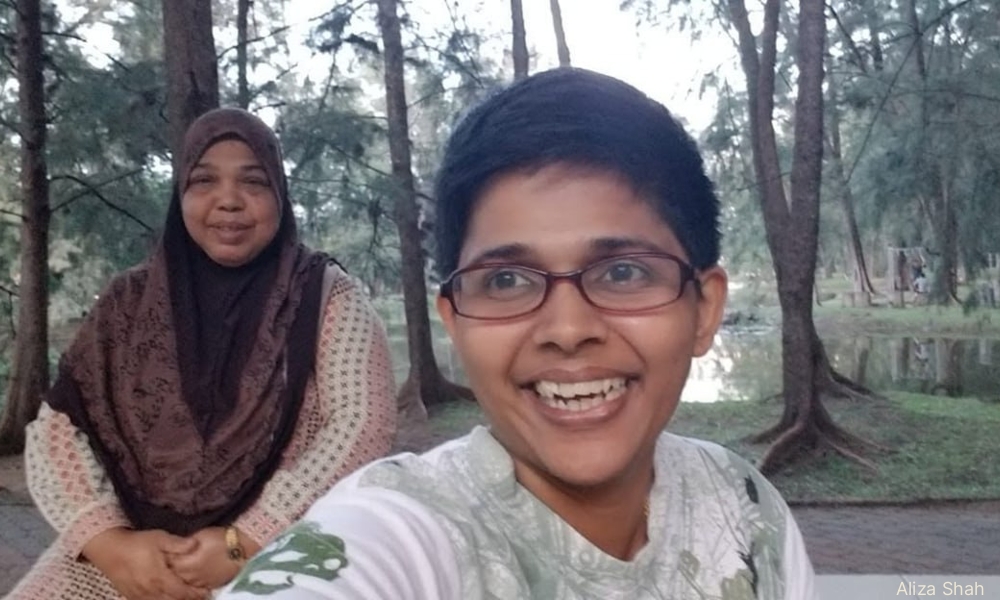
But I found her again in their stories, in the food they remembered, in the jokes they shared, in the way they spoke about her.
And perhaps that is the Malaysia I love - where neighbours care for one another, where friends become part of our lives regardless of our backgrounds, and when we lose someone, we realise we are not the only ones carrying their memories. - Mkini
ALIZA SHAH is a communication lecturer at the School of Media and Communication, Taylor’s University, and has worked as a journalist for more than a decade.
The views expressed here are those of the author/contributor and do not necessarily represent the views of MMKtT.

No comments:
Post a Comment
Note: Only a member of this blog may post a comment.