


THE recent announcement by Prime Minister Datuk Seri Anwar Ibrahim to standardise entry into Standard One at the age of six must be assessed in light of the realities faced by Sabah and Sarawak, and more importantly, the rights guaranteed under the Malaysia Agreement 1963 (MA63).
Sabah and Sarawak are not the same as Peninsular Malaysia. Under MA63, both states were assured special safeguards and recognition of their unique geographical, social, and developmental conditions, including autonomy and flexibility in education matters.
As such, any national education policy that ignores these realities is contrary to the spirit and intent of MA63.
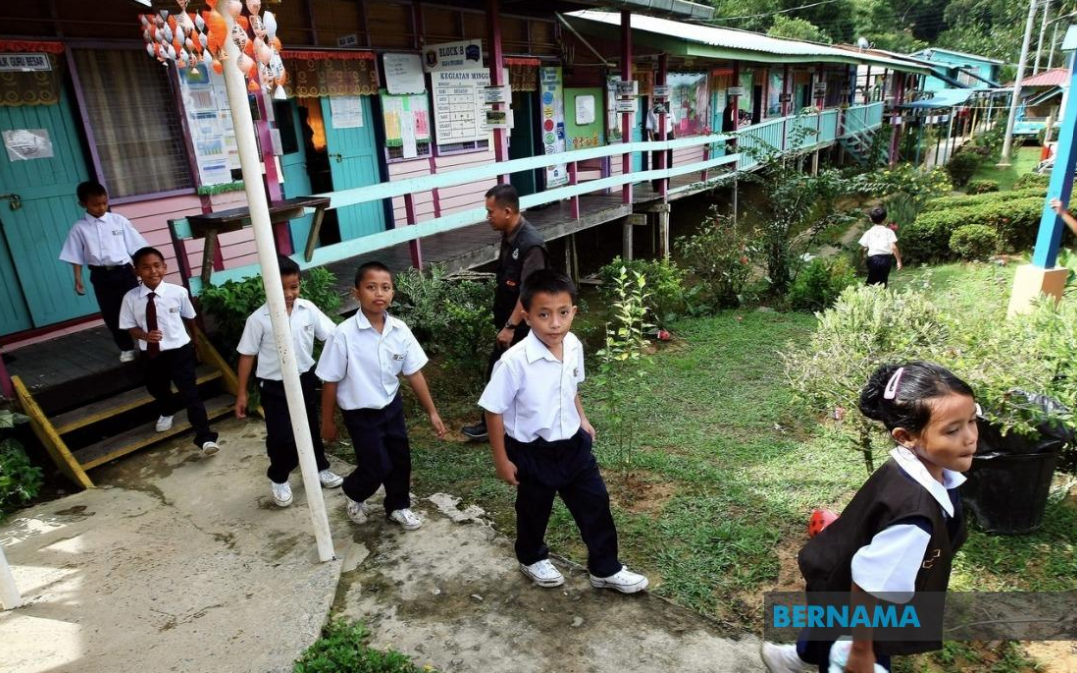
Large parts of Sabah and Sarawak remain rural and remote, with many communities still lacking basic infrastructure. There are villages without proper roads, without reliable bus or boat services, and in some cases without a primary school within safe and reasonable reach.
Children are often forced to travel long distances through rivers, forests, and dangerous terrain just to attend school.
Of particular concern is the state of schools in Sarawak. There are 298 schools remain in a dilapidated condition, 14 primary schools still rely on generators for electricity, and 428 schools do not yet have access to treated clean water.
In this context, enforcing Standard One entry at the age of six raises serious concerns. How can the safety of six-year-old children in the interior of Sabah and Sarawak be guaranteed? Are there sufficient hostels, transport assistance, teachers, and school facilities to support them?
Will Sabah and Sarawak be given the authority to determine readiness based on local conditions, as envisaged under MA63?
The federal government must first repair, upgrade, and fully equip all rural schools in Sarawak, including school buildings, safety infrastructure, hostels, transport systems, and teaching resources before implementing any policy that compels children as young as six to attend school.
Education reform cannot be imposed through a centralised, one-size-fits-all approach. Genuine reform requires prior and substantial investment in infrastructure, rural schools, transport systems, teacher welfare, and basic amenities, particularly in East Malaysia.
Respecting MA63 requires more than rhetoric. It demands meaningful consultation, policy flexibility, and adequate federal funding to address long-standing development gaps.
Without these measures, such policies risk widening the education gap, endangering children’s safety, and undermining the constitutional position of Sabah and Sarawak.
Sabah and Sarawak do not reject education reform. What is rejected is reform that ignores regional realities, child safety, and MA63 rights.
If the federal government is sincere about achieving educational equity, it must first ensure access, safety, functional schools, and regional parity before enforcing uniform age requirements nationwide.
Peter John Jaban is the founder of Saya Anak Sarawak and the deputy president of Global Human Rights Federation (Malaysia).
The views expressed are solely of the author and do not necessarily reflect those of MMKtT.
- Focus Malaysia.

No comments:
Post a Comment
Note: Only a member of this blog may post a comment.