


PARLIAMENT | Former education minister Hishammuddin Hussein (BN-Sembrong) today questioned the viability of Putrajaya’s 2026-2035 Education Plan, particularly on enrolling six-year-olds into primary school starting next year.
While Education Minister Fadhlina Sidek and her deputy Wong Kah Woh had stated the ministry’s plan to build more classrooms and hire contract teachers, he raised concerns in the Dewan Rakyat if that would be enough to accommodate the influx of new students.
“What is the ministry’s plan to ensure facilities at school are enough to accommodate our students? Secondly, are there enough teachers and have enough preparations been made before this initiative was rolled out?
“I have read the minister’s answer through the media, that the ministry was waiting for more data before they make the planning, and that new classrooms would be built using the IBS (industrialised building system) method.
“But the fact is, our country today has 7,778 primary schools and some three million students, with 236,000 teachers.
“This is not something that can be easily answered, and I provided the figures to help the ministry properly think this through,” Hishammuddin (above) said during the oral question and answer session at the Dewan Rakyat this morning.
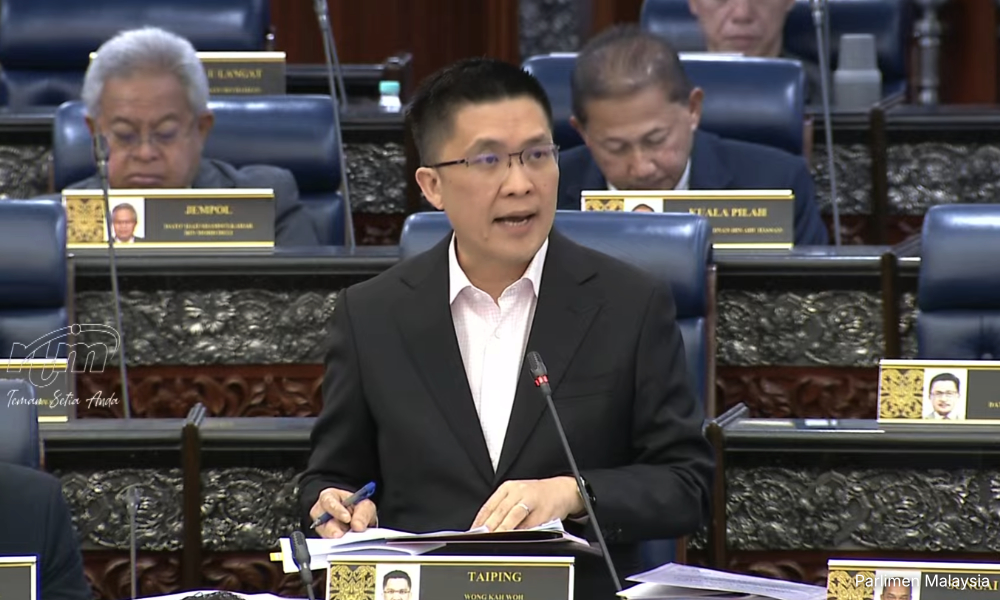
According to the BN representative, the new plan has worried many parents, teachers, and students, and stressed that it has to be explained thoroughly.
On Tuesday, Prime Minister Anwar Ibrahim launched the government’s 10-year education plan, which saw the introduction of several new initiatives, including giving parents the option to enrol their six-year-old children in Year One if they believe their children are ready.
With the option, students who enrol from age six are expected to complete their upper secondary education at 16.
Short- and long-term plans
In response to Hishammuddin’s question, Wong, who represented Fadhlina during the question and answer session, reiterated the minister’s answer from an earlier Minister’s Question Time.
On facility issues, he said the ministry would optimise existing school facilities while recognising that some schools would need new buildings to cater to more students.
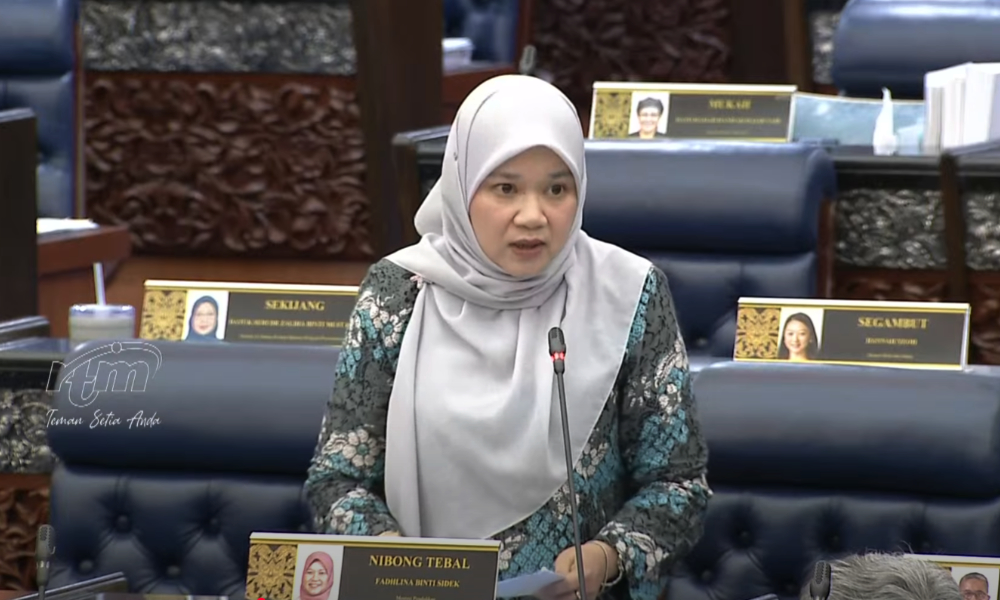
“What the Education Ministry would do is, we will identify the (schools that need) new buildings and build them using the IBS method, which takes a short time to construct.
“About the number of teachers, we need more to cater to Year 1 students. For the short term, the ministry together with the Education Services Commission would hire new teachers under contract of service (COS), which can be done in a short time and before the new cohort begins,” he told the Dewan Rakyat.
Wong added that they also have a long-term plan, including hiring more graduate teachers, among others.
However, the deputy minister’s answer did not sit well with Hishammuddin, who demanded that Fadhlina provide more details in her winding-up speech at the Dewan Rakyat later.
Careful, phased implementation
Fadhlina, speaking earlier today in the august house, said the government has planned and prepared thoroughly before offering the option.
She stressed that children would not be used as “lab rats” for the new education plan.
However, she recognised that many are concerned about the initiatives because they are new.
“I would like to stress that all the issues raised and all the concerns of the public at this time are very valid, because this is something new. We also take full responsibility to provide clarification and ensure that this implementation is carried out in the best possible manner.
“Firstly, our children are not laboratory test subjects, not lab rats,” she said when answering a question from Roslan Hashim (PN-Kulim Bandar Baharu).
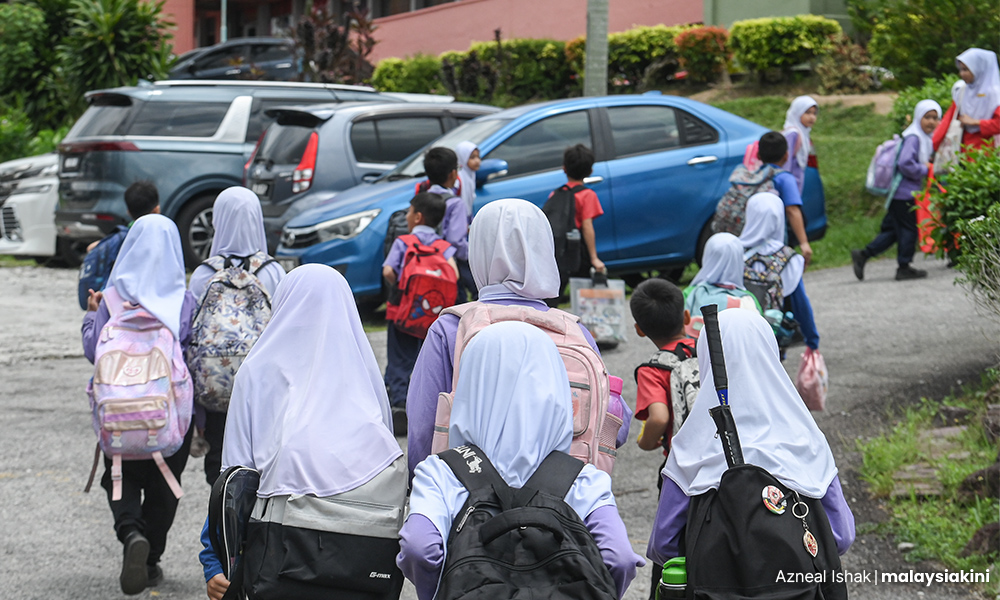
Fadhlina added that the new policy is not being rushed, but has instead been discussed and debated in the 13th Malaysia Plan, and went through an engagement process with stakeholders.
She also said the plan is not being made as a pilot project.
“That is why it is being implemented in phases, on a voluntary basis, and supported by diagnostic testing.
“The implementation mechanism is determined by the ministry, including having emotional and psychosocial support for students.
“This policy is not rushed, and it was not done without the involvement of stakeholders,” she said. - Mkini

No comments:
Post a Comment
Note: Only a member of this blog may post a comment.