


The government recently announced that children can enter Year One as early as six years old, making it an option for parents.
In principle, this policy appears flexible and progressive, recognising that children develop at different rates and that chronological age is not the sole determinant of school readiness.
Allowing parents this choice seems to respect diversity, but the benefits of the policy will only be realised if the primary education system is truly prepared to accommodate younger students.
The main concern lies in the current structure of Year One, which remains academically focused, emphasising reading, writing, and arithmetic.
Children at age six are still in the early stages of development, during which learning is most effective through interaction, exploration, experience, and play (play-based learning).

This approach has been shown to build cognitive, emotional, and social foundations, as well as creativity and attention skills.
Local studies indicate that preschool teachers who implement play-based learning can enhance children’s interest in learning, develop social skills, and strengthen creativity. Reducing play in favour of early formal academics risks undermining children’s motivation and emotional well-being.
Can the schools handle it?
Moreover, the physical preparedness and resources of schools remain a critical challenge. Lowering the entry age may lead to shortages of classrooms, inadequate teacher-student ratios, and insufficient age-appropriate learning materials.
These infrastructure constraints not only reduce learning effectiveness but also increase stress for teachers and students, preventing children from reaching their full developmental potential.
Additionally, six-year-old children may not yet be ready to face the complexities of the Year One curriculum, which includes formal reading, writing, and numeracy tasks.
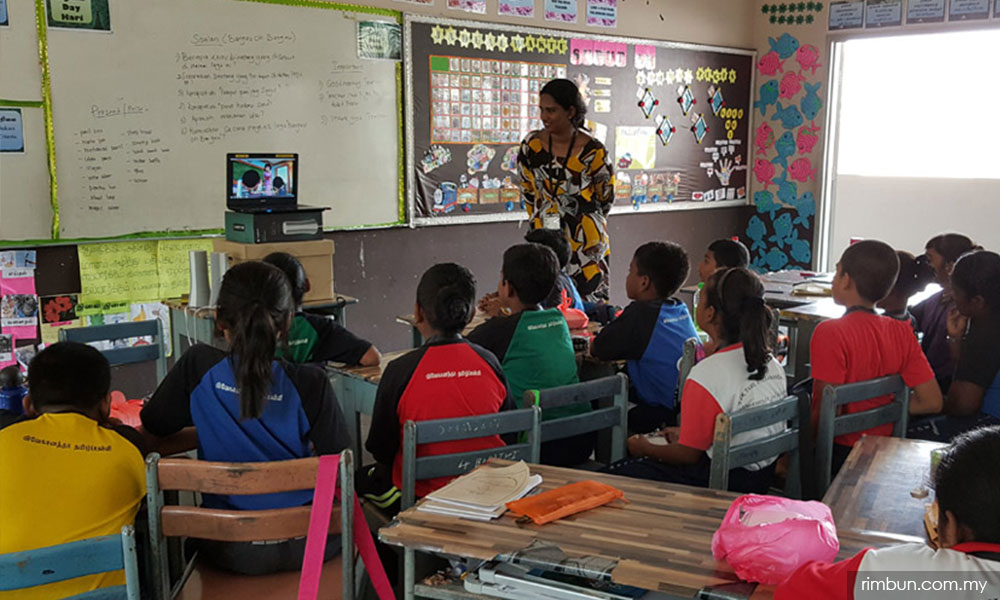
The government needs to review teaching approaches and initiatives to ensure they align with children’s developmental stages. Without pedagogical adjustments, an earlier entry age becomes a figure on paper rather than a meaningful educational opportunity.
Social pressure may also drive parents to enrol children prematurely for fear of falling behind, which risks widening the social gap between children from well-resourced and under-resourced families.
Policy has potential, needs follow through
This policy has the potential to be beneficial if accompanied by comprehensive reforms. The Year One curriculum must be adapted to be developmentally appropriate, emphasising learning through experience and play.
Teachers need training to manage classrooms that combine formal instruction with play-based learning, while schools must be equipped with adequate infrastructure.
A clear mechanism for assessing school readiness is also essential to ensure that children entering Year One are truly prepared cognitively, emotionally, and socially.
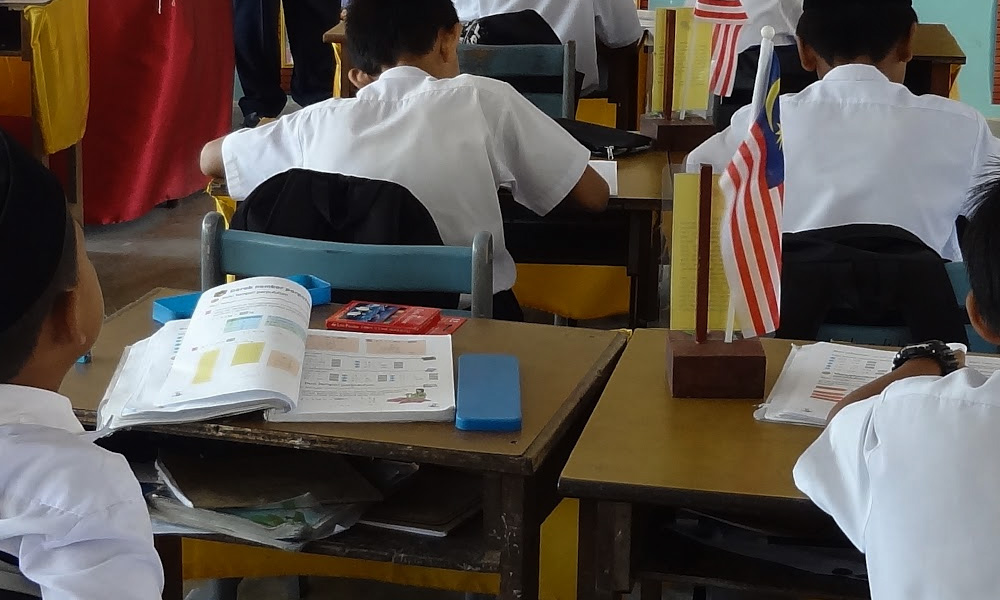
The critical question remains: is the government prepared to implement comprehensive adjustments to the curriculum, teaching approaches, and infrastructure, or will this policy be merely cosmetic, appearing progressive but fragile in practice?
Without systemic reform, setting six years old as the entry age may not reflect children’s genuine readiness, and the risk of early academic pressure will continue to affect their learning experiences. - Mkini
MUNZIR NASIR is National Student PAS Supporters’ Club chairperson.
The views expressed here are those of the author/contributor and do not necessarily represent the views of MMKtT.

No comments:
Post a Comment
Note: Only a member of this blog may post a comment.