


Passengers travelling on interstate express buses could end up paying more for some journeys following two newly gazetted regulations that came into force on June 15.
Under the revised framework, more buses may now be classified as executive services, potentially resulting in higher fares.
Although the fare calculation framework remains unchanged, the shift to seating configuration as the primary classification criterion means more services may now be subject to the executive fare floor.
Express buses remain divided into two categories - economy and executive - but the basis for classification has changed.
Under the Land Public Transport (Rates of Fares for Express Bus Services) Regulations 2026, economy express bus fares remain capped at 9.3 sen per passenger per kilometre.
Executive express buses remain subject to a minimum fare of 15 sen per passenger per kilometre, with a maximum cap of RM300 for a one-way journey.
Under the new regulations, travel remains free for children below the age of two.
Persons with disabilities cardholders and senior citizens aged 60 and above, meanwhile, are entitled to concessionary fares.
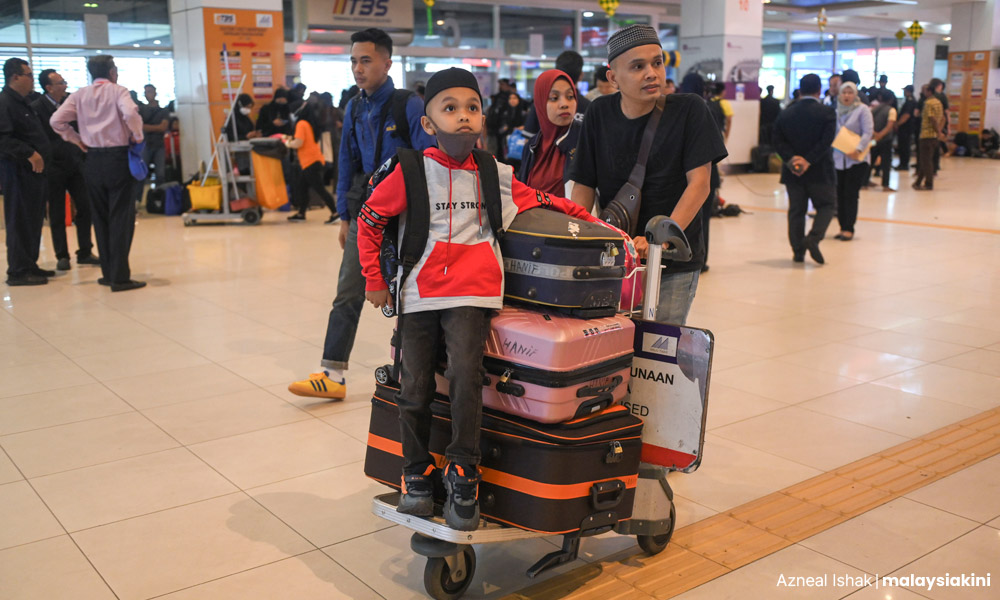
For economy express buses, eligible cardholders pay 75 percent of the fare charged to passengers aged two and above. For executive express buses, they also pay 75 percent of the applicable fare.
Seating arrangement explained
Economy express buses are defined as those with two seating columns comprising double seats, commonly known as a two-plus-two configuration.
Executive express buses are defined as those with at least one seating column comprising single seats, typically a two-plus-one layout.
For both, the maximum capacity is 67 passengers, including the driver.
This marks a departure from the 2022 framework, which classified economy and executive buses based on seating capacity, onboard facilities and service offerings.
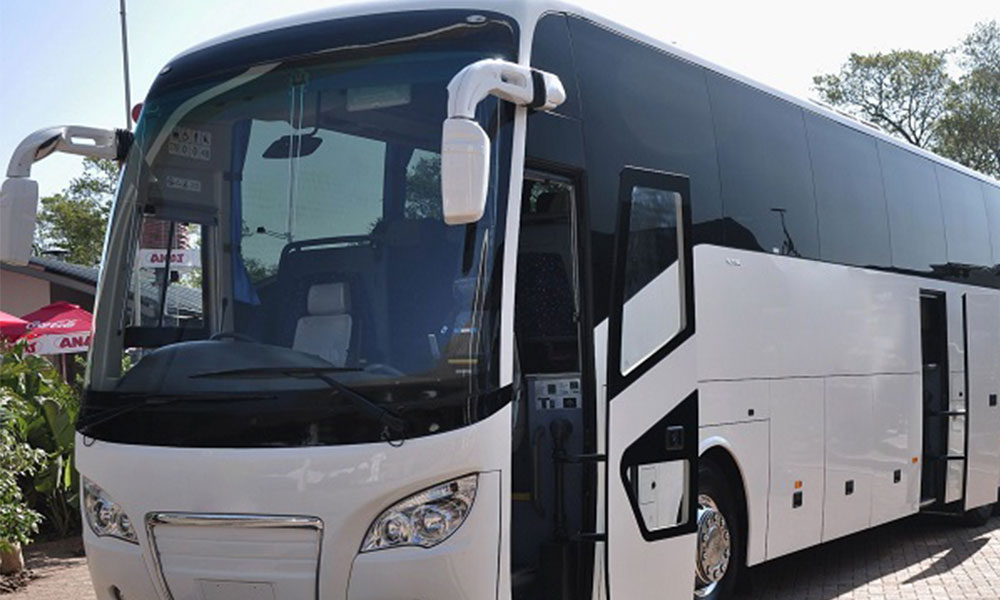
Under the 2022 regulations, economy buses had to accommodate at least 38 passengers, while executive buses were limited to 37 passengers and required at least one row of single seats.
Executive services also had to provide additional facilities such as reading lights, multimedia systems, reclining seats with food trays and halal drinks.
The updated framework removes seating capacity and onboard facilities as classification criteria, focusing solely on seating layout.
How much will this change cost you?
For illustration, a 350km journey from Kuala Lumpur to Penang would cost up to RM32.55 under the economy fare ceiling, while the same journey on an executive service would start from RM52.50, subject to the RM300 cap.
A Kuala Lumpur-Johor Bahru journey of about 330km would be capped at RM30.69 for economy services, while executive fares would start from RM49.50.
The changes are expected to affect fares for services reclassified as executive, particularly the many buses that use two-plus-one seating configurations, which are common in the industry.
Under the new rules, these services must comply with the executive fare floor, reducing operators’ ability to offer discounted fares during periods of lower demand.
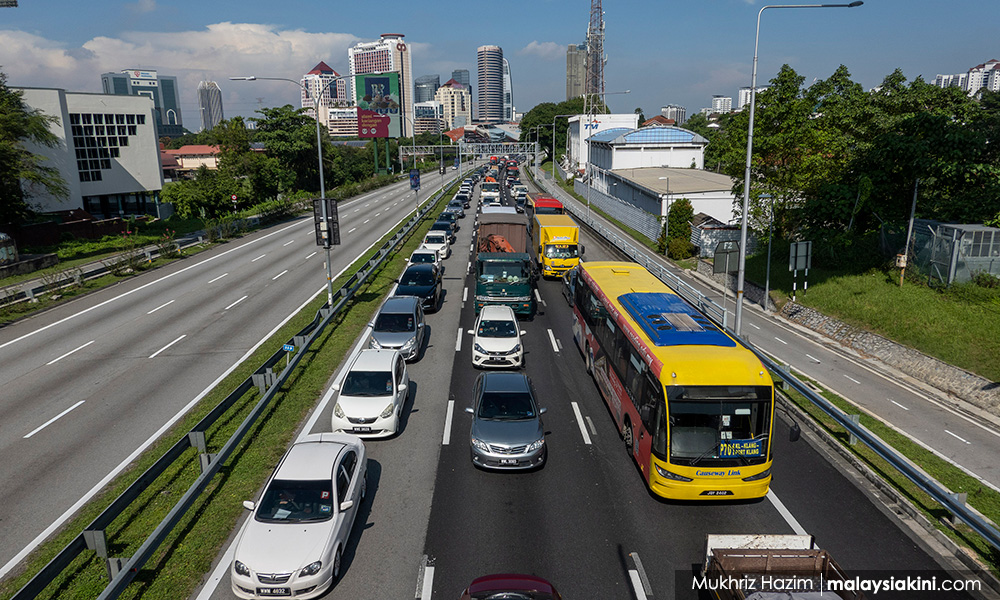
However, the gazettes do not specify how many existing services will be reclassified, and the overall impact on ticket prices will depend on how operators adjust their fleets and fares during the six-month transition period.
Although the regulations came into force on June 15, licensed operators have six months to fully comply with the updated classification framework.
How does this affect consumers?
The impact is likely to be felt by many interstate bus passengers, as two-plus-one seating configurations are common.
According to an industry source, many of these services were previously able to offer lower fares during off-peak periods despite providing more spacious seating.
With more services likely to be classified as executive, operators may no longer be able to sell tickets below the minimum fare, even when demand is low.
As a result, some passengers could pay more without any corresponding improvement in onboard services or facilities.
“It’s a very small change in the definition of executive (buses), but the impact is very great because the number of buses that move from economy to executive is most of the buses,” the source, who requested anonymity, told Malaysiakini.
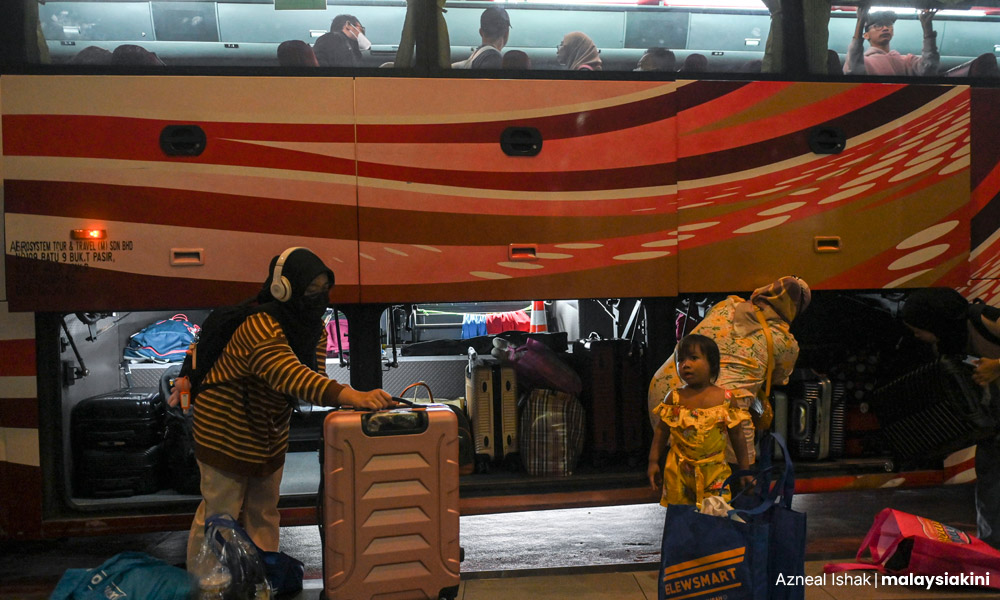
The source also questioned the need for a fare floor, arguing operators should be allowed to compete on price during periods of low demand.
“Because at 15 sen (per kilometre), I won’t have customers coming in. There’s no point having a high price if I don’t have passengers on the bus,” the source added, noting that operators still need to maintain occupancy levels to cover operating costs.
According to the source, the full impact may become clearer during peak travel periods such as Hari Raya, when demand for interstate travel rises.
The source also warned that higher bus fares could push some travellers, particularly younger passengers, to switch to private cars or motorcycles instead.
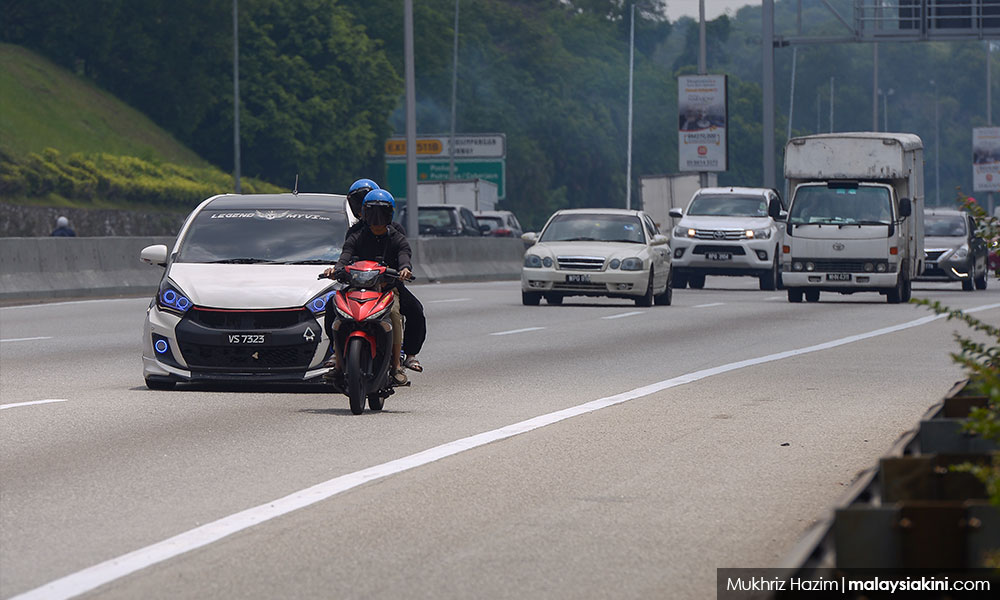
“So the bus is no longer the cheapest. The young people will be squeezing into their Myvi and their motorbikes to return to their hometowns.
“Then that will cause more accidents on the roads, and the roads will also become more jammed, as it takes many more hours on the road,” the source added. - Mkini

No comments:
Post a Comment
Note: Only a member of this blog may post a comment.