


Doubts have been raised over whether Malaysians will ever witness the declassification of official documents related to the fatal riots on May 13, 1969.
Retired academician Sharifah Munirah Alatas stressed that the lifting of secrecy restrictions placed on the documents through the Official Secrets Act 1972 (OSA) would shed light on the true death toll and the identities of the victims.
“From foreign correspondence, we do have an idea (of) who the majority of the deceased were. So, we can corroborate that kind of evidence.
“Of course, we will only know for sure once the OSA (restriction) is lifted off the government documents… I don’t know if we’re ever going to live to see that happen,” she said in the Malaysiakini podcast “Straight Talk” hosted by former envoy Dennis Ignatius.
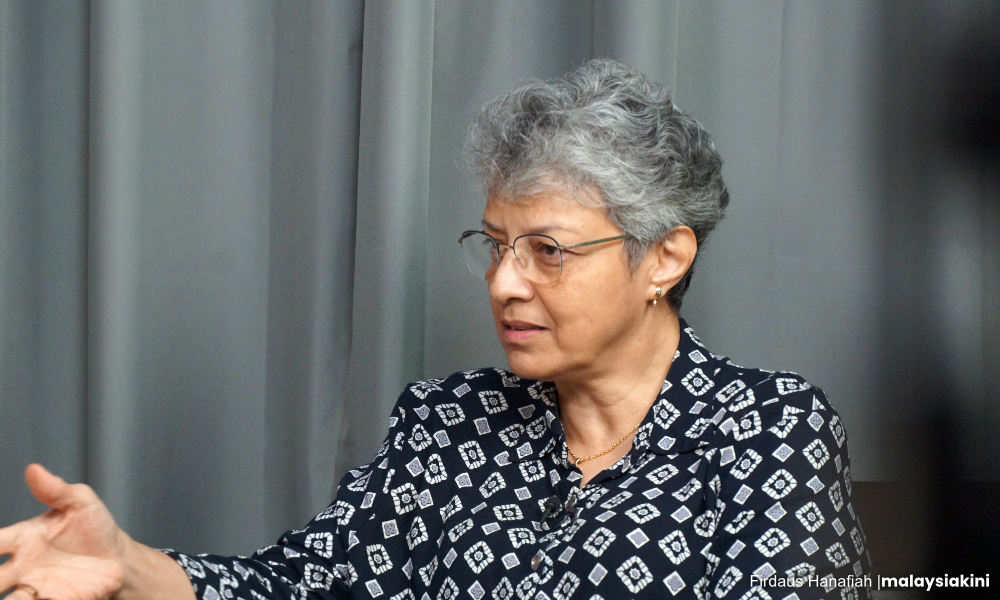
Sharifah Munirah, a former Universiti Kebangsaan Malaysia assistant professor of strategic studies and international relations, added that truth and reconciliation with the tragedy can only be guaranteed for victims’ families through the release of such records.
Keeping secrets unislamic
She highlighted that as a nation “supposedly based on Islamic values”, turning a blind eye to the May 13 incident or burying it in secrecy would be unjust.
“It is the Islamic, ethical, (and) moral thing to do to recognise what has happened. We owe it to the survivors and the victims’ families to create a memorial and recognise it every year, to respect them for the lives that they’ve lost.
“By silencing (or) ignoring what has happened, it is counterproductive (and) the wrong thing to do. It is not the religious way to operate,” she said.
Although the National Operations Council (NOC) - formed on May 15, 1969, as an emergency administrative body - published a white paper on the riots in October that year, this version of events has faced persistent cynicism.
Disparities in the number of people who died have often been a source of contention. The NOC report said 196 people died. However, British diplomats at the time estimated it to be around 800.
According to the council, the riots were a spontaneous incident triggered by overt and insensitive celebrations by opposition parties after winning about half the seats in the Selangor state assembly in the 1969 polls.
However, historians and scholars have argued that the riot was a veil for a coup d’état against the then-prime minister Tunku Abdul Rahman, favouring his deputy, Abdul Razak Hussein. Razak’s ascent to premiership in 1970 was seen as evidence of that.
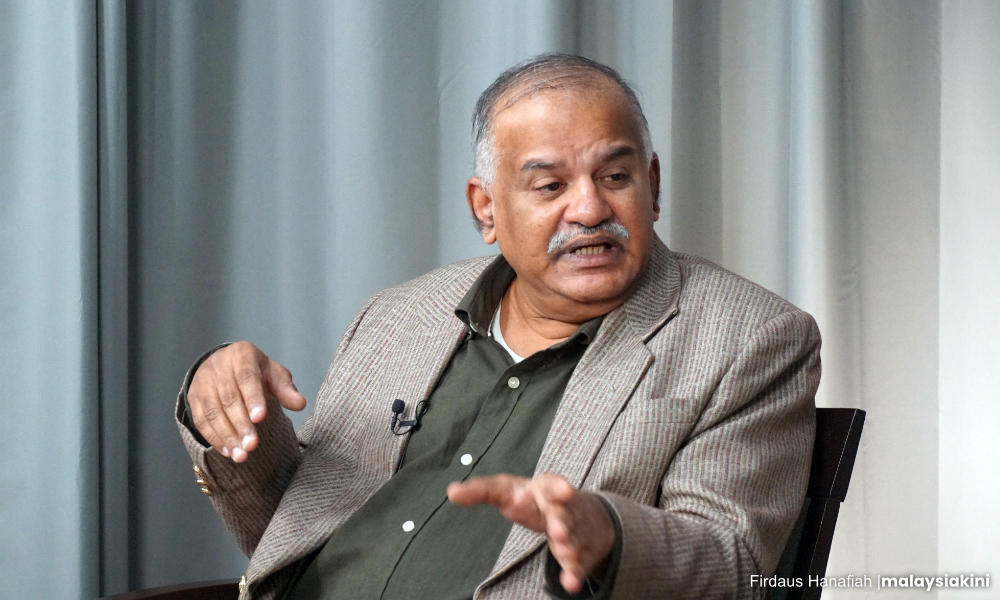
Commenting on blogger Syed Akbar Ali questioning whether the government at that time were trying to “leverage” the riots or if it was already pre-planned, Sharifah Munirah reiterated that only the declassification of related documents under the OSA could provide answers.
Umno could be the reason
When asked for his opinions on why successive governments since then, including the Madani administration, appear to be reluctant to do so, former DAP MP and human rights activist Kua Kia Soong posited that Umno’s presence could be playing a role in the matter.
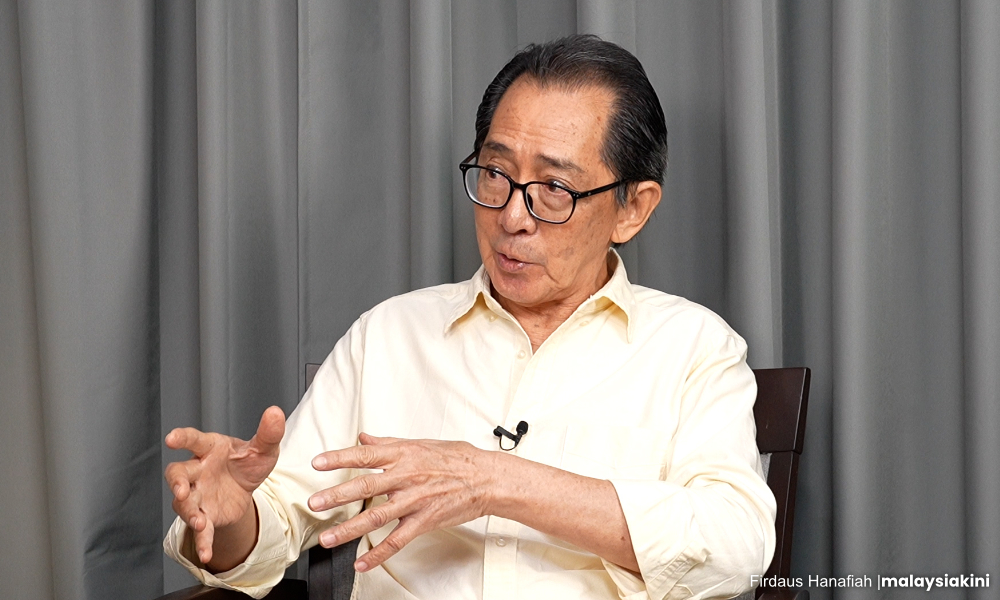
“This so-called government has still got Umno in it. The people who (were) part of the whole establishment are still there, and some of the new reformists were former Umno leaders as well,” he said.
“They may be reluctant to do that (publicise official documents pertaining to the May 13 incident).
“In most countries, (after) 30 years is when official secrets are declassified. In this country, there’s no reason why we can’t do that after 55 years,” he added.
Kua’s book “May 13: Declassified Documents on the Malaysian Riots of 1969” was confiscated by the Internal Security Ministry in May 2007.
The publication, which was produced following a three-month research at the Public Records Office in London to study records and declassified documents on the communal riots, faced calls to be banned by three senators in the Dewan Negara.
- Mkini

No comments:
Post a Comment
Note: Only a member of this blog may post a comment.