


If bicycles are accepted on roads, why are e-scooters condemned?
Malaysia has a strange love-hate relationship with our smaller two-wheel electric vehicles (2WEVs).
Some people say e-scooters are dangerous. Guess what? Motorbikes, cars and lorries also cause deadly accidents.
In a movie-like scene, an MPV recently crashed into a restaurant in Sitiawan, killing one lady.
So, should all those vehicles be banned? Obviously, it's not the type of vehicle that's guilty, it's the attitude of the user.
Electric vehicles (EVs) are all the rage now. However, people usually think of RM100,000 BYD cars. They forget about e-scooters that cost just RM1,000 and also electric bicycles and motorcycles.
Micro mobility
Two-wheelers solve the biggest problem of Malaysian public transport - the first mile and last mile connections.
E-scooter users sweat less than cyclists. Their portability is another advantage over bicycles - people can ride them, and then fold them up to take aboard the bus or train, to be used again after getting down.
Without them, people would have to pay for four Grab car rides to get from their homes to LRT stations, then to the final destination in town and back!
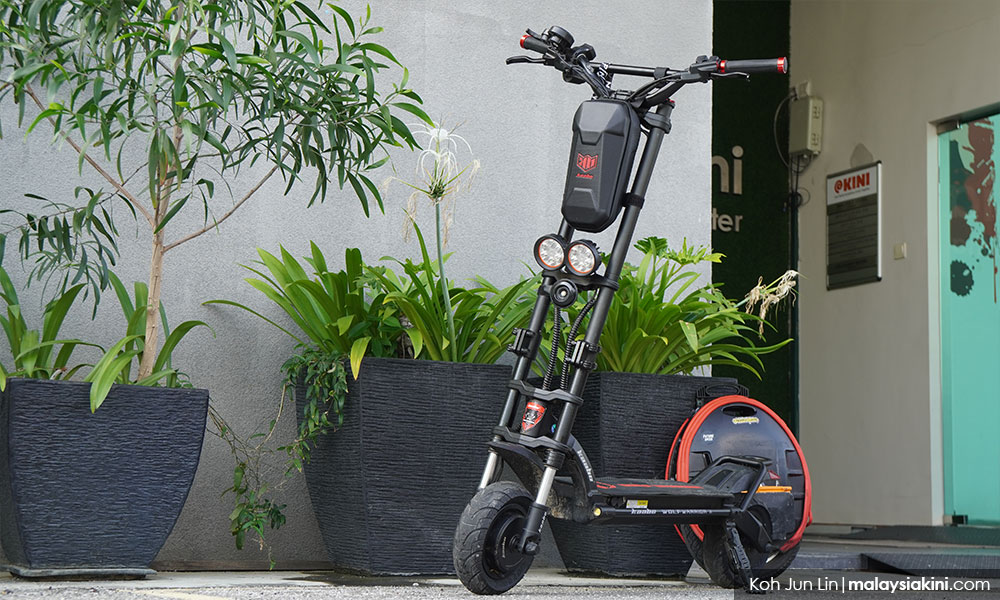
Apart from use with public transport, e-scooters are also great for short-distance commuting, say from homes to the nearby restaurants.
E-scooters provide what's called micro mobility. One article summed it up well: “The energy transition of motorbikes from carbon-intensive, fossil fuel-powered, dangerous (high power, high speed) systems to low carbon, electric-powered, safer (low power, low speed) systems is undoubtedly in line with “green mobility” efforts.
‘Official love’
Malaysia’s Budget 2024 and 2025 offered discounts of RM2,400 to encourage people to buy electric motorcycles.
It's not clear if this includes foldable e-scooters. At what size, point or shape is an e-scooter regarded as an electric motorcycle?
Penang Monthly magazine, published by a think tank funded by the state government, had an article in April explaining why smaller e-scooters are the best option for the island's cramped and congested roads with limited parking.
It also pointed out that our National Energy Transition Roadmap (NETR) aims to increase the share of e-scooters (including electric motorcycles) on the road to 80 percent by 2050.
Malaysia also has a Low Carbon Mobility Blueprint (LCMB) 2021-2030. So it's clear there is official “love” for them but there's also “hate” for smaller e-scooters.
Class discrimination?
In April 2022, then-transport minister Wee Ka Siong said e-scooters were banned on our roads as they could endanger other road users. DAP lawmakers criticised the ban and then MCA hit back.
Another DAP officer also said that Wee’s ban would drive e-scooters onto the sidewalks, leading to more accidents with pedestrians.
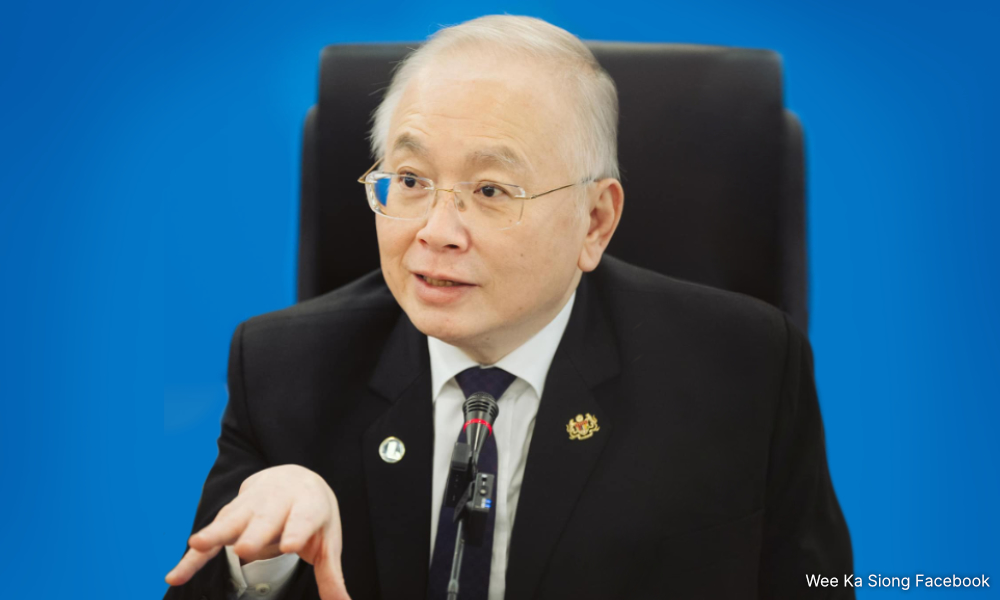
So, are e-scooters welcome or not? Or are only larger electric motorcycles being promoted?
On May 4, the Road Transport Department reiterated that e-scooters are banned on roads. This was after a video of a larger electric motorcycle on a Malacca road went viral.
This is confusing. Isn't the government promoting electric motorcycles? Does the left hand of the government know what the right hand is doing? Clarity is needed.
When I cycle, I try to ride on sidewalks too, but they are often poorly maintained or have obstacles. So, no wonder e-scooters (and bicycles) have to use the road.
They help reduce traffic jams, car drivers should welcome them. But instead, many treat them as pests.
We middle-class drivers often get irritated with small things, like migrant workers riding bicycles on the road “too slowly”.
Can we learn to share the roads? Have a bit of patience? Or is there class discrimination at work here?
Proper safety rules
However, I don't deny that some e-scooter riders are harebrained, just like some car drivers and motorcyclists.
The solution is not taking the easy, lazy way out by simply banning them, but doing the hard work of researching suitable safety rules.
E-scooters are relatively new and the rules for them are still evolving. Imagine when cars first appeared 120 years ago - horse carriages and bicycles had to adapt. Should cars have been banned after causing accidents back then?
Transport Minister Anthony Loke showed an example, by going incognito to personally inspect the LRT system.

His officials must also “turun padang” or get down to the sweaty ground, and use e-scooters themselves to get around and talk to other users too and not decide e-scooter rules from inside an air-conditioned meeting room in Putrajaya.
Learn from overseas
We can also learn from overseas regulations - which vary in different countries.
In France, e-scooters should use bicycle lanes but if none are available, they can go onto the road.
Bells, lights and reflectors are compulsory, as is reflective clothing at night.
Minimum age limits vary, from 16 in Belgium to nine in Austria. Helmets are often recommended but not compulsory in Europe.
In Japan, e-scooters can be ridden on sidewalks but are limited to walking speed (ie 6km/h) and must give way to pedestrians.
Some e-scooters like Xiaomi have a “pedestrian mode” button that sets this speed limit.
China was the land of bicycles in the 1970s, now it's the land of e-scooters and electric motorcycles. The speed limit is 25km/h, with extensive CCTVs deterring rule breakers.
Some rules have to be adapted for our country. For example, the French reflective vests are too warm for our climate. Reflective arm or ankle bands plus helmet strips are probably more practical.
Since Malaysians tend to be more foolhardy, I would suggest we adopt stricter standards from around the world.
This would include compulsory riding courses and licenses, like in Korea. Third-party insurance should be made a requirement. In other words, e-scooters should be treated like motorbikes.
Bicycle, e-scooter lanes
Singapore bans e-scooters from roads because they have over 600km of bicycle cum e-scooter lanes on their tiny island, with a target of 1,300km by 2030.
We don't have such a luxury. Over RM50 billion was spent on MRT1 and MRT2. Oh, if only one percent of that was spent on bicycle and e-scooter lanes leading to the stations!
Sadly, Malaysian society worships cars and doesn't think much about bike lanes or pedestrian paths. Perhaps, they prefer toll highways instead.
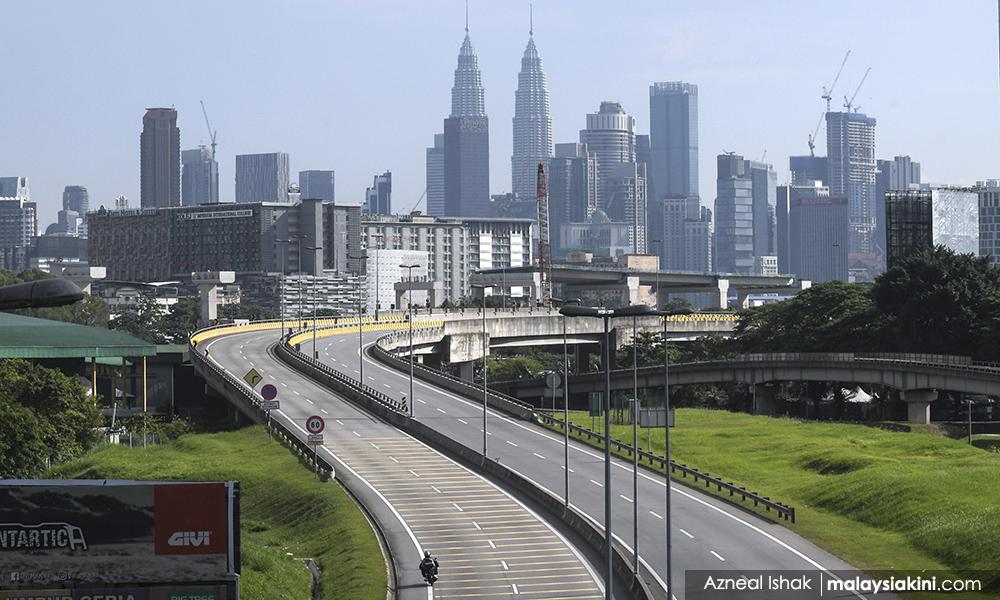
One suggestion is to turn back lanes and smaller roads into motorcycle cum e-scooter lanes, as done in Jogjakarta’s many “jalur sepeda”.
In fact, Indonesia is even building a highway just for two-wheelers from Jogja to Solo!
In conclusion, please don't look at e-scooters as “the enemy”.
Look at them as “allies” to solve traffic jams and pollution. They will also help revitalise our old heritage towns where parking is limited.
We have to rethink our transport. All options must be considered, not just the convenience of the almighty automobile.
Remember the future is electric - not just expensive electric cars but cheap e-scooters too.
And that's called transport democracy. - Mkini
ANDREW SIA is a veteran journalist who likes teh tarik khau kurang manis. You are welcome to give him ideas to brew at tehtarik@gmail.com.
The views expressed here are those of the author/contributor and do not necessarily represent the views of MMKtT.

No comments:
Post a Comment
Note: Only a member of this blog may post a comment.