


On our highways, the roar of lorries and buses is a familiar soundtrack. I live in Mont Kiara, right beside the Duta Toll highway, and the sound of heavy vehicles rushing past is part of daily life. Day and night, trailers thunder by, carrying goods that keep the economy moving.
But along with every journey comes the silent risk that no family should ever have to face. When tonnes of steel rush down the fast lane at reckless speeds, the line between life and death becomes dangerously thin.
Every time tragedy strikes, headlines focus on the driver. Was he speeding? Was he sober? Was he an ex-convict? Did the brakes fail? These questions matter, but they miss the heart of the issue.
Behind every driver is a company that owns the vehicle, signs the cheques, and decides how much money is worth more than human safety.
For many companies, maintenance is a cost to be trimmed, not a duty to be fulfilled. Tyres are used until they burst. Brakes are checked only when they fail.
Vehicles are pushed beyond safe limits, and drivers are often overworked. As long as the goods are delivered and the profits banked, safety is treated as optional.
Anyone who drives regularly on our expressways sees it: lorries tailgating in the fast lane, buses racing each other as if competing on a track, overloaded trucks swaying dangerously with every turn.
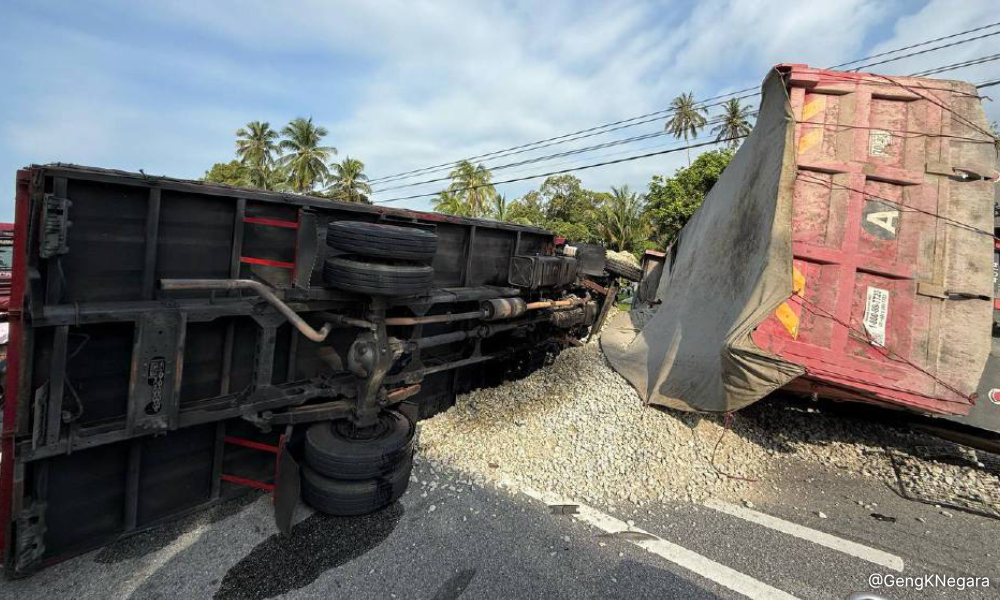
It is an everyday sight, but it should never be normal. Each reckless vehicle is a moving time bomb, and the innocent motorists around them are the ones most at risk.
And when tragedy happens, families pay the price. A mother who loses her baby in a sudden crash. A wife whose husband’s life is stolen in an instant by a speeding trailer. Children forced to grow up without parents, all because one trip turned into tragedy.
Their grief is permanent, while those responsible often hide behind excuses of “technical failure” or “human error.”
Scrutinise enforcement
The recent tragedy at the Bukit Kajang toll plaza proves the point.
A lorry ploughed into several vehicles, killing a one-year-old baby and injuring others.
The driver later admitted jumping out, claiming brake failure. Whether or not that explanation holds, the real concern is maintenance and oversight.
Was the vehicle truly roadworthy? Was it inspected properly? These are the questions that matter, because when heavy machines are not kept safe, innocent lives are the ones sacrificed.
This is where enforcement must be scrutinised. The Road Transport Department and Puspakom are supposed to be the gatekeepers of road safety, yet overloaded trucks and poorly maintained buses continue to move freely.
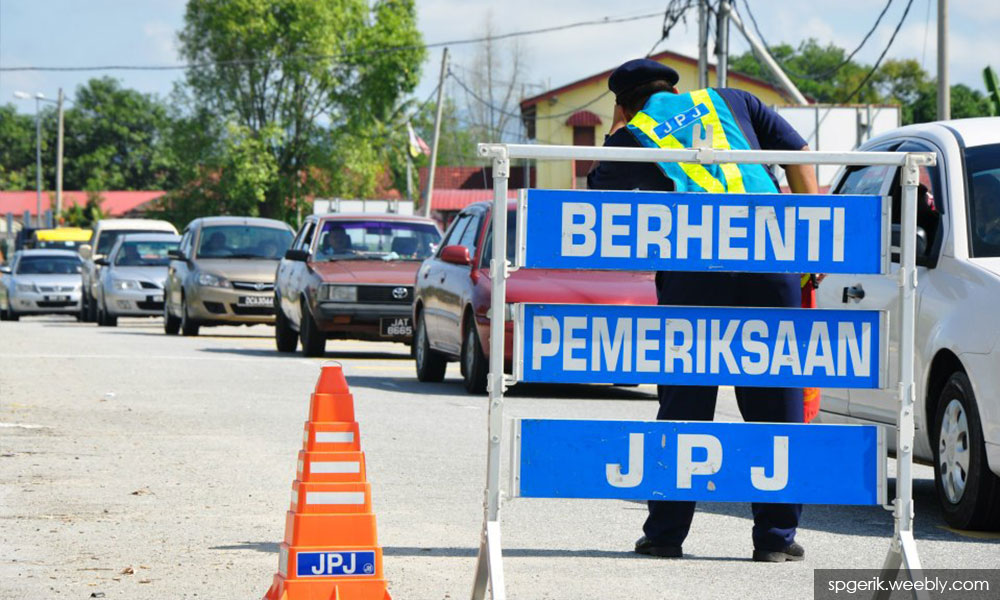
Every time a bribe is taken, or a faulty vehicle is waved through inspection, the message is clear: profit matters more than life.
And so, the cycle repeats. A life is lost, blame is shuffled, promises are made and then forgotten. Until the next accident, at the next toll plaza, involving another innocent victim who never stood a chance.
If this nation is serious about valuing life, the burden cannot fall only on drivers. Companies must face real consequences when their negligence kills.
Licences should be revoked, assets seized, and directors charged. Because when profit is earned at the expense of human lives, that is not business it is blood money.
Our roads should not be paths of fear. They should be safe routes for families, workers, and children.
But until safety is treated as sacred, every journey is a gamble. And every day, somewhere on our streets, another family risks becoming the next headline. - Mkini
MAHATHIR MOHD RAIS is a former Federal Territories Bersatu and Perikatan Nasional secretary.
The views expressed here are those of the author/contributor and do not necessarily represent the views of MMKtT.

No comments:
Post a Comment
Note: Only a member of this blog may post a comment.