


On Sept 16, a statement called for MA63+ was made by four NGOs and a think tank, namely Projek Sama, Bersih, Ideas, Tindak and Rose.
What MA63+ is
MA63+ means decentralisation more than the Malaysia Agreement 1963 (MA63). In other words, MA63 is the floor, not the ceiling of what we can achieve.
The core idea of MA63+ consists of three parts:
1. A national agenda of decentralisation, with more decentralisation involving the 1+2+11 stakeholders (the federal government, Sarawak and Sabah, the 11 peninsular states);
2. Formal recognition of Malaysia as an asymmetrical federation, with Sarawak and Sabah as special regions;
3. An inter-governmental committee 2.0 (IGC 2.0) in the 1+2+11 format to negotiate on necessary Constitutional, legal, and policy amendments.
What MA63 lacks
Why should we talk about MA63+ when negotiations on MA63 are still incomplete?
Because MA63 was a rushed work in the second decade of the Cold War, complicated by the competing demands of decolonisation, geopolitics, and communalism.
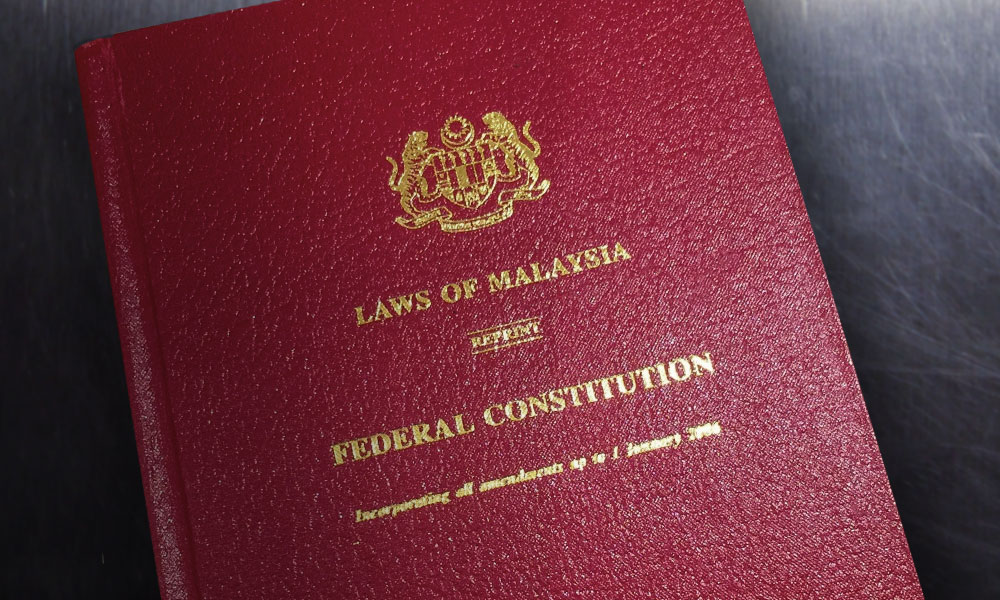
The proof? Malaysia was supposed to negotiate a new Federal Constitution, but we eventually adopted Malaya’s existing Constitution with only amendments for special provisions for Sabah and Sarawak, such as Lists IIA and IIB as an appendix to List II (State List) and List III (Concurrent List) for the Malayan states.
What does MA63 lack besides maintaining the original centralised federal structure in Malaya that goes on to be hostile to autonomy in Sabah and Sarawak? Let me just highlight two.
First, Sabah and Sarawak are not recognised as regions because Malaysia does not formally recognise itself as an asymmetric federation.
Sabah and Sarawak can call themselves regions, but in the Federal Constitution, they are just states.
They are just the “states of Borneo” in Article 1(2) of the Federal Constitution, before the 1976 amendment that abolished the distinct category and after the 2021 amendment that restored it.
Second, Sarawak and Sabah were not given the powers in education, healthcare (after 1970 for Sabah) as Singapore were.
Singapore was given these powers as compensation for its parliamentary under-representation, desired by Malaya. Singapore was given only 15 parliamentary seats, fewer than Sarawak’s 24 and Sabah’s 16, even though Singapore had more population than both the Borneo states combined.
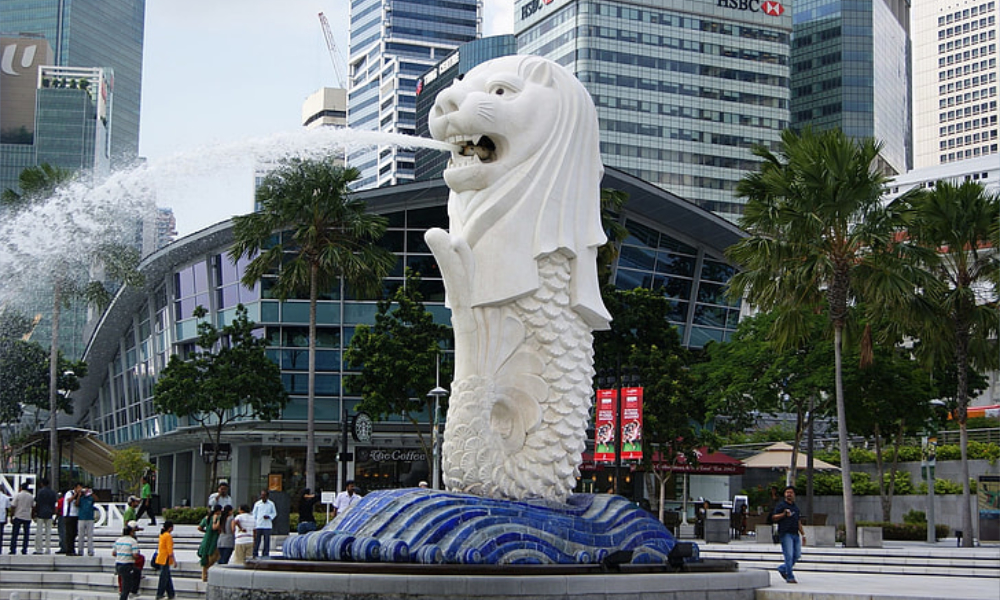
In contrast, Sarawak and Sabah were not given these powers for the parliamentary over-representation at 24 and 16 seats respectively, or combined at 25 percent.
While Sabah and Sarawak have their own labour laws, and Sarawak is now seeking control over education and healthcare through administrative concessions and ministerial discretion, these are not guaranteed in MA63 and constitutionally.
This means that a hostile federal government can withdraw these concessions or use them to twist the arms of Sarawak and Sabah.
While many would argue that MA63 needs to be interpreted by reading together important documents such as the 1962 reports of the Cobbold Commission and the IGC, one cannot over-stress their significance as if these documents can substitute a constitutional provision in the Ninth Schedule.
What MA63+ is not
First, MA63+ does not mean abandoning MA63. Plus means more. When you see ++ on a price tag, it never means less.
Second, MA63+ is not to put more roadblocks to the attainment of MA63.
Quite the opposite. MA63+ is about building a 2+11 united front for decentralisation across the South China Sea, so that Sarawak and Sabah can get more of what they want faster, and for the peninsular states to benefit from decentralisation.
Should Sarawak, Sabah trust Malaya?
Perhaps the lingering question in the minds of many Sarawakians and Sabahans with the advocacy of MA63+ is: should Borneo trust Malaya?
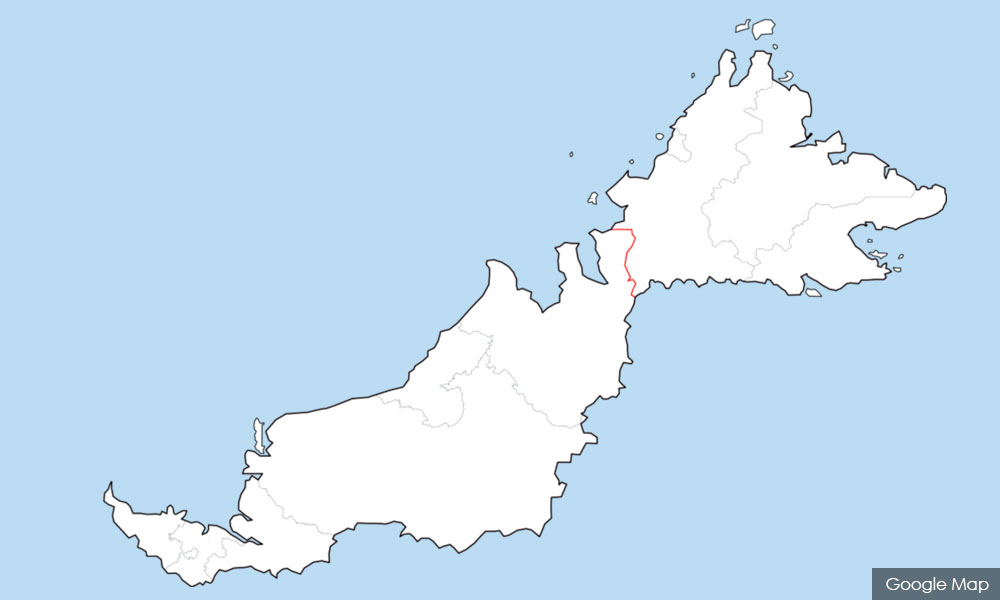
First, can Borneo trust the Malayan states as partners in decentralisation? Second, can they trust the five advocates of MA63+, as the Sarawak-based Rose is the only Borneo-based group, while the rest are national in both membership and orientation.
Given the marginalisation and manipulations experienced by Sarawak and Sabah in the past 62 years, it’s perfectly understandable that some see Malaya and Borneo as antagonists with a “zero-sum game” outcome.
It’s understandable that some can’t help but see Malaya as a monolithic bloc, that they can’t see the peninsular states as also victims of over-centralisation, or accept that some ideas are genuinely for Sarawak and Sabah’s best interest, even if they are seldom heard in Borneo.
Should Sarawak, Sabah wait longer?
The advocacy of MA63+ can be unnerving for at least two reasons.
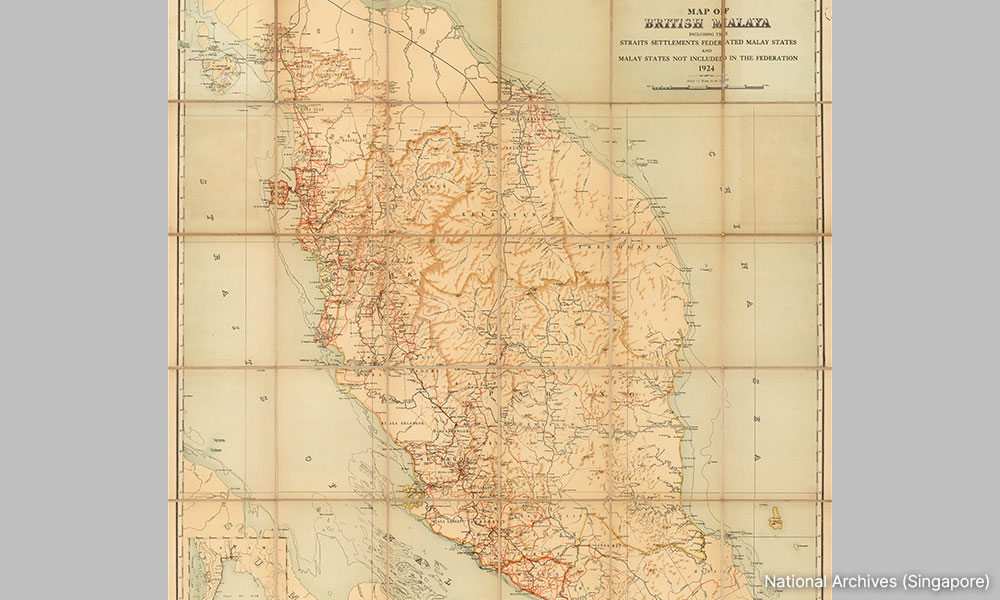
First, it calls for recognition of the reality that Sarawak and Sabah cannot negotiate with Putrajaya as the imagined third partner because the Federation of Malaya had ceased to exist after Sept 16, 1963.
The alternative is formal recognition of Sabah and Sarawak as special regions in an asymmetric federation.
Second, it is a call for Borneo leadership of the peninsular states.
This op-ed is not to convince people to change their entrenched beliefs or positions.
It’s a call for others who are open to new ideas and more nuanced realities to consider these two questions:
1. Should Sarawak and Sabah fence themselves in with MA63 and not want more (including their constitutional recognition as regions) until MA63 is fully attained?
2. Should they bet that peninsular politics would always - at least after GE16 - stay fragmented or accommodative of Borneo?
In short, should Sarawak and Sabah wait longer? - Mkini
WONG CHIN HUAT is a political scientist at Sunway University and a member of Project Stability and Accountability for Malaysia (Projek Sama).
The views expressed here are those of the author/contributor and do not necessarily represent the views of MMKtT.

No comments:
Post a Comment
Note: Only a member of this blog may post a comment.