


THERE’S a reason the Romans imagined Janus – the god of January – with two faces. One looks back, the other forward.
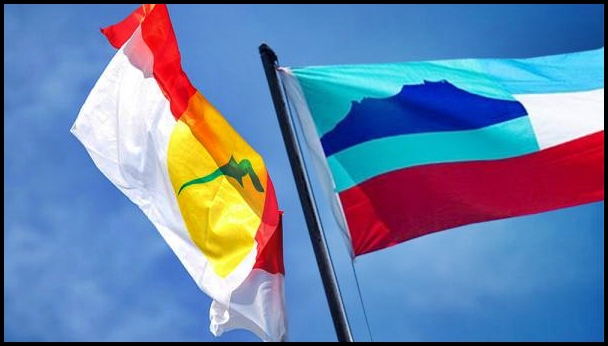
He sees both past and future but never the truth straight on. In Malaysia today, UMNO stands much the same – a political party of double faces gazing in opposite directions across the South China Sea.
In Semenanjung (Peninsular Malaysia), UMNO’s face is hard, defiant and loud – the face of its Youth chief Datuk Dr Mihamad Akmal Saleh and his politics of intimidation.
It shouts about Malay supremacy, stirs emotion and plays the zero-sum game of communal dominance. That brand of politics feeds off division; it thrives on telling one community that the other is getting too much. It’s UMNO as cultural theatre – loud enough to drown nuance.

But the UMNO in Sabah – or what remains of it – wears a different mask. In Sabah, UMNO cannot survive by exclusion.
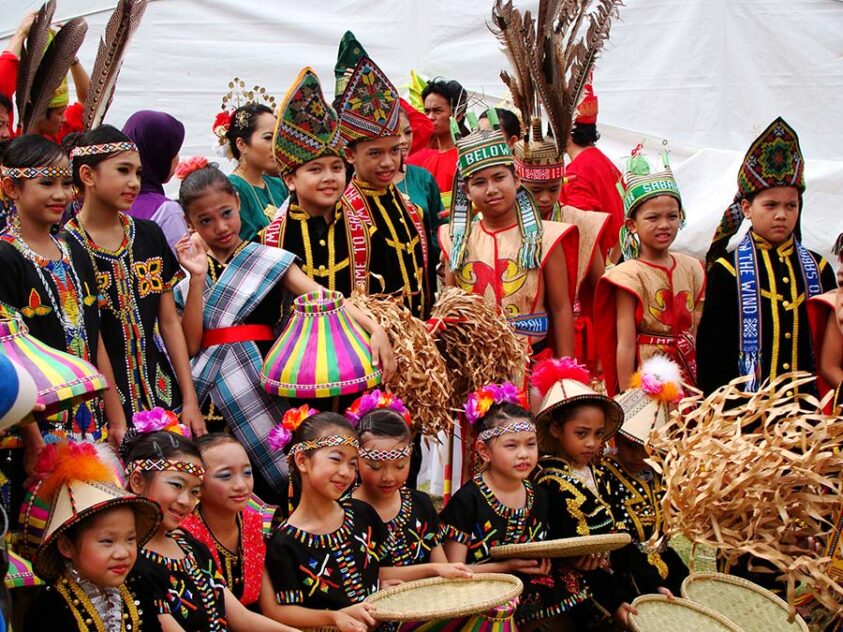
It cannot shout down neighbours because here, the neighbours are family: Kadazan, Dusun, Murut, Chinese, Bajau, Bugis, Suluk – a human mosaic built on co-existence – not supremacy.
For all its chaos, Sabah’s politics remains Malaysia’s last multi-racial ecosystem. It’s noisy but shared. And that’s the key difference.
Can UMNO, Bersatu fit into Sabah’s state polls?
If UMNO and Bersatu hope to enter Sabah’s next state election, they must ask: which face will they bring? The peninsula’s confrontational, racialised politics cannot be transplanted here without poisoning the soil.
Sabah remembers what unity feels like. The Barisan Nasional (BN) era worked here only when local leadership – the James Wongs, the Peter Mojuntins, the Tun Stephens, the Pairin Kitingans – tempered party ideology with the Sabah spirit of inclusion.
When power came from Kuala Lumpur (KL) rather than Kota Kinabalu (KK), it started to unravel.
Bersatu under Tan Sri Muhyiddin Yassin mirrors UMNO’s two-headed nature. In the peninsula, it is the refuge of ex-UMNO nationalists; in Sabah, it pretends to be “localised.” But everyone knows the script comes from Putrajaya – not Penampang.
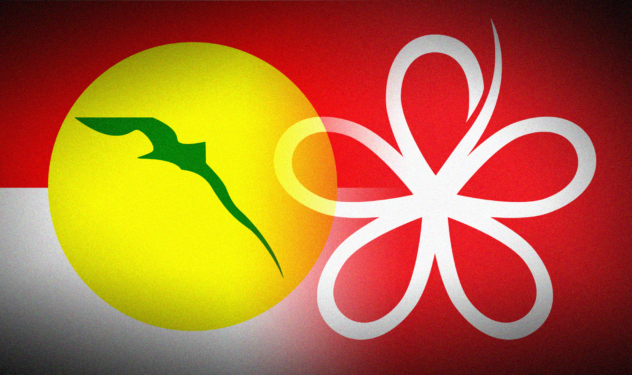
If Sabah voters want their political autonomy intact, they must ask both UMNO and Bersatu: are you here to represent Sabah or to replicate Peninsular division under a new banner?
Sabah’s true strength: Multi-racialism
Sabah’s survival – politically, socially, spiritually – depends on its multi-racial framework. That’s not a slogan.
It’s the only working system that keeps peace between Christians and Muslims; between highland and coastal communities; between Chinese entrepreneurs and indigenous smallholders.
Sabah’s Chinese community especially must remain politically visible – not just economically vital.
The Peninsula’s Chinese population became an economic powerhouse but lost much of its political leverage. Don’t let that happen here. Power that is not defended is power surrendered.
The KDM (Kadazan-Dusun-Murut) people too must resist being split into factional pieces by Peninsular party games.
When local leaders fight each other over Federal favour, Sabah loses its shield. When they stand together, they shape the narrative of a Malaysian Borneo with dignity.
Lessons from the Peninsula
Peninsular Malaysia shows us what happens when race becomes the organising principle of politics:
The Chinese are successful but politically cornered. The Indians are educated and industrious but relegated to the margins of decision-making.
The Malays themselves are trapped between genuine aspiration and the manipulation of race-based fear.
Sabah should never replicate that model. Here, equality isn’t a theory – it’s geography. We share the same hills, rivers, and ports; we depend on each other more directly than any peninsula state does.
This is the heart of Sabah’s difference: not a slogan of unity but an instinct for survival through cooperation.
The upcoming Sabah state election will test whether Sabahans still believe in this multi-racial framework – or whether the imported engines of Peninsular politics will erode it.
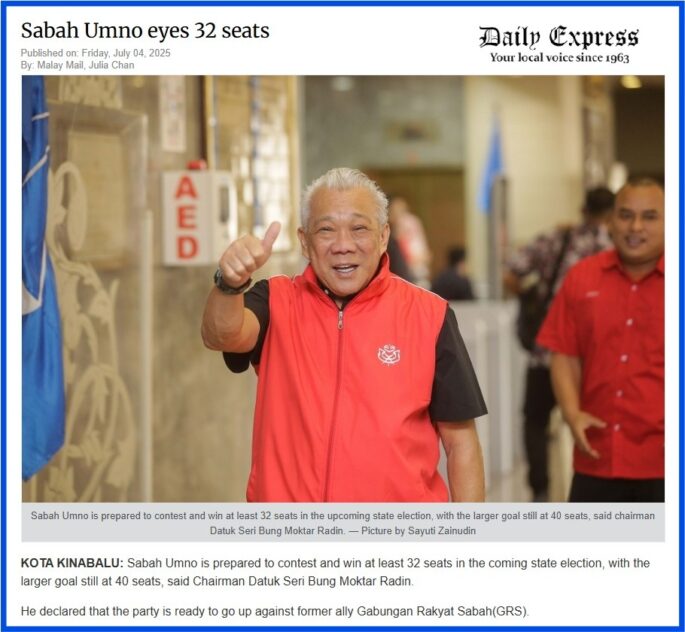
Sabahans must defend their political and constitutional rights. These aren’t privileges; they are the instruments of protection against domination by demographic arithmetic from across the sea.
Sabah’s constitution and Malaysia Agreement 1963 were not handshakes; they were safeguards.
Every Sabahan – Chinese, KDM, Bajau, Suluk, Malay – has a duty to guard that legacy. Because if Sabah surrenders its political independence, it will wake up one day with the same fate as the Peninsula: many races but one dominant voice deciding for all.
Janus may have two faces but Sabah should show only one – the face of unity, pluralism and self-respect.
Marcel Jude Joseph is a Sabahan lawyer. He was an independent candidate for the Kota Kinabalu parliamentary seat in the 15th General Election (GE15) in November 2022 and that for the Api-Api state constituency during GE14 (May 2018).
The views expressed are solely of the author and do not necessarily reflect those of MMKtT.
- Focus Malaysia.

No comments:
Post a Comment
Note: Only a member of this blog may post a comment.