


My wife and I went to Malacca recently for a short getaway from the kids. You know how it is; eat chicken rice balls, walk around Jonker, maybe pop into a museum to balance out all the eating.
I went to the Malaysia Prison Museum, expecting to see old uniforms, rusty locks, maybe a cell or two. Something to make me think about how life must have been for prisoners back then.
The first thing I came across was a demonstration by a prison warden. He showed how caning is done, using a dummy made of rubber or silicone. The warden explained the rules and technique, and then gave a few strikes.
The cane landed with a dull thwack against the fake padded cushion skin. Honestly, it wasn’t too bad to watch. It was still violent in concept, but because it was just a dummy, it felt abstract - more like a lesson than a punishment.
Then we were led into a separate screening hall. That’s where things changed. On a big screen, a real prisoner appeared (with his face blurred out, of course), bent over a frame. An officer stood behind him with the cane. And then - whack!
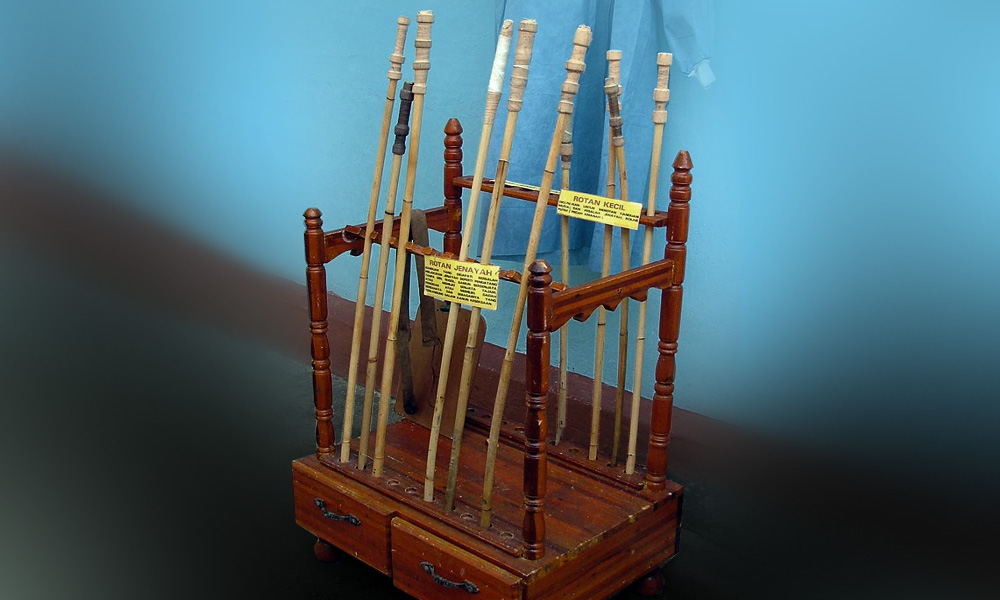
The sound cracked through the hall. The prisoner’s body jolted, and he screamed. Suddenly, it wasn’t abstract anymore. It was raw and real.
Some kids were standing nearby. A few gasped. One asked his teacher if they could go home. Another looked like he’d never sit comfortably again. One small boy even started crying and told his parents that his bum hurt, even though nothing had happened to him. He was just terrified.
And yet, many of the adults around didn’t seem fazed at all. Some parents looked indifferent, like they were just watching another exhibit in a museum. Others even found it funny. I saw a family recording their children’s reactions on their phones, laughing at how shocked the kids looked.
Maybe they thought it was harmless. But it didn’t feel right. Fear and pain shouldn’t be turned into entertainment, especially for children.
That’s when I thought, maybe the museum should at least give people a warning. A clear notice before showing something so graphic. Then parents can decide if it’s okay for their kids.
Right now, you walk in expecting history, and suddenly you’re faced with something very intense. Some people might want to see it, but others might not.
Capital, corporal punishments
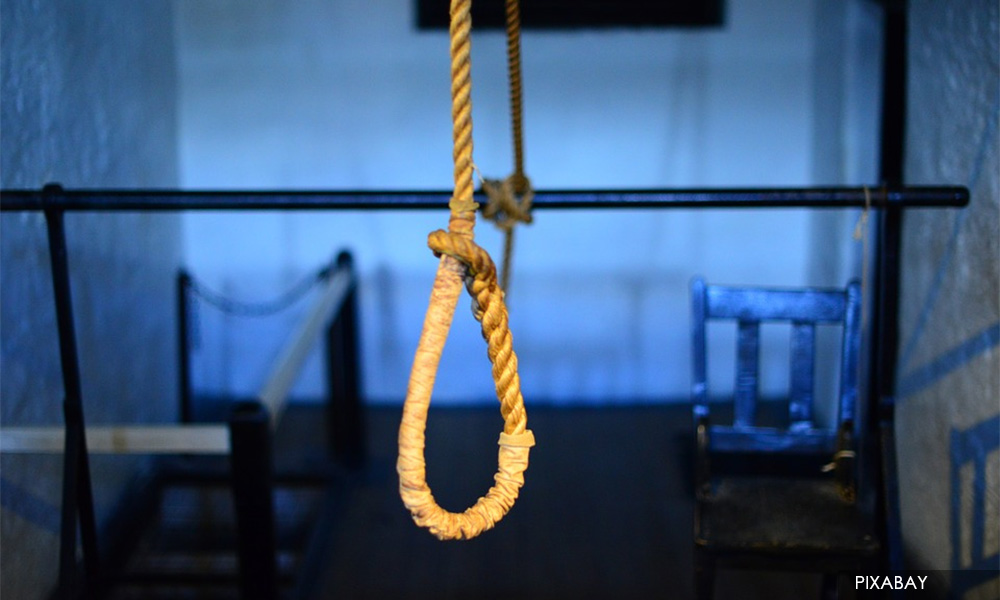
Honestly, this is something I’ve written about so many times before. For years, I’ve argued that Malaysia should abolish capital punishment and corporal punishment. We keep saying it’s supposed to deter crime. But has it?
Crime is still here. Our prisons are still crowded. And if you look around the world, countries that still practice capital punishment don’t necessarily have lower crime rates anyway. If anything, some of them have even higher crime. So really, what’s the point?
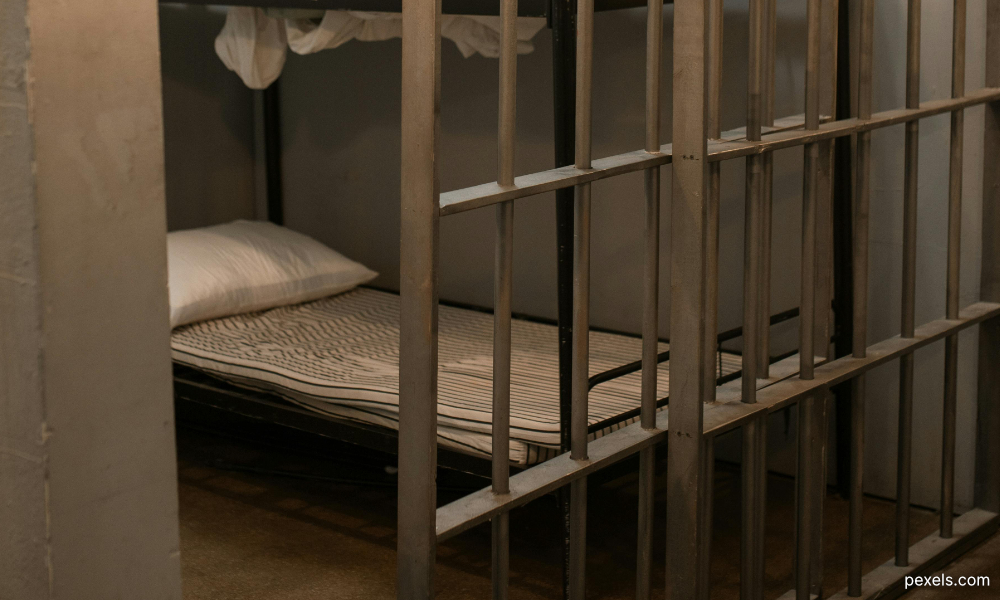
Now, to be fair, I understand that the Prison Department is not the one that makes these laws. They’re just the executors of the punishment, carrying out what has already been enacted by the system. And the officers in the museum are just doing their jobs, showing the reality of what happens.
I have worked closely with the department before, and there are many officers there who are dedicated to reform. But that’s exactly why I feel the responsibility is on all of us - as a society - to question whether these practices should even exist in the first place.
Fear doesn’t make people better. Most of the time it just leaves them more scared or angrier. When violence is displayed in a place like a museum - as if it’s just another exhibit - it risks sending the wrong message. Especially to kids. T
hey might walk away thinking that hurting someone is a normal way of dealing with problems. That’s not the lesson we should be passing on.
Other countries have studied this for years. The death penalty doesn’t stop crime. People don’t suddenly change their minds at the last minute because they’re afraid of being punished.
Crime usually comes from deeper issues - poverty, addiction, desperation, and anger. Punishments like hanging or caning don’t solve those. They just add more pain to the story.
That’s why I believe museums can play such an important role. They can open our minds, help us understand the human side of things. Imagine if the Prison Museum showed stories of prisoners who managed to rebuild their lives, or how families coped with loved ones behind bars, or even how prison reforms have changed over time. That would give visitors something meaningful to take home.
Change is possible
We often call Malaysia a modern country, and in many ways, we are. But when we’re still hanging people, caning them, and then showing videos of it to families on holiday, it doesn’t reflect the kind of progress we want to see.
If we want to be modern, we should move towards rehabilitation and second chances, not towards fear and violence.
The good thing is, change is possible. We’ve already seen debates in Parliament about reforming the death penalty, and it is no longer mandatory. There are community groups pushing for rehabilitation instead of punishment. And conversations like these - even small ones - can help shift the way we think.
So maybe it’s time to reconsider what’s being shown in the museum. If the goal is to educate, there are gentler, more effective ways to do it. The warden’s demo on the rubber dummy was already powerful enough to show the seriousness of caning. The video, however, took it to another level - one that felt more harmful than helpful.
If it remains, at the very least, it should come with a warning. Better still, replace it with something that shows the realities of prison life in a way that encourages reflection and empathy.
At the end of the day, punishment should be about helping society heal, not hurting people further. If someone commits a crime, we need to look at why it happened and help them change. That’s how we create a safer, kinder Malaysia.
So, maybe no more bum-whacking videos. Or at least, think carefully about how they’re shown. Visitors, especially children, deserve something that teaches compassion and understanding, not fear.
If you’re ever in Malacca, you’ll find the real lessons of history - and hope - not just in museums, but also in the people, the culture, and the stories around us. If all else fails, well, the chicken rice balls are always there to remind us that life can be soft, round, and comforting too. - Mkini
ZAN AZLEE is a writer, documentary filmmaker, journalist and academic. Visit fatbidin.com to view his work.
The views expressed here are those of the author/contributor and do not necessarily represent the views of MMKtT.

No comments:
Post a Comment
Note: Only a member of this blog may post a comment.