


The launch of Operation Epic Fury marks more than a sharp escalation between Washington, Tel Aviv, and Tehran.
It signals the crystallisation of a new geopolitical struggle reminiscent of the 19th-century Great Game, now transposed onto the strategic landscape of the Middle East.
For the record, the 19th-century Great Game refers to the rivalry between the British and Russian empires over certain countries in Central Asia.
Coming to recent happenings, the coordinated US-Israeli strikes on Iranian military infrastructure, nuclear facilities, and command networks represent a decisive shift from shadow warfare and proxy contests to overt state-to-state confrontation.
According to analysis published by the Atlantic Council, the operation reflects a calculated attempt to reset deterrence, degrade Iran’s escalation ladder, and reassert Western dominance in a region increasingly shaped by multipolar competition.
The consequences extend far beyond the immediate battlefield.
For decades, Iran cultivated what it termed a “forward defence” doctrine. Rather than waiting for conflict to reach its borders, Tehran embedded influence across the Levant and the Gulf through allied militias and aligned governments.
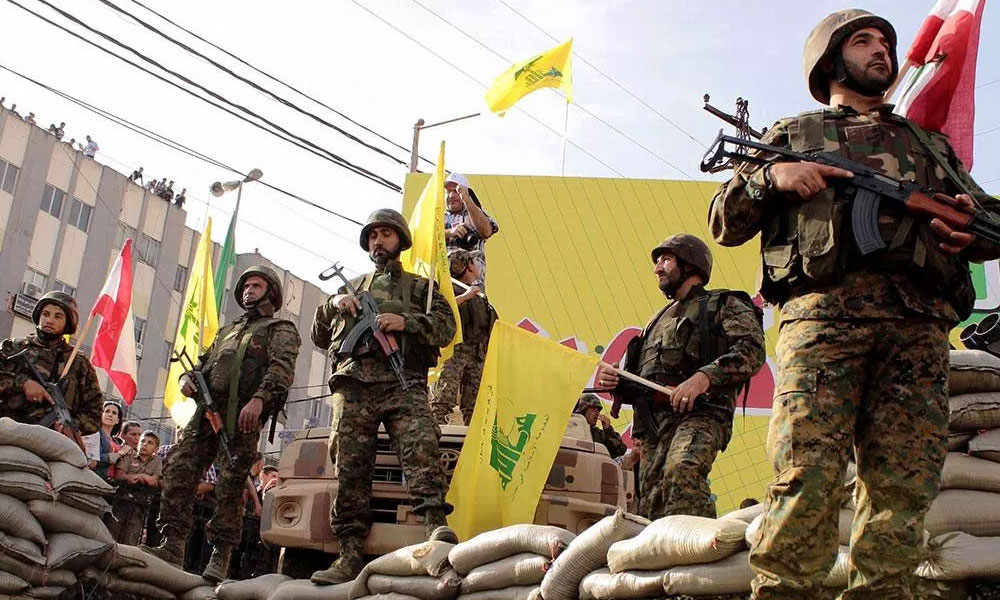
Groups such as Hamas and Hezbollah formed the outer perimeter of Iranian deterrence, while Syria, under its former leader Bashar al-Assad, served as the connective artery linking Tehran to the Mediterranean.
This network allowed Iran to impose strategic costs on adversaries without inviting direct retaliation on its homeland.
Nuclear threat?
Yet that architecture has eroded. Israeli campaigns over recent years degraded proxy command structures and weapons stockpiles, while regional realignments weakened Tehran’s logistical corridors.
Operation Epic Fury capitalises on that attrition, striking at the core rather than the periphery.
The conflict’s immediate trigger lies in long-standing tensions over Iran’s nuclear ambitions and missile capabilities. The White House framed the offensive as a necessary act to “crush the Iranian regime’s nuclear threat”, signalling that diplomacy had reached exhaustion.
Meanwhile, US Central Command confirmed extensive strikes on command-and-control sites and strategic assets.
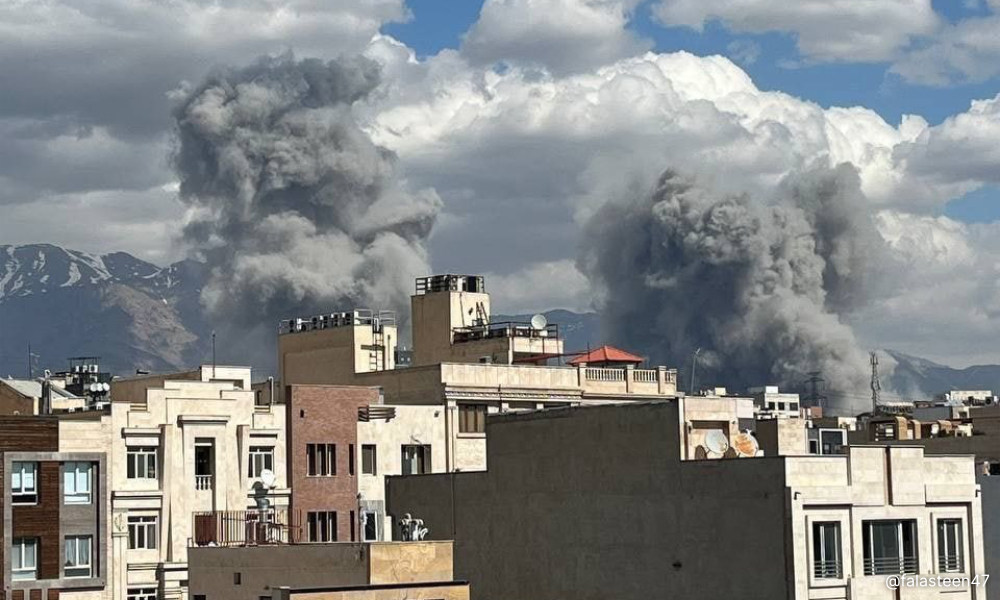
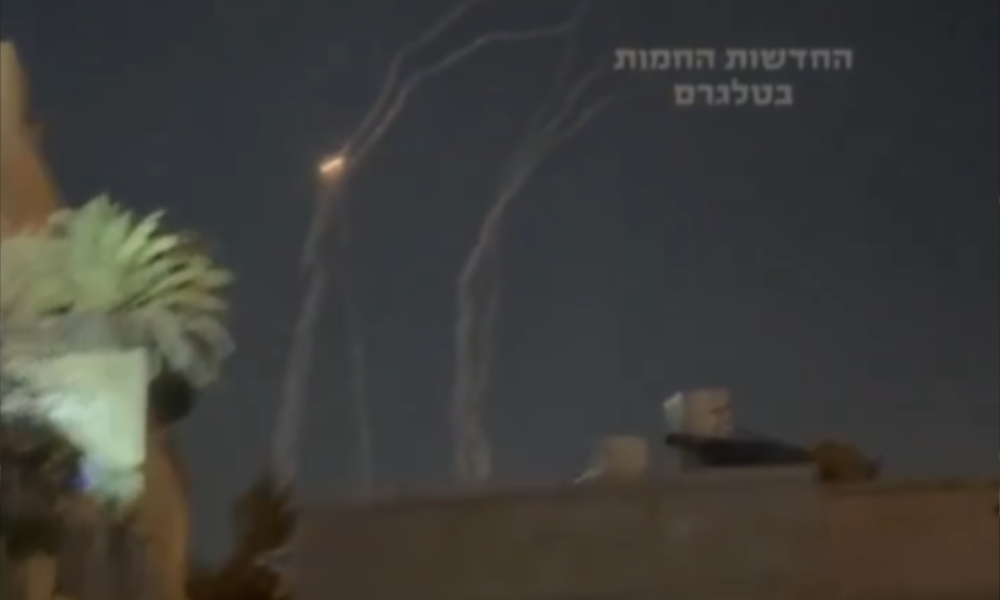
Iran’s retaliation through missile launches and asymmetric cyber operations illustrates that even under heavy bombardment, Tehran retains its capacity for disruption.
Hitherto, the strategic asymmetry is evident: Western airpower and intelligence superiority enable rapid, high-precision strikes, while Iran relies on saturation tactics and symbolic escalation.
However, this war cannot be reduced to a bilateral dispute over centrifuges and missiles. It is embedded within a broader contest over regional order. In classical Great Game fashion, multiple great powers hover at the margins, calculating gains and losses.
The oil factor
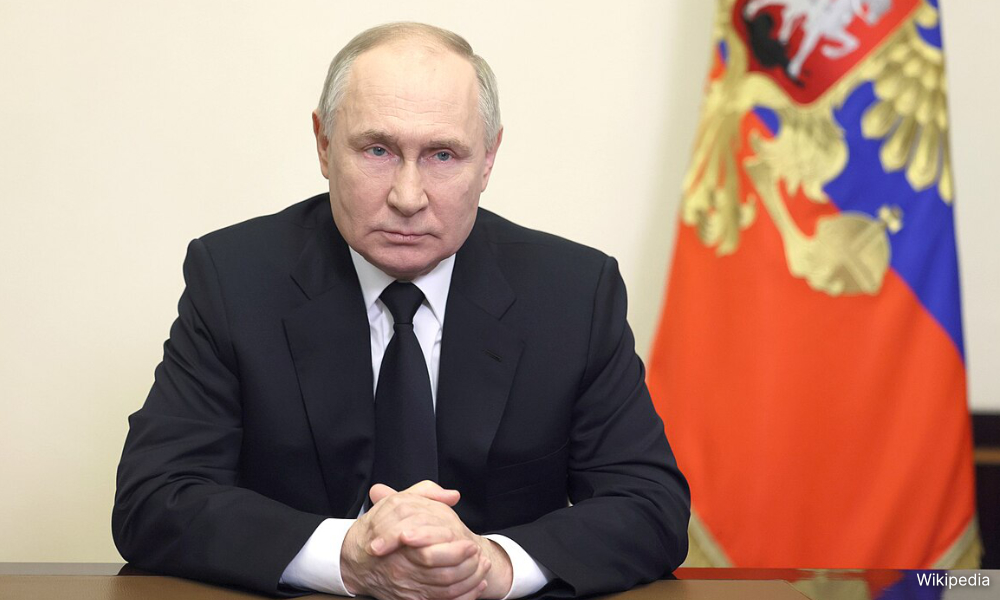
Russia views instability in the Middle East as both a risk and an opportunity: risk because it diverts attention from its own strategic theatres, opportunity because it complicates Western unity.
China, heavily dependent on Gulf energy flows, prioritises stability but resists endorsing Western interventionism that could normalise regime-change doctrines.
Neither Moscow nor Beijing appears prepared to offer Tehran a formal security umbrella, yet both benefit from a scenario in which US resources are stretched and global alignments grow more fluid.
Energy remains a silent but powerful undercurrent. Iran’s geographic position along the Strait of Hormuz gives it latent leverage over global oil markets.
Even limited disruption sends shockwaves through energy prices and insurance premiums, underscoring how tightly global prosperity is tied to Middle Eastern stability.
While oil is unlikely to be the primary motive behind Operation Epic Fury, energy security shapes every strategic calculation.
The ability to guarantee or threaten: the free flow of hydrocarbons translates directly into geopolitical influence. In this sense, the Great Game is as much about chokepoints and trade corridors as it is about missiles and militias.
A defining feature of this emerging Great Game is the diminishing utility of proxies. Iran’s reliance on non-state actors once provided plausible deniability and strategic depth.
However, as a direct confrontation unfolds, those actors face their own constraints.
Escalating fully on Tehran’s behalf risks devastating retaliation on their home territories. Their relative restraint reveals the limits of Iran’s command over a decentralised network.
Proxy warfare, once a cost-effective instrument of influence, appears less decisive in an era where adversaries are willing to strike the sponsor directly.
Simultaneously, regional states are recalibrating. Gulf monarchies that once feared Iranian expansion now confront the risks of open war on their doorstep.
Some quietly support efforts to curb Tehran’s reach; others fear the precedent of targeting a regime.
The Israeli link
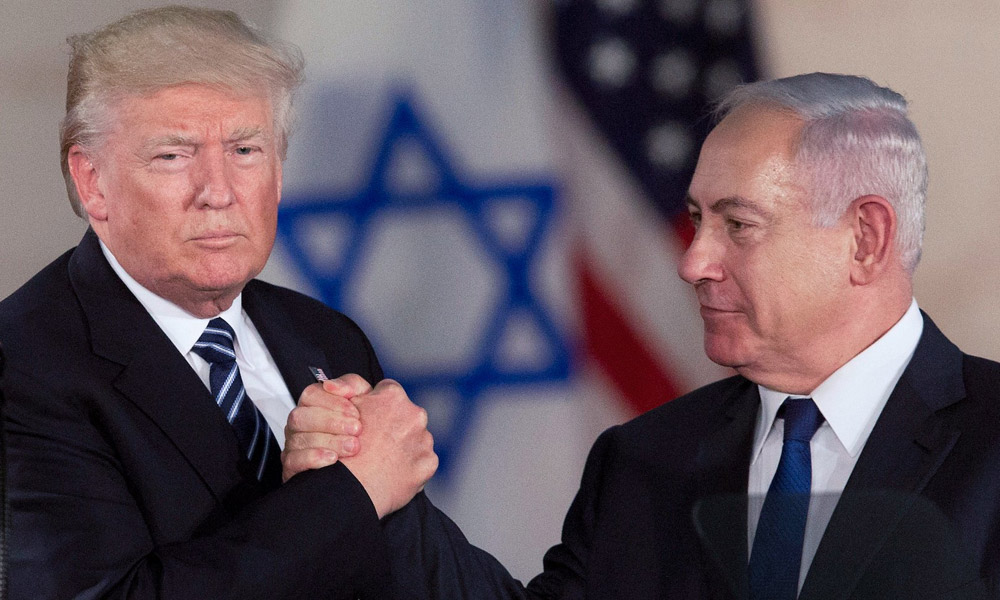
Israel perceives the campaign as existentially necessary, while the United States frames it as restoring deterrence credibility after years of incremental escalation.
The alignment between Washington and Tel Aviv demonstrates how shared threat perceptions can override tactical disagreements, reinforcing a coalition model that contrasts sharply with Iran’s fragmented partnerships.
The broader implication is systemic: the Middle East is no longer a secondary theatre but a central arena in a global reordering.
Military technology, cyber capabilities, energy infrastructure, and alliance politics intersect here in concentrated form.
What transpires in Tehran influences calculations in Eastern Europe, the Indo-Pacific, and beyond. The Great Game metaphor captures this interconnectivity: local battles are nodes within a worldwide competition for influence, norms, and strategic advantage.
However, the analogy has its limits. Unlike the imperial rivalries of the 19th century, today’s competition plays out in a deeply interconnected global system, where economic interdependence discourages direct territorial expansion.
The major powers may be strategic rivals, but they are simultaneously bound together as key trading partners.
This duality complicates escalation. A prolonged war risks not only regional devastation but global recession, fractured supply chains, and political backlash in capitals far removed from the Persian Gulf.
Thus, while military force shapes immediate outcomes, economic resilience and diplomatic agility will determine long-term advantage.
What’s next for Iran?
Operation Epic Fury, therefore, represents both culmination and commencement: the culmination of years of shadow conflict and incremental containment, and the commencement of a more explicit era of strategic rivalry.
Iran’s waning regional influence, once projected confidently through proxies and alliances, now confronts the stark reality of direct military vulnerability.
Whether Tehran adapts through internal reform, escalatory defiance, or negotiated recalibration remains uncertain. What is clear is that the Great Game has re-entered the Middle East with unmistakable intensity.
In this unfolding contest, victory will not be measured solely by territory seized or facilities destroyed. It will hinge on who shapes the post-conflict order: who secures alliances, stabilises energy flows, and commands the narrative of legitimacy.
The Middle East, long a crossroads of empires, once again stands at the centre of global transformation.
The Great Game has returned, not as a relic of history, but as the defining framework of a new strategic era. - Mkini
R PANEIR SELVAM is the principal consultant of Arunachala Research & Consultancy Sdn Bhd, a think tank specialising in strategic national and geopolitical matters.
The views expressed here are those of the author/contributor and do not necessarily represent the views of MMKtT.

No comments:
Post a Comment
Note: Only a member of this blog may post a comment.