


SCROLL through social media these days, and it’s easy to feel like the whole world has lost its mind. We see people clout-chasing by any means necessary, trading insults for likes, and turning every disagreement into a public cage fight.
It’s happening everywhere, and Malaysia is definitely not immune.
Suddenly, saying the most outrageous thing is seen as “being real”. Being loud and offensive is mistaken for being brave and the things that used to make our grandparents cringe is now content.
This whole vibe makes you wonder: what happens to a society when absolutely nothing is embarrassing anymore?
Look at our online world. It’s often brutal. Racist jokes, poking fun at someone’s religion, spreading nasty rumours—it all gets shared a million times over. Young people, who live and breathe on these platforms, are right in the middle of it.
Sometimes you’re the target of a hate mob, and sometimes you might find yourself joining in, piling on someone who’s become the internet’s villain of the day. It’s a cycle that tears people down and rips our communities apart.
In the middle of all this noise, there’s this old-fashioned idea we might need to dust off: shame.
Now, before you scroll away, hear me out. We’re not talking about the nasty kind of shame used to bully or control people. That’s toxic.
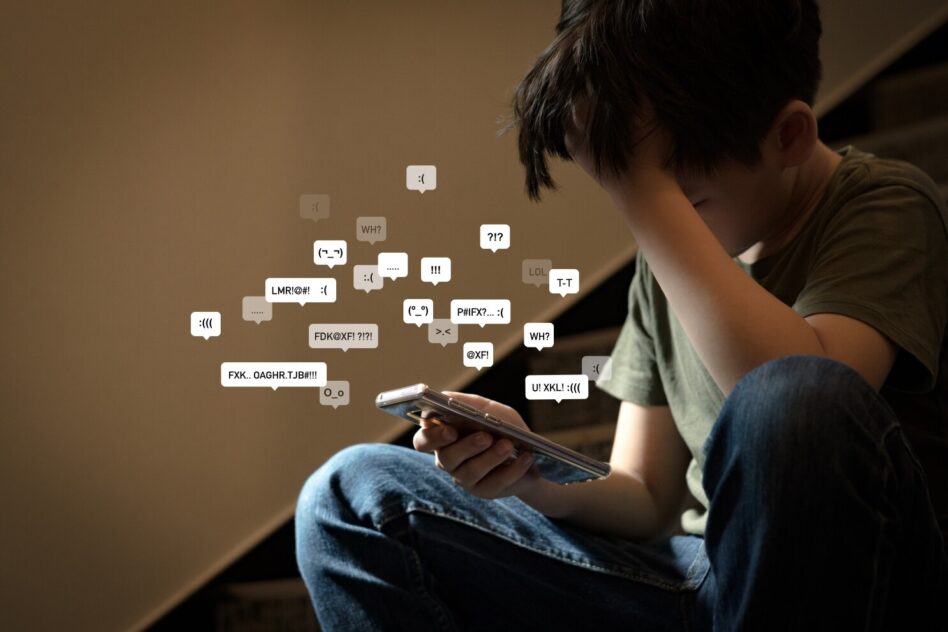
But there’s another kind. Think of it as an inner compass. A quiet voice inside that asks, “Hey, is this post really who you are? Is this comment going to help anything, or just make things worse? Are you treating that other person like a human being?”
That’s healthy shame. It’s not about feeling worthless; it’s about having a built-in filter for your own soul. Without that little voice, things get messy. Laws can only do so much.
If we lose our own personal sense of right and wrong, if we don’t feel that internal check on our behaviour, then cruelty and hatred just become the new normal. History shows that societies don’t just collapse from bad economies—they rot from the inside when people stop holding themselves accountable.
This hits especially close to home in Malaysia. We’re a beautiful, messy mix of races and religions. Our whole deal is about respecting each other.
When our public conversation gets poisoned—when it’s okay to sling racial slurs or mock someone’s faith for a few laughs—it’s not just an online fight anymore. It chips away at the real-world trust that holds our country together.
And this is where young people like you come in. Young people today have a megaphone like never before. A single post from your phone can be seen by thousands in minutes. That’s serious power. You can use it to build people up, or you can use it to blow things up.
For me, the idea is simple: focus on fixing your own flaws instead of spotlighting everyone else’s. There’s a huge difference between looking inward to be a better person (healthy shame) and tearing someone down publicly for everyone to see (public shaming).
One makes you grow; the other just adds fuel to the dumpster fire.
But social media has turned public shaming into a spectator sport. We see a headline, grab our pitchforks, and join the mob before we even know the full story.
People get cancelled, doxxed, and humiliated in a matter of hours. Kindness and patience? They’re the first things to go out the window.
You have the power to change this. Instead of sharing that post that makes your blood boil, maybe just… don’t. Instead of laughing at a cruel joke, you could be the one to say, “Hey, that’s not cool.”
Instead of chasing fame with controversy, you could be a voice that brings people together—across races, across religions, across all the things that are supposed to divide us.
It starts with a simple but powerful idea: real freedom isn’t about doing whatever you want, whenever you want. It’s about having the strength to control yourself.
Having the guts to pause before you post, to refuse to join an online pile-on, or to stick up for someone being attacked—that takes real moral backbone. It might not get you famous, but it builds something way more important: trust, integrity, and a society that doesn’t feel like a constant battlefield.
In a world where being shameless is often mistaken for being authentic, maybe the bravest, most radical thing you can do is rediscover your sense of healthy shame. Not as a way to feel bad, but as a way to guide yourself—and your generation—towards something better.
In the end, the real test of any society isn’t how loud it is. It’s how much people genuinely respect each other. And that respect starts with that quiet, powerful little voice inside.
KT Maran is a Focus Malaysia viewer.
The views expressed are solely of the author and do not necessarily reflect those of MMKtT.
- Focus Malaysia.

No comments:
Post a Comment
Note: Only a member of this blog may post a comment.