


The Transport Ministry is willing to consider implementing incentives for the disposal of old motorcycles, but the initiative can only proceed with cooperation from local motorcycle manufacturers.
Minister Anthony Loke said the programme would require active participation from the industry, similar to old vehicle disposal initiatives implemented by national car manufacturers such as Proton Holdings Bhd and Perusahaan Otomobil Kedua Sdn Bhd (Perodua).
“So far, there is no incentive for the disposal of old motorcycles. I recently received a letter from the Malaysian Motorcycle and Scooter Association (MMSDA), but manufacturers themselves need to take the initiative.
“We introduced programmes for old cars because there were initiatives from manufacturers. If manufacturers come forward, the condition is that the vehicles must be locally assembled; imported vehicles will not be included. Assistance is only given to local manufacturing companies,” he told reporters today.
Loke said the proposal for a motorcycle scrappage programme is still new, but the ministry is open to discussions if local manufacturers express interest.
Earlier, the Seremban MP officiated the 28th Balik Kampung Road Safety Campaign, themed “Pakai Lengkap, Balik Selamat”, which was also attended by Road Transport Department director-general Aedy Fadly Ramly.
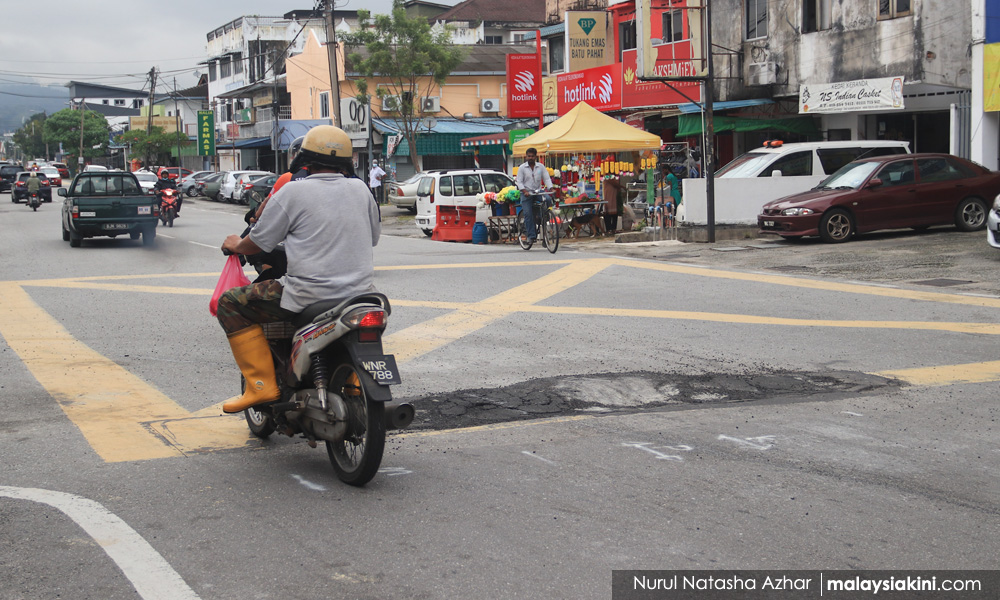
Loke was responding to a proposal for a motorcycle disposal programme similar to the government’s initiative that offers a matching grant of up to RM4,000 to encourage owners to scrap vehicles over 20 years old that are no longer economical and may pose safety risks.
Use proper helmets
Meanwhile, he advised motorcyclists to prioritise safety by using helmets that meet required standards and not to wait for the free helmet replacement programme before replacing unsafe helmets.
He said helmets remain the most important safety equipment for motorcyclists, but observations from helmet replacement campaigns over the years found that many riders were still using helmets that no longer provided adequate protection.
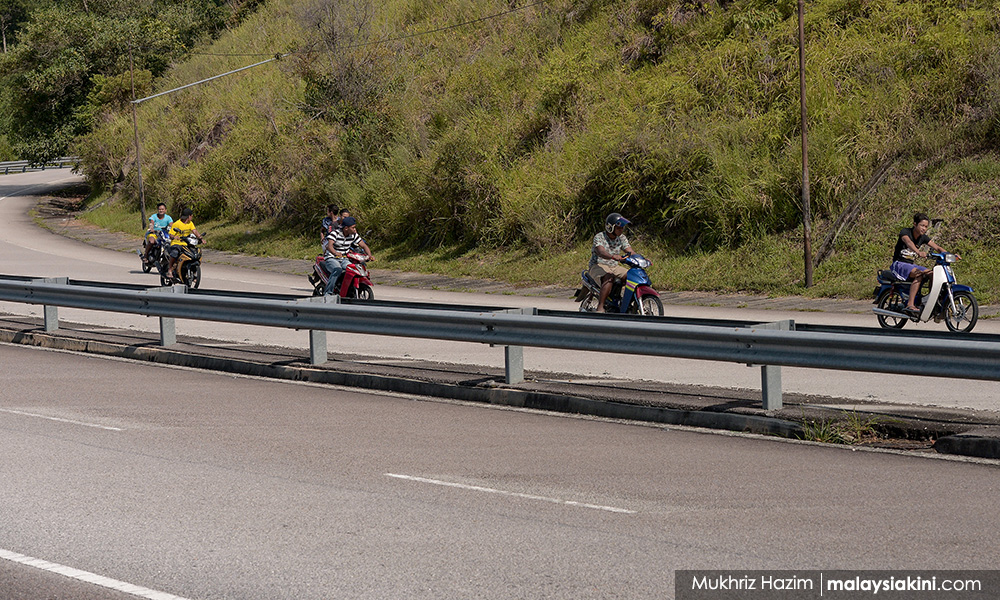
In another development, Loke said the implementation of smart lanes on several highways is aimed at reducing traffic congestion, particularly during peak hours, but safety considerations must remain a priority.
He noted that the matter would need further study, including collecting data on accidents involving the lanes, before any proposal is submitted to the Works Ministry.
“A study needs to be carried out before the matter is brought to the Works Ministry.
The smart lane falls under the jurisdiction of the Malaysian Highway Authority, which is an agency under the Works Ministry,” he said.
- Bernama

No comments:
Post a Comment
Note: Only a member of this blog may post a comment.