


Criticism by Bersatu information chief Tun Faisal Ismail Aziz against Prime Minister Anwar Ibrahim and the Madani government rests on a comparison that sounds simple on the surface.
During the Perikatan Nasional era, the country accumulated large debts, but the rakyat supposedly felt relieved. Today, debt continues to rise, subsidies are being restructured, and the cost of living remains high.
From this framing, the current government is labelled a failure.
At first glance, the argument appears persuasive. Look deeper, however, and it reads more like political rhetoric than a comprehensive economic assessment.
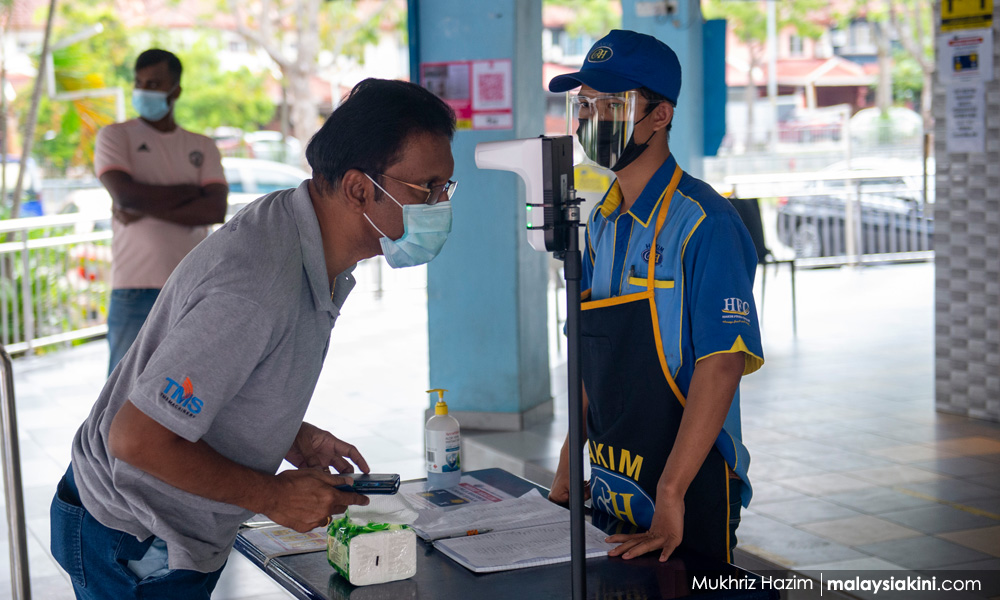
PN governed during the worst public health and economic crisis in modern history. Large parts of the economy were shut down, businesses collapsed, and millions lost their livelihoods.
Under such extraordinary conditions, massive borrowing was unavoidable to keep households afloat and prevent a total economic breakdown. Those expenditures were emergency measures, not a sustainable model for normal times.
What is often overlooked is that today’s administration inherited the aftershocks of that period. Economic damage does not disappear the moment a lockdown ends.
High public debt, widened fiscal deficits, and blanket subsidy structures continue to weigh on national finances long after the crisis itself.
Borrowing during a crisis is meant to rescue. Borrowing after a crisis is meant to rebuild and stabilise.
Presenting PN’s spending as proof of superior governance without acknowledging the long-term consequences ignores a basic reality.
Necessary course correction
Many policies during that period deferred difficult fiscal adjustments that would eventually have to be made once the economy reopened.
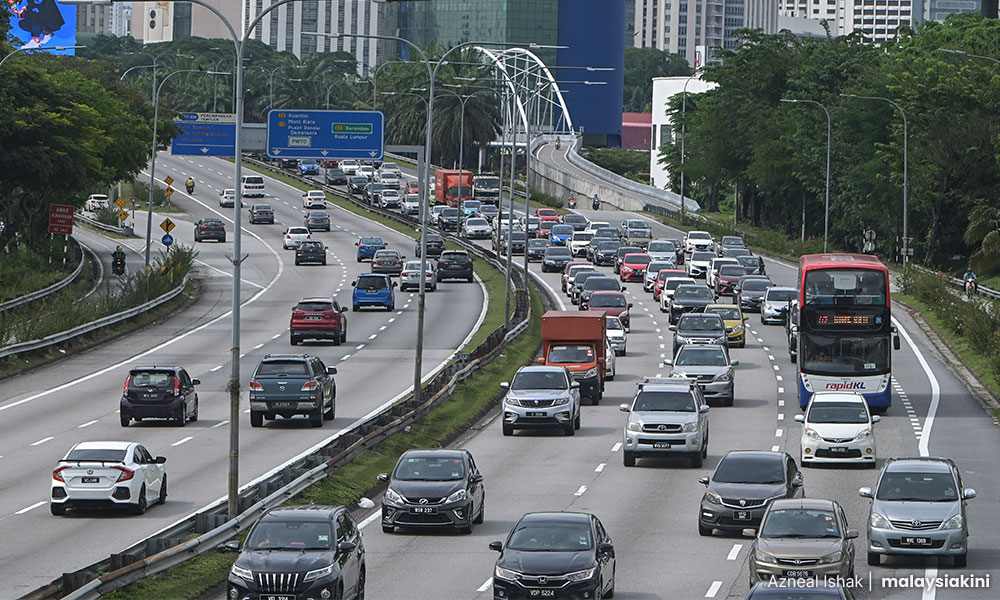
Continuing the same approach indefinitely would expose the country to rising financial risks, including currency pressure and inflation.
The Madani government has chosen a more difficult but sustainable path. Subsidy rationalisation, targeted assistance, and efforts to broaden national revenue are being implemented because blanket subsidies disproportionately benefit higher-income groups.
Directing resources toward low- and middle-income households is not neglect. It is an attempt to use public funds more fairly and efficiently.
Measures such as the RM1,700 minimum wage, the new civil service remuneration scheme, and targeted aid programmes aim to strengthen household resilience rather than provide short-term relief. Policies of this nature take time before their full impact is felt on the ground.
Leadership experience is also frequently raised as if PN were inherently better equipped to govern. Yet each phase of a crisis demands a different approach.
When the economy was closed, the priority was emergency support on a massive scale. When the economy reopened, the focus shifted to fiscal recovery, investment, and long-term stability.
Applying the same yardstick to both periods is misleading.
Recovery amid global pressures
Claims that current borrowing yields no benefit also do not align with economic indicators. Malaysia continues to record growth, inflation remains manageable, and the financial system is stable despite global uncertainty. The ringgit has shown signs of recovery compared with earlier periods.
Foreign investment is picking up, tourism has rebounded, and strategic initiatives such as the Malaysia-Singapore Special Economic Zone are opening new economic opportunities. Several international assessments also indicate improving confidence in the country’s outlook.

At the same time, stronger anti-corruption enforcement is helping restore institutional credibility. While such efforts do not directly lower prices, they are essential for ensuring that economic growth is not undermined by leakages.
Blaming global conflicts solely on domestic policy shortcomings is equally flawed. All open economies are affected by external developments. The real question is not whether those effects can be avoided entirely, but how well a country manages them.
Debt, after all, is merely a financial instrument. Its effectiveness depends on purpose and execution. PN borrowed to prevent collapse during an emergency. The Madani government is borrowing to rebuild fiscal stability and strengthen the foundations of growth.
These are fundamentally different contexts that cannot be reduced to a single narrative.
The current administration also faces complex political and social challenges, including sensitive issues that can affect national cohesion. In such circumstances, economic reforms must be carried out carefully to avoid destabilising the broader social fabric.
Going beyond nostalgic comparisons
Many Malaysians are indeed struggling with rising living costs. But much of this pressure stems from global inflation, supply chain disruptions and geopolitical tensions affecting nearly every country. No government can fully control these external forces.
Judging the present solely by a feeling that the past was more comfortable does not provide an accurate picture. The key question is whether past policies remain suitable for today’s challenges. In this case, current measures aim to prevent the country from slipping back into the same vulnerabilities.
Borrowing to save a nation during an emergency is one thing. Borrowing to rebuild it afterwards is something else entirely.
Exploiting public sentiment may yield short-term political gains, but it does not solve structural economic problems. Malaysia cannot continue operating as if it were still in crisis mode. Recovery requires decisions that are sometimes unpopular but necessary.
The rakyat are not idiots. They can distinguish between political narratives and economic reality. Simple comparisons may attract attention, but they do not necessarily reflect the truth. - Mkini
MAHATHIR MOHD RAIS is a former Federal Territories Bersatu and Perikatan Nasional secretary. He is now a PKR member.
The views expressed here are those of the author/contributor and do not necessarily represent the views of MMKtT.

No comments:
Post a Comment
Note: Only a member of this blog may post a comment.