


AirAsia X is adjusting capacity, tightening costs, and adjusting fares to mitigate rising fuel prices, said the airline’s co-founder and adviser, Tony Fernandes.
Fernandes, who is also the CEO of digital travel and lifestyle services group Capital A, said the low-cost carrier will trim capacity and raise fares to cushion the impact of higher fuel costs stemming from the West Asia crisis.
He noted that such adjustments are necessary to sustain operations amid ongoing volatility.
He said the airline is leveraging its experience from past crises, including the Covid-19 pandemic, to navigate current challenges, stressing that demand for air travel remains resilient despite rising costs.
Fernandes noted that AirAsia is accelerating operational improvements and ecosystem integration to mitigate pressures.
They include strengthening its cargo segment, enhancing connectivity across its network, improving maintenance efficiency, and leveraging platforms like the Move travel app and loyalty platform AirAsia Next to drive demand.
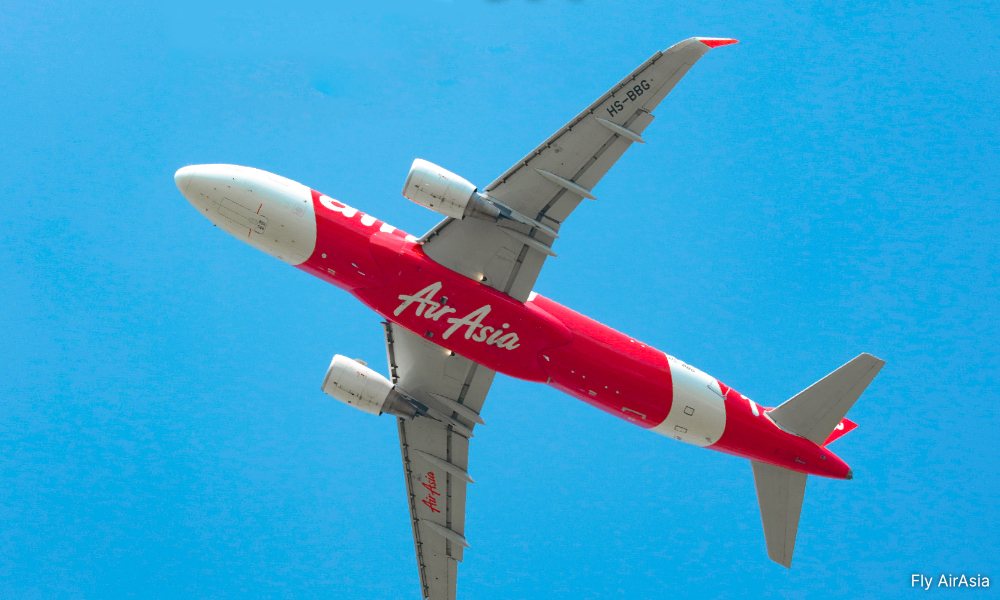
He added that AirAsia’s cargo business continues to see robust demand, supported by its logistics arm Teleport.
“There is strong demand for our cargo business, and we are working to ensure we have sufficient capacity to meet that demand,” he told an AirAsia X media briefing in Kuala Lumpur today.
Lower demand after Raya
Meanwhile, AirAsia X group CEO Bo Lingam said the airline will continue to revise fares based on the current situation and fuel prices, adding that any increase will be implemented carefully to balance affordability and cost recovery.
To date, he said AirAsia X has reduced about 10 percent of its flights, largely reflecting seasonal demand patterns following the Hari Raya peak period.
“Across the group, we have only cut about 10 percent of flights, which is also in line with the lower travel season after Raya,” he said.
He added that AirAsia’s extensive domestic and Asean network allows the airline to spread capacity efficiently while maintaining competitive pricing across markets.
He said the airline is also strengthening its connectivity footprint, with cities such as Istanbul serving as key transit points linking Europe and Asia, while growing demand is being observed from markets including Central Asia.
Flights to Bahrain, Busan
On expansion plans, Bo reaffirmed its commitment to launch flights to Bahrain in June, subject to geopolitical developments.
“We are still seeing strong demand for Bahrain, and the plan to operate the route remains on track,” he said.
He added that other routes, including Busan, are proceeding as scheduled.
AirAsia said it will continue to monitor market conditions closely and adjust capacity and fares accordingly, while maintaining connectivity across its key markets.
- Bernama

No comments:
Post a Comment
Note: Only a member of this blog may post a comment.