

WHEN sustainability is discussed in the context of industrial development, the focus often centres on energy efficiency, emissions reduction and green technologies.
These are important considerations. But there is another dimension of sustainability that deserves equal attention – the welfare and living conditions of the workforce that drives industrial activity.
Across many industrial areas in Malaysia, thousands of workers travel long distances every day to reach factories, warehouses and logistics facilities.
This challenge has grown more pressing in recent years. Rising living costs combined with higher fuel prices following the government’s rationalisation of petrol subsidies in addition to the current state of global energy crisis have placed greater financial pressure on workers dependent on daily commutes.
For many, transportation costs now represent a significant and growing portion of monthly household expenditure, making proximity to the workplace an increasingly important factor in financial well-being.
For businesses, lengthy commutes translate into operational challenges, complicated transportation arrangements, inconsistent shift attendance and higher staff turnover.
For workers already managing rising household expenses, the added burden of daily travel costs can also affect morale and retention. Over time, these issues can affect productivity and business continuity.
Growing purpose-built accommodation need
Providing well-planned accommodation closer to workplaces helps address these challenges while creating more stable and supportive living environments for workers.
In this context, worker housing should increasingly be viewed as part of the essential infrastructure that supports industrial growth, not an afterthought.
Malaysia’s industrial sector continues to expand, particularly in regions such as Johor where manufacturing and logistics activities have grown significantly in recent years.
Data from the National Property Information Centre (NAPIC) shows that Johor recorded 1,591 industrial property transactions in 2024, reflecting sustained activity across the state’s manufacturing and logistics corridors.
As more factories, logistics centres and industrial parks develop across these areas, the need to support the workforce behind these operations becomes increasingly important.
With household expenses rising and transportation costs climbing, the commuting burden carried by industrial workers has taken on greater significance.
Reducing the distance between where workers live and where they work is no longer simply a matter of operational efficiency. It is also a practical response to the economic realities facing a large segment of Malaysia’s working population.
As global supply chains place greater emphasis on ESG standards and responsible labour practices, how industrial workforces are housed is also becoming an important part of how companies demonstrate sustainable and ethical operations to investors and international partners.
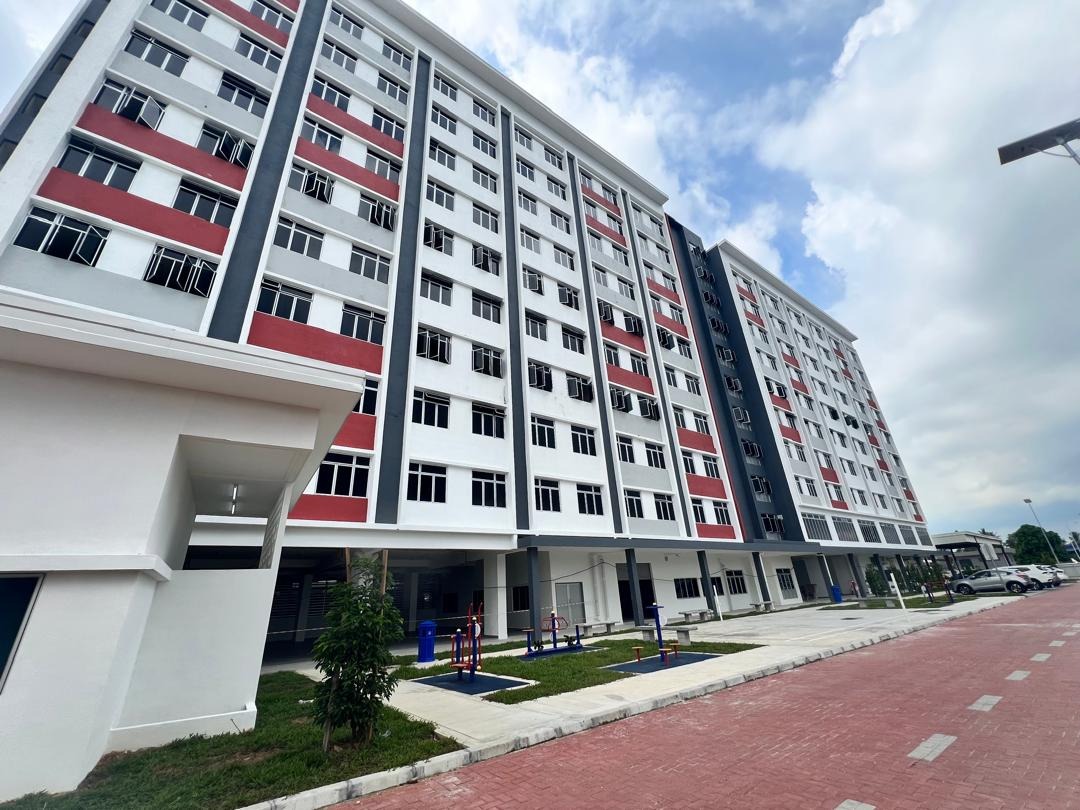
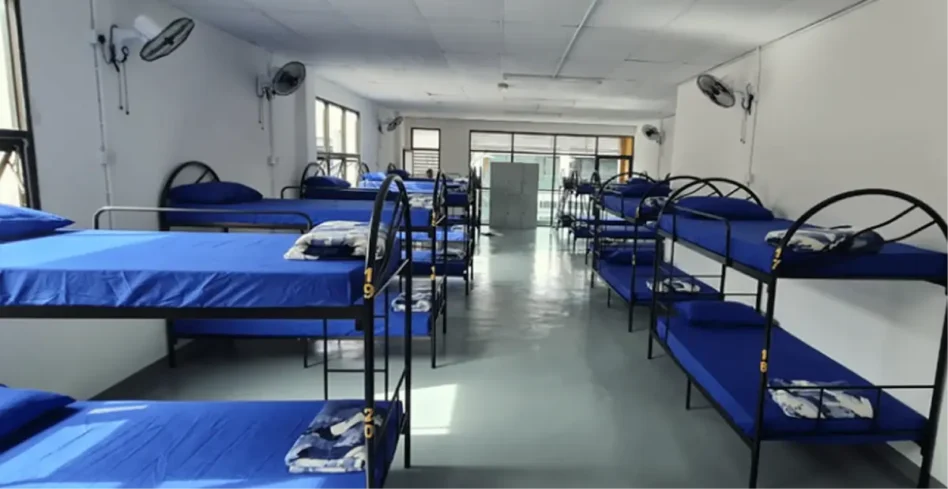
Purpose-built worker accommodation (PBWA) is designed specifically to provide structured and regulated living environments for industrial workforces.
These developments typically include proper residential facilities, shared amenities and safety standards that support both worker well-being and operational stability.
In recent years, developers have increasingly begun to view PBWA as an important component of responsible industrial planning, rather than simply a regulatory requirement.
Building responsible industrial ecosystems
From my experience working on industrial and logistics developments, the most effective projects consider the broader ecosystem surrounding industrial activity – not only warehouses, factories and transport connectivity – but also the infrastructure that supports the workforce.
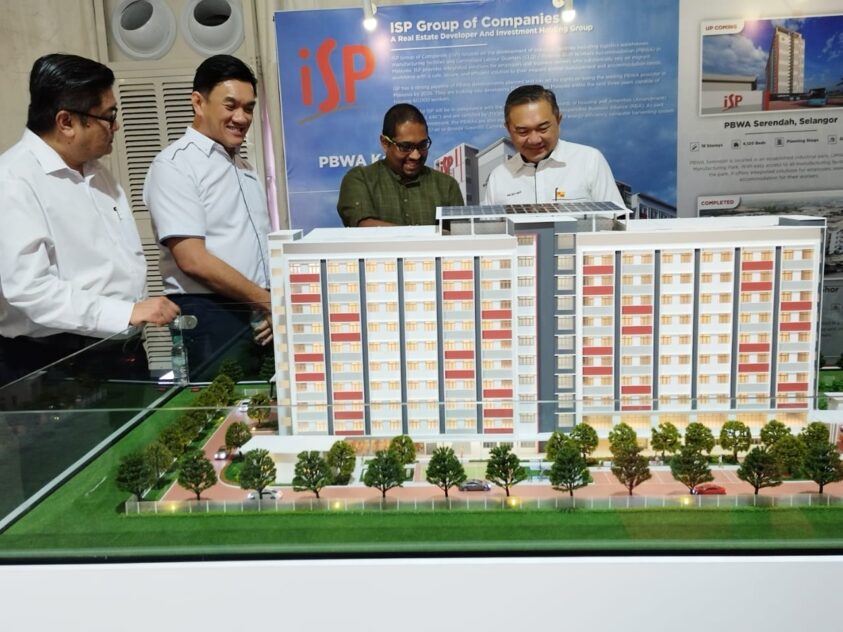
At ISP Group, we have increasingly incorporated these principles by developing purpose-built accommodation that provides structured living environments, proper sanitation facilities and managed housing designed to meet recognised worker welfare standards.
A hallmark of the ISP Home experience is our community charming mini garden, lovingly maintained by the residents themselves.
In this shared space, they cultivate a variety of vegetables and chillies which are then used for their own daily needs, encouraging a sense of community, sustainability and self-sufficiency.
Locating accommodation closer to industrial workplaces also helps reduce long daily commutes while supporting more stable and organised workforce communities.
When workforce housing is thoughtfully planned, it contributes not only to operational stability but also to the broader sustainability of industrial development.
Looking ahead
As Malaysia continues to attract manufacturing and logistics investments, worker welfare will become an increasingly important part of how industrial developments are planned.
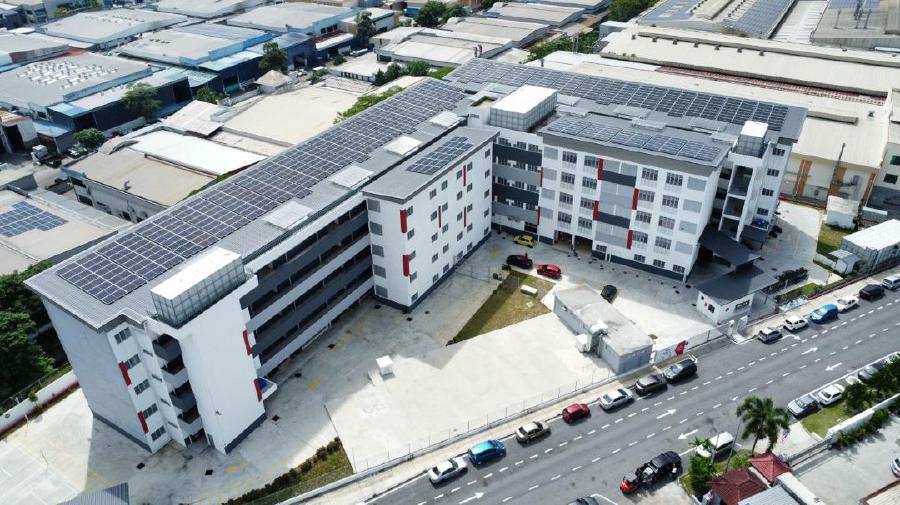
Closer integration between workplaces and worker accommodation or ensuring housing sits within practical distance of industrial zones will define well-planned industrial ecosystems where logistics facilities, workforce housing and supporting amenities are developed together to improve the living standards of workers.
Sustainability in industrial development is often measured through environmental performance and infrastructure improvements. These remain important priorities.
But sustainable industrial ecosystems also depend on the people who keep factories, warehouses and logistics networks operating every day.
Ensuring that workers have access to safe, well-planned accommodation is therefore not only a social responsibility. It is also an important step toward building a resilient and sustainable industrial economy for Malaysia’s future.
Eric Ng is the founder of ISP Group, a developer specialising in logistics infrastructure and purpose-built worker accommodation.
The views expressed are solely of the author and do not necessarily reflect those of MMKtT.
- Focus Malaysia.

No comments:
Post a Comment
Note: Only a member of this blog may post a comment.