


Speculation is rife that Putrajaya is keen to hold elections this year, despite the ongoing fuel crisis.
While Prime Minister Anwar Ibrahim said two weeks ago that he won’t call for polls in the next two months, speculation remains that he is still considering a snap election soon after.
In such a climate, if he does call for an election, the messaging is expected to centre on the need for stability, unity, and strong leadership to weather future economic shocks.
Putrajaya is still reeling from skyrocketing fuel prices due to the West Asia conflict, with monthly subsidy spending ballooning from RM700 million to RM2 billion.
Last week, Anwar also warned the public to brace for price hikes.
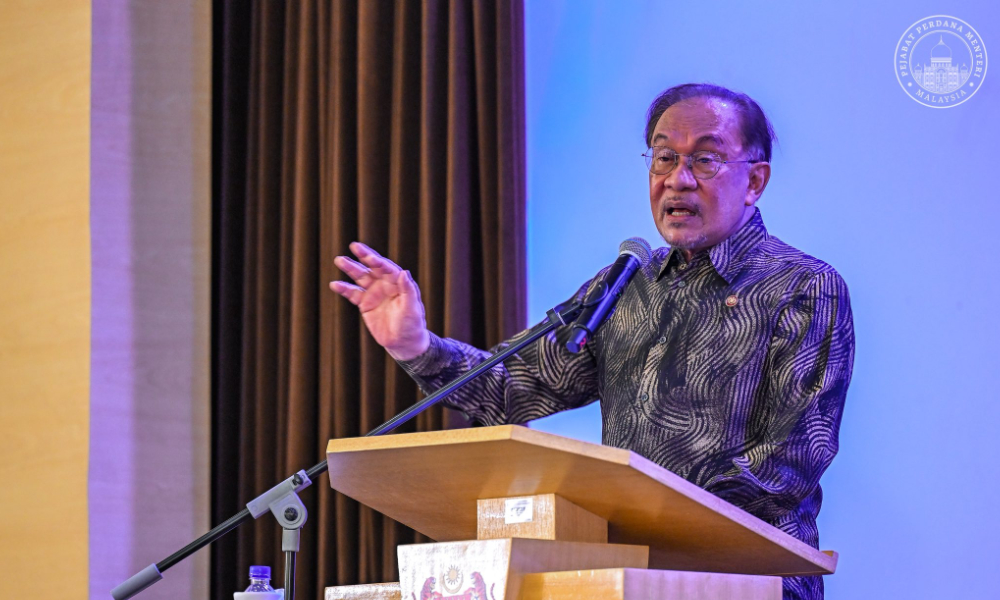
Against this backdrop, there appears to be uncertainty within the coalition government about whether snap polls are a good idea at the moment.
Not a good time
Umno supreme council member Ahmad Maslan reportedly said that he would urge the party not to proceed with plans to hold state elections in Malacca and Johor soon.
“Holding an election while the people are struggling is not appropriate.
“Even though Johor (BN) provides various initiatives, the state government still can’t control the price of diesel, so it’s not logical to hold an election next week,” he was quoted as saying by Sinar Harian yesterday.
He added that he would raise the suggestion to postpone elections at the Umno supreme council meeting in Malacca this Friday.
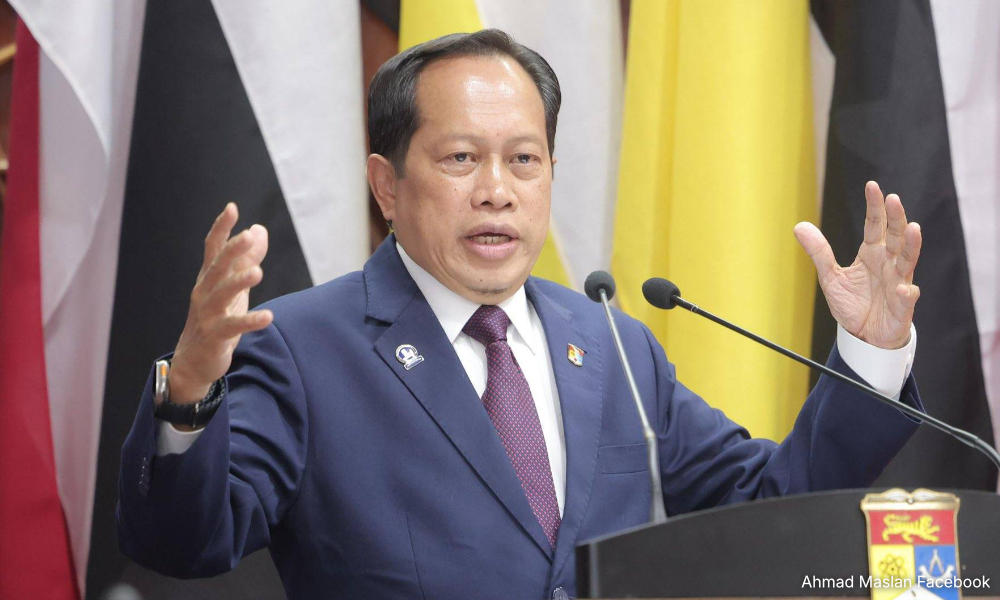
Malaysiakini’s checks found that reports of Ahmad’s remarks in Sinar Harian, Berita Harian, and Malaysia Gazette were no longer accessible. It is not clear why the articles were removed.
Ahmad, however, clarified with Berita Harian today that he was merely expressing his personal opinion that polls should be postponed, adding that timing is critical.
Although both Malacca and Johor are only due to hold state elections next year, BN is keen for snap polls to repeat its success in 2021 and 2022.
During those snap elections, lower voter turnout due to outstation voters not returning, enabled BN to capitalise on multi-cornered fights and bag supermajorities in the state assemblies.
These successes were reversed in the 2022 general election, most notably in Malacca, where BN failed to win any parliamentary seats, with the state divided equally between Pakatan Harapan and Perikatan Nasional.
But it’s not just voices within BN that are concerned about snap polls.
PKR Youth and DAP leaders in Johor and Malacca have also voiced support for postponing polls, citing public interest.
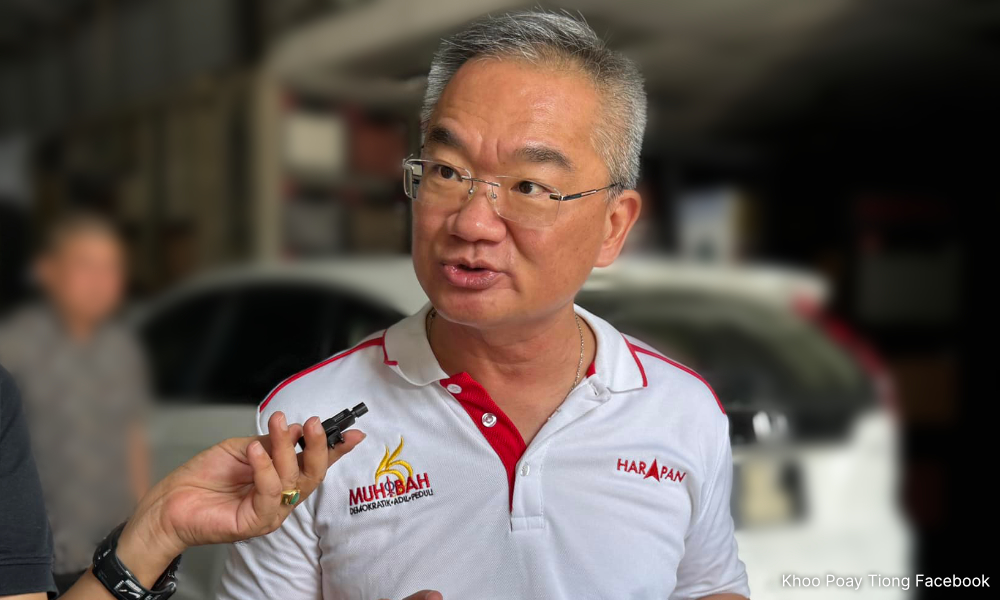
Kota Melaka MP Khoo Poay Tiong even suggested that the Malacca government petition the Yang di-Pertuan Agong to declare an emergency so that elections can be held later.
Not much difference
Commenting on the timing of possible snap elections, Pacific Research Center Malaysia principal adviser Oh Ei Sun said that whether polls are held sooner or later would not make much difference.
He said any advantage from a possibly improved economy would be marginal at best.
“The economy is likely to be as bad or even worse going forward, so it doesn’t really make a difference in that sense,” he said, adding that the West Asia conflict is likely to drag out, albeit intermittently.
He said the only advantage of holding earlier elections is to capitalise on the opposition’s disarray.

Another analyst, International Islamic University Malaysia political science associate professor Syaza Shukri, opined that it would be in the government’s best interest to postpone polls for as long as possible.
“Mainly to appear that the government is prioritising governance and that managing, especially the economy, is the government’s top priority.
“Of course, it’s also a blessing because it gives time for the government to regroup, especially given setbacks in the past few months since Sabah,” she said.
If the government were to push through with snap polls soon, Syaza is unconvinced that a message of stability and continuity to weather hardships would work with younger and on-the-fence voters.
This is because voters nowadays want something more tangible than the promise of stability, she explained.
“The government needs to convince voters of what else they can do to extend whatever good they have already done.
“To just say vote for them for the sake of continuity appears weak and honestly not convincing enough, especially for the younger generations,” she said, adding that such messaging may only work with older voters.

No comments:
Post a Comment
Note: Only a member of this blog may post a comment.