


The government is in the process of revoking the ban on three books linked to communist movements.
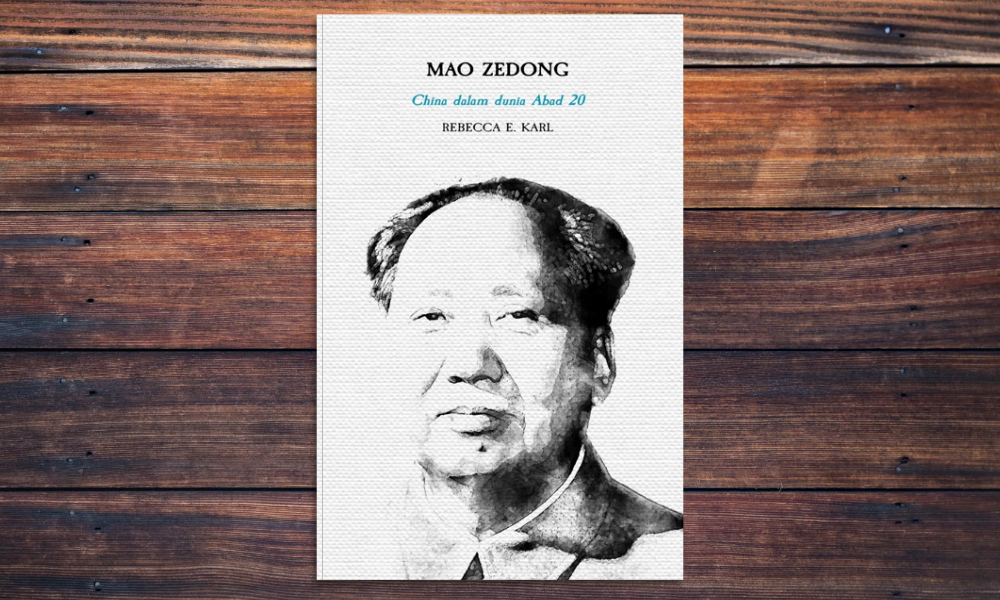
Home Minister Saifuddin Nasution Ismail said the three books are “Mao Zedong: China dalam Dunia Abad ke-20”, “Memoir Shamsiah Fakeh: Dari Awas ke Rejimen Ke-10”, and “Komrad Asi (Rejimen 10): Dalam Denyut Nihilisme Sejarah”.
So far, he said, the Home Ministry is still awaiting a response from the Attorney-General’s Chambers (AGC) regarding the matter.
When contacted, Saifuddin said the decision was made after it was discussed in a cabinet meeting yesterday.
“The minister has the power to revoke a prohibition order. That is what I am exercising now.
“But the process for the minister is that I must first obtain feedback from the attorney-general.
“Only then will I use the power to revoke the prohibition order on a particular material,” he told Malaysiakini.
Saifuddin explained that the move was made after the cabinet agreed to improve the standard operating procedure (SOP) for banning books to prevent the minister from only acting after an issue goes viral.

The ban on the three books previously drew criticism from various parties.
Veteran politician Rais Yatim, among others, told Malaysiakini that the practice of banning books is no longer realistic in the internet era.
PKR’s Gopeng MP Tan Kar Hing said the government should instead encourage the people to foster a culture of critical thinking.
Caught in a firefight
Commenting further, Saifuddin admitted that the previous book-banning process often left him in a “firefighting” situation because he only learned about book seizures or bans after enforcement was carried out by agencies under his ministry.
“I only know after it becomes an issue. That is the current practice.
“I don’t want to be 'firefighting' all the time. Whether it’s seizing LGBT watches, books, or whatever... I am only forced to act after the fact,” he said.
According to him, under the new mechanism presented to the cabinet, reports from the Special Branch will no longer be immediately enforced by the Enforcement and Control Division as per the old practice.
Instead, the list must first go through the minister’s scrutiny.
Additionally, Saifuddin has instructed the enforcement division to engage with the Malaysian Book Publishers Association (Mapoba) before any drastic action is taken against any reading material.
“If the list prepared by the Enforcement and Control Division reaches me, there are two possibilities: I approve it (for public consumption), or I say yes (action can be taken).
“But before enforcement action, the enforcement division will meet with the publisher first.
“We want the publisher to be called in to provide their explanation and views first,” he said.
More prudent approach
Saifuddin also stressed that under this new process, the term “seizure” will be replaced with a more prudent approach through two-way communication with the publishing industry.
“This is the step I will take now. Previously, (reports) went straight from the Special Branch to the Enforcement and Control Division, and the division would implement it (the ban).
“After this, I will scrutinise and consider the list first,” he added.
He added that these changes are expected to ease ongoing criticism against the government regarding freedom of speech and the right to read in Malaysia. - Mkini

No comments:
Post a Comment
Note: Only a member of this blog may post a comment.