

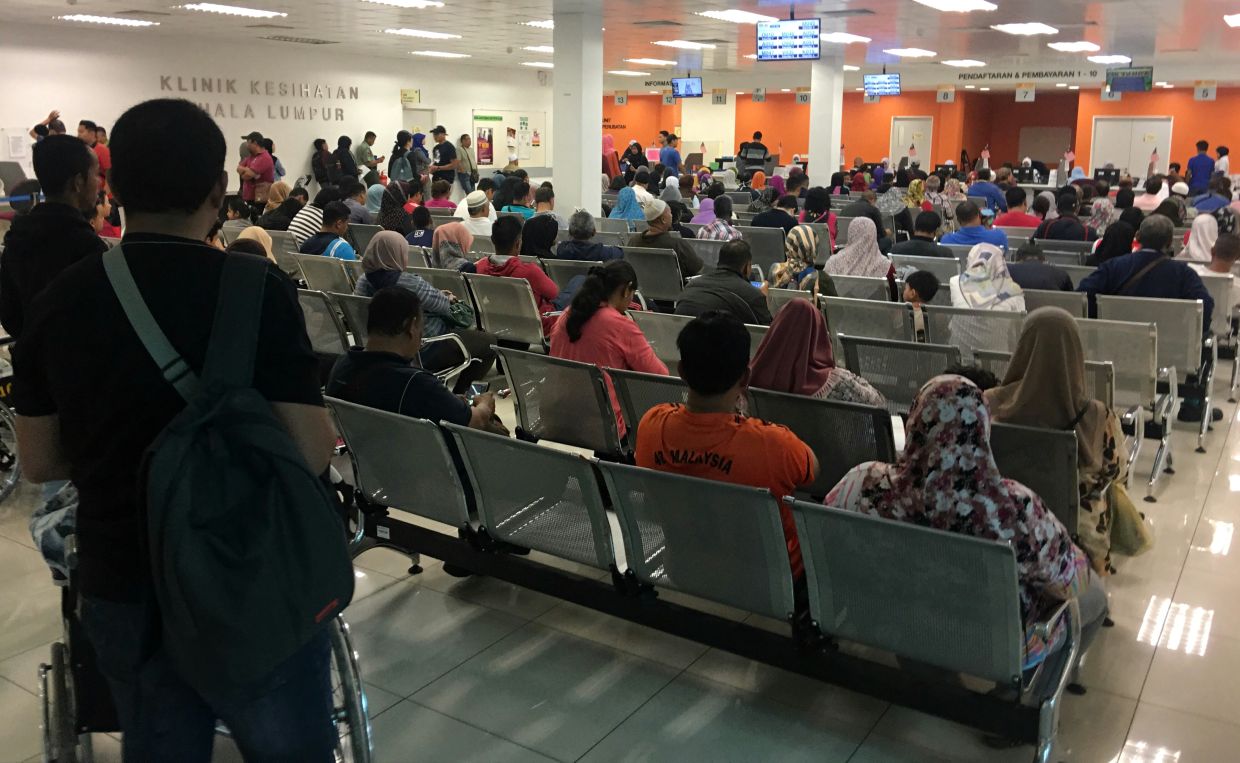
MALAYSIA’S public healthcare system has long been a point of pride—affordable, accessible, and dependable when needed most. But today, it is showing clear signs of strain. The most visible symptom is also the most troubling: long waiting times.
Patients are now routinely spending four to nine hours in emergency departments. Some are treated on stretchers due to lack of beds, while others are placed in makeshift overflow areas.
These are no longer isolated incidents but recurring pressures that point to deeper structural challenges.
This raises an urgent question: are these growing pains, or signs of a system nearing its limits? The reality is likely both. The system is not at a breaking point yet, but without meaningful reform, it risks getting there.
At the core of the problem is a mismatch between demand and capacity. Public hospitals have become the default care setting for everything from minor illnesses to critical emergencies.
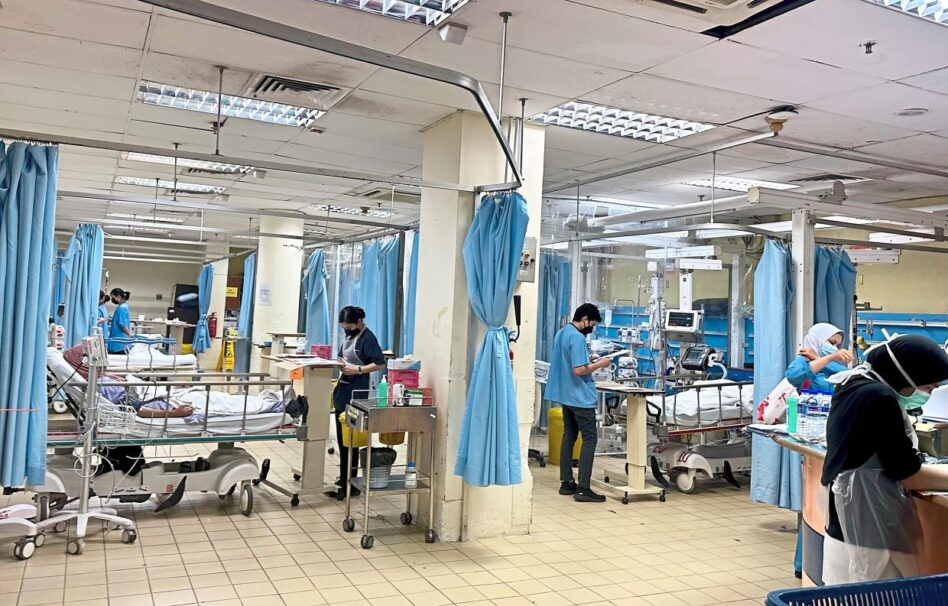
At the same time, shortages of doctors, nurses, and specialists continue to strain service delivery. Those who remain in the system are often overworked, fatigued, and increasingly vulnerable to burnout or migration to better opportunities elsewhere.
A further strain comes from “bed blocking”, where patients medically fit for discharge remain in hospital due to a lack of step-down care or community support. This reduces bed availability, creates bottlenecks in emergency departments, and pushes waiting times even higher.
While the Health Ministry tracks key performance indicators for waiting times, frontline realities often tell a different story. In overcrowded and understaffed environments, pressure to meet targets can inadvertently affect service quality and staff wellbeing.
Addressing these challenges requires more than incremental fixes.
First, primary healthcare must be strengthened. Klinik Kesihatan should function as the foundation of the system, with expanded capacity, extended operating hours, and stronger chronic disease management outside hospital settings. This would significantly reduce unnecessary hospital visits.
Second, clearer separation between emergency and non-emergency care is needed. Many non-urgent cases currently burden emergency departments. Establishing urgent care centres for minor conditions would help relieve pressure on hospitals.
Third, the discharge bottleneck must be addressed. Patients who are medically stable but unable to return home safely should not occupy acute hospital beds.
Investment in community hospitals, rehabilitation centres, and home care services is essential to improve patient flow and system efficiency.
There is also room for better integration between the public and private healthcare sectors. Greater collaboration, including the strategic use of private hospital capacity during peak demand, could help reduce waiting times and improve access to care.
Digitalisation also plays a critical role. A more integrated national health system would reduce duplication of tests, improve data sharing, and streamline processes from registration to medication dispensing. However, this must be a coherent system rather than fragmented digital tools.

Equally important is the healthcare workforce. Without sufficient numbers of trained professionals, no structural reform will succeed. Better working conditions, fair compensation, and clear career progression pathways are essential to retain talent within the public system.
If these issues are not addressed, the consequences will extend beyond inconvenience. Longer waiting times can delay diagnoses, erode public trust, and in severe cases, cost lives. They also contribute to burnout among healthcare workers, further weakening the system.
Malaysia’s public healthcare system remains one of its strongest national assets. However, sustaining it will require urgent and coordinated reform.
The country is now at a crossroads. One path leads to escalating pressure and declining quality of care. The other leads to a more resilient, efficient, and equitable healthcare system.
The choice is clear—but the window to act is narrowing.
KT Maran is a Focus Malaysia viewer.
The views expressed are solely of the author and do not necessarily reflect those of MMKtT.
- Focus Malaysia.

No comments:
Post a Comment
Note: Only a member of this blog may post a comment.