


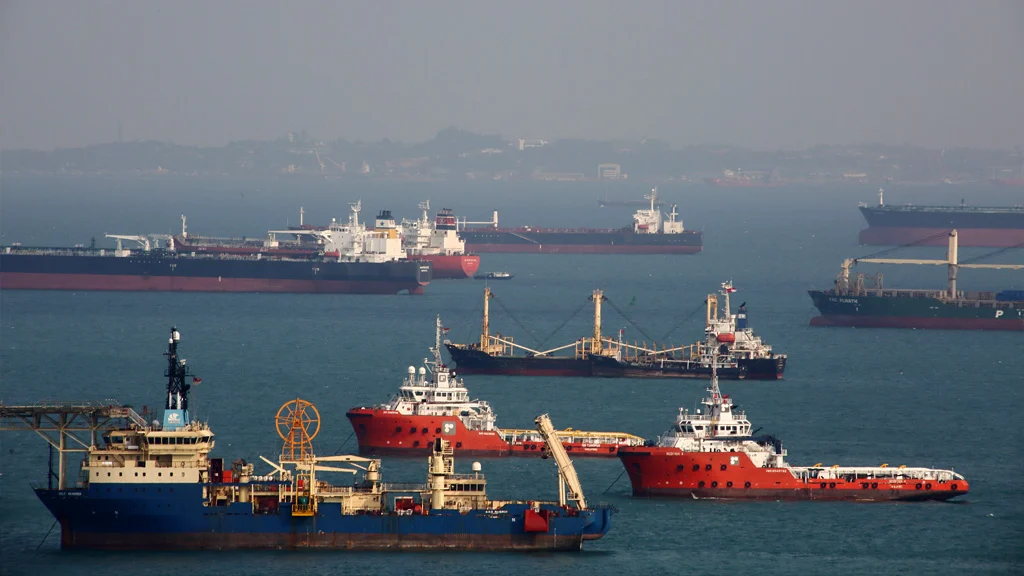
IMAGINE waking up to news that a major shipping route has just been blocked. Suddenly, oil prices spike. Ships are stuck. What you need at the store costs more—or doesn’t arrive at all.
This isn’t some far-off disaster movie. We came close to this when Iran hinted at shutting the Strait of Hormuz, a tiny stretch of water that carries nearly one-fifth of the world’s oil.
That moment was a wake-up call: vital sea lanes must stay open, neutral, and free from any one country’s control. For nations like Malaysia, where trade isn’t just part of the economy—it is the economy—this hits close to home.
Think of maritime straits as the world’s bloodstream. The Strait of Malacca, for example, is a superhighway for Asian trade. International law—specifically the United Nations (UN) Convention on the Law of the Sea—protects these passages with something called “transit passage.”
In plain English: ships from any country can pass through freely, and no single nation gets to use these routes as leverage over others. This isn’t just legal fine print. It’s what keeps global trade predictable and stable.
For Malaysia, this isn’t abstract. Our ports, our exports, the energy we depend on—all rely on smooth sailing through these lanes. Disrupt them, and we’re looking at shortages, rising prices, and economic trouble at home.
So neutrality in these waters isn’t some distant geopolitical concept. It’s about protecting Malaysian jobs, families, and our way of life.
Here’s why keeping straits open and neutral works for everyone:
Economic security: Open seas mean supply chains run smoothly. Malaysian factories and families need that predictability. Block the routes, and costs climb while growth stalls.
Fewer conflicts: History shows that strategic chokepoints can spark fights. Neutrality helps stop disputes from blowing up, which protects smaller nations and keeps global relations calmer.
Steady energy supplies: Key straits move enormous amounts of oil and gas. Keeping them open shields Malaysia and others from sudden price shocks or energy shortages.
Working together: When countries along a strait cooperate—like the joint patrols and anti-piracy efforts in the Malacca Strait—everyone wins. Stewardship works better than domination.
But we can’t take neutrality for granted. Tensions are rising. Threats to block strategic passages are becoming louder. That rules-based order that kept trade flowing for decades? It’s under pressure.
For Malaysia, staying silent isn’t an option. We need to speak up for open seas, strengthen regional teamwork, and stand by international law. If we don’t, coercion could become normal—and the ripple effects would hit all of Asia and beyond.
There’s also a deeper, human side to this. The sea has always connected us—trade, ideas, culture. Turning it into a weapon would betray that history.
In the end, neutral seas aren’t a nice-to-have. They’re a must-have—for economic stability, for peace, for shared prosperity.
For Malaysia, standing up for this principle isn’t just smart policy. It’s the right thing to do. In a world full of division, open waterways remind us that cooperation, not control, is the only real path to a safe and thriving future.
KT Maran is a Focus Malaysia viewer.
The views expressed are solely of the author and do not necessarily reflect those of MMKtT.
-Focus Malaysia.

No comments:
Post a Comment
Note: Only a member of this blog may post a comment.