


PKR assemblyperson Gunaraj George has urged the Selangor government to provide a detailed explanation regarding the figure of “688 temples” in the state, which he said could be misleading if not properly clarified.
He said the figure previously reported by the state exco for poverty eradication and human resources, V Papparaidu, needs to be refined, as it may include various types of places of worship with different characteristics and scales.
According to him, based on checks by the National Hindu Temples Steering Committee and feedback from the community, the figure may include small structures within a single area counted as separate entities, such as small prayer huts, shrines, and places of worship inside private homes.
“It is not appropriate to categorise all these as ‘temples’ in the true sense of the word,” he said in a statement today.
In view of this, the Bukit Sentosa assemblyperson proposed a more precise approach by categorising places of worship based on clear definitions - whether structured temples, small shrines, or private prayer spaces - before figures are announced publicly.
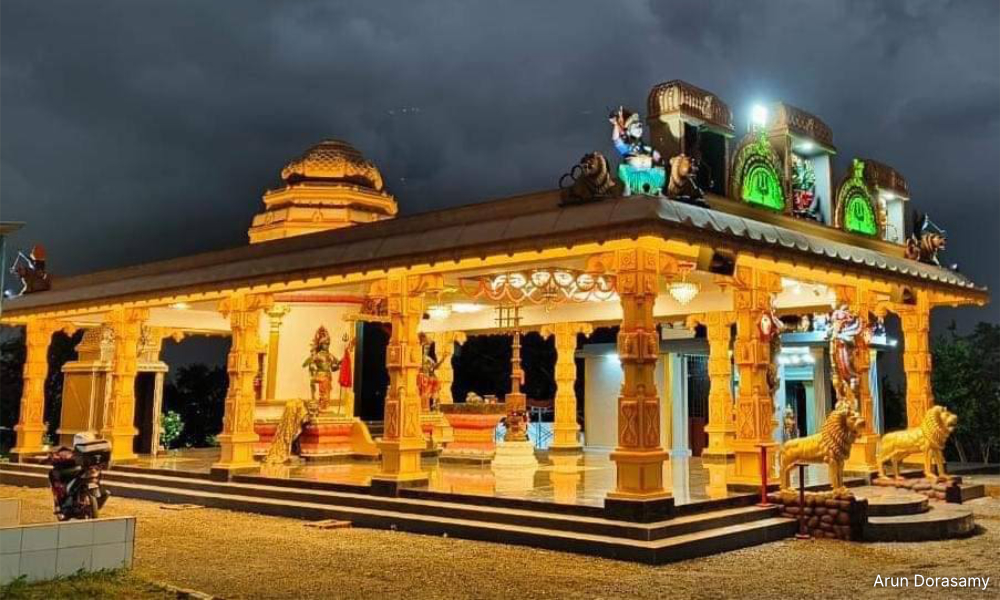
He also stressed that the management of places of worship should be handled in an orderly, inclusive, and prudent manner, taking into account public sensitivities and the actual needs of worshippers.
“Hence, a comprehensive review must be carried out to ensure that the data presented is accurate, transparent, and not misleading,” he said.
433 unauthorised temples on govt land
The Selangor government was previously reported to have identified 688 Hindu temples operating without permission as of April 16.
Papparaidu said the figure covers temples built without approval on government and private land.
He said 433 temples were built without permission on government land, with Petaling recording the highest number at 96 temples, followed by Kuala Selangor (81), Gombak (57), Hulu Langat (55), Klang (45), Kuala Langat (36), Sepang (34), and Hulu Selangor (29).
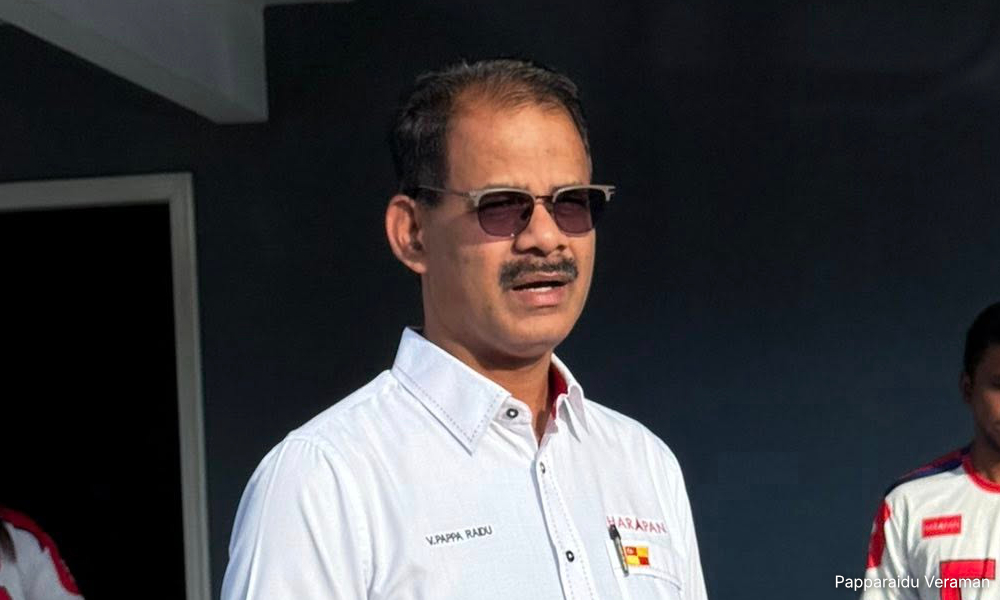
“A total of 255 temples were built on privately owned land without permission, involving Kuala Selangor (126), followed by Kuala Langat (38), Sepang (28), Hulu Selangor (22), Klang (20), Hulu Langat (12), Petaling (eight), Sabak Bernam (two), and Gombak (one),” he said when replying to a question from S Preakas (Harapan-Kota Kemuning) in the Selangor state legislative assembly.
However, several parties have questioned the figure, as it is believed to include various types of religious structures, including small shrines and informal prayer spaces that do not necessarily meet the full definition of a temple.
The issue has also sparked debate on the need for standardised definitions and greater data transparency in policymaking related to houses of worship.
Gunaraj added that factual accuracy is crucial to ensure that policies are based on clear information and do not cause misunderstandings among the public. - Mkini

No comments:
Post a Comment
Note: Only a member of this blog may post a comment.