


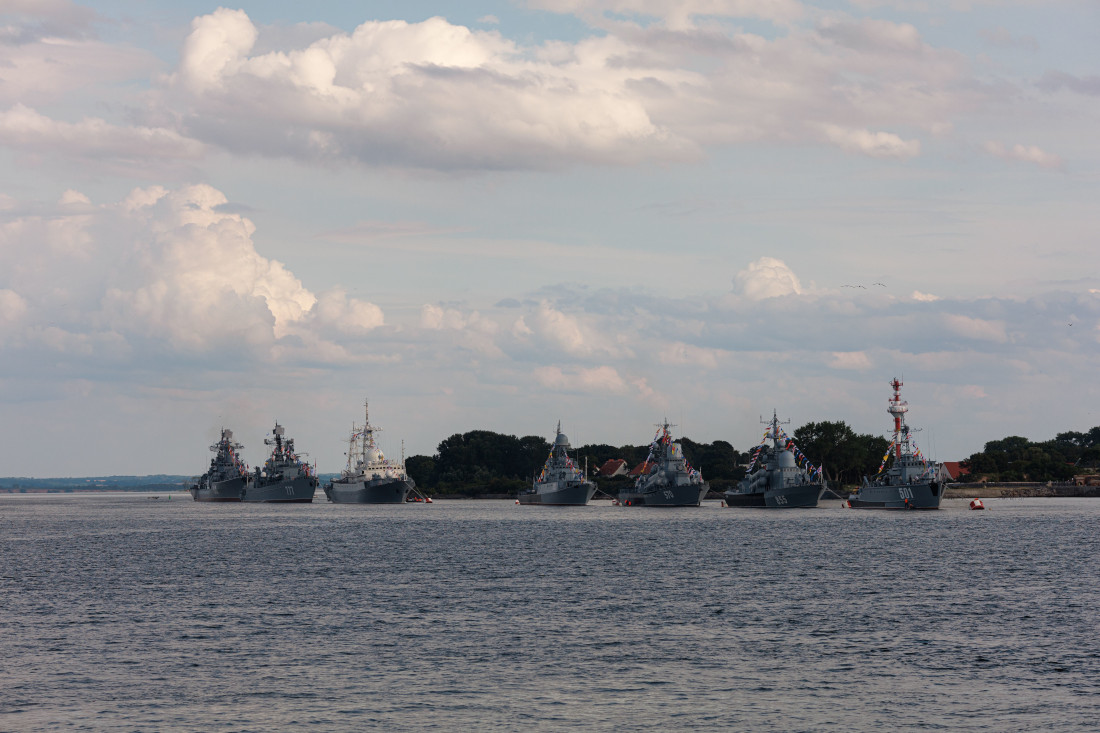
BOMBINGS of major ports. Blockades at key chokepoints. Attacks on cargo ships and relief boats. Damage to subsea cables threatening global communications. Displacement of coastal populations and destruction of civilian infrastructure.
Environmental damage and threats to underwater cultural heritage. Nuclear submarines, hypersonic missiles, unmanned maritime systems and cyber operations.
These are among the realities of modern armed conflict at sea, and they are likely to remain part of future wars.
International humanitarian law (IHL) is one of the main bodies of law governing naval warfare, alongside the law of maritime neutrality and other applicable rules of international law.
The Second Geneva Convention of 1949 specifically protects wounded, sick and shipwrecked members of armed forces at sea.
It also provides protections for hospital ships and medical personnel and requires parties to take measures to search for and care for the wounded and shipwrecked.
More broadly, the fundamental principles of IHL continue to apply at sea. Civilians and civilian objects must not be directly targeted, and attacks must comply with the principles of distinction, proportionality and precaution.
This protection extends to civilian vessels. Merchant ships and other civilian vessels are generally protected from attack unless they become military objectives, such as by directly supporting military operations.
The same legal framework protects certain vessels, including hospital ships, rescue craft and coastal fishing vessels, under specific circumstances.
Blockades are not prohibited outright, but they are subject to strict rules. They must be declared, effective and applied impartially, and cannot have the purpose of starving civilians.
Where a civilian population is inadequately supplied, humanitarian relief must be allowed subject to the applicable legal arrangements.
The freedom of navigation and rights of neutral states must also be respected within the limits of international law. Even as new technologies transform warfare, the basic rules governing the protection of civilians and civilian objects remain applicable.
For Malaysia, this matters.
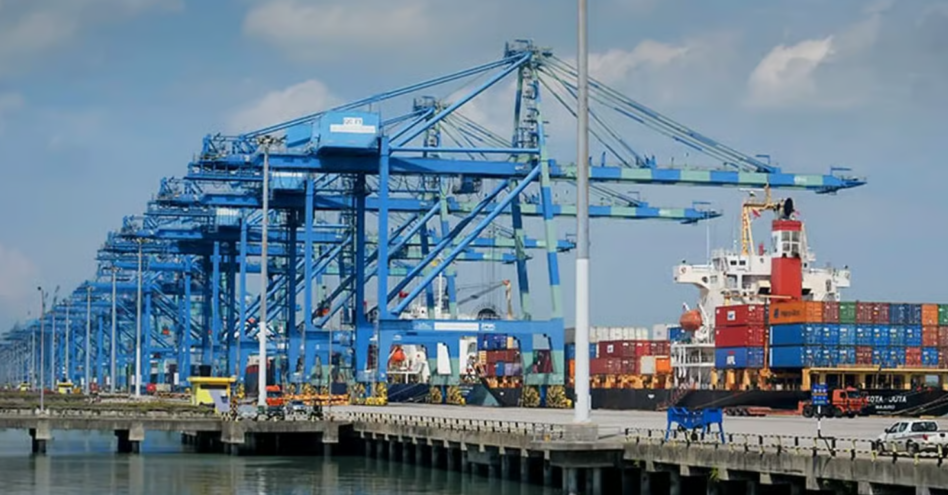
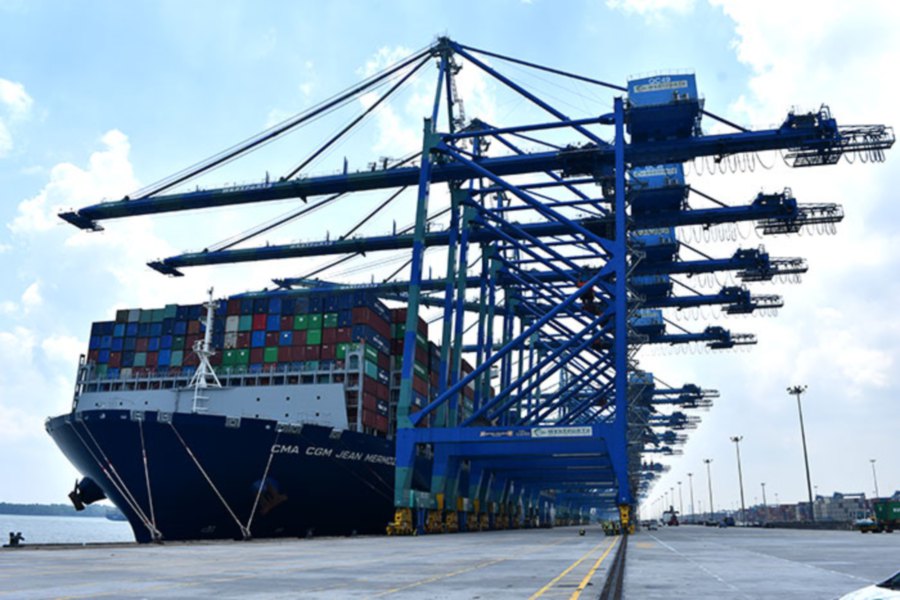
As a maritime nation with two of the world’s busiest container ports and coastlines bordering some of the world’s busiest sea lanes, crisis preparedness at sea is increasingly important. Port Klang and Tanjung Pelepas ranked 10th and 15th respectively in Lloyd’s List’s 2025 ranking of the world’s busiest container ports.
Malaysia’s exposure to maritime disruption is therefore not theoretical. Conflict elsewhere can affect shipping routes, supply chains, energy security, communications and humanitarian movement far beyond the immediate battlefield.
Our preparedness must reflect that reality.
Legally, Malaysia already has a domestic framework giving effect to the four 1949 Geneva Conventions through the Geneva Conventions Act 1962.
The Act criminalises grave breaches of the Conventions, including wilful killing, and contains specific provisions relating to the treatment of protected persons. Malaysia has been a party to the four Geneva Conventions since 1962.
Rather than assuming that the existing framework is sufficient, Malaysia should review whether its laws, policies and operational procedures adequately address contemporary armed-conflict scenarios, including maritime emergencies and the protection of humanitarian action.
Operationally, military and civilian authorities and other security actors should be prepared to function beyond ordinary law-enforcement and peacetime crisis-response models.
They need to understand how their responsibilities change when an incident occurs in the context of an international or non-international armed conflict.
Humanitarian and civil society organisations also need to be prepared for the particular challenges of delivering assistance to people affected by conflict at sea.
Judicial and legal actors should likewise be equipped to navigate the interaction between domestic law and international legal obligations so that accountability and justice do not disappear when conflict crosses jurisdictions.
The humanitarian consequences of naval conflict cannot be understated.
Wars today are fought across multiple domains, and their effects travel well beyond the battlefield.
Malaysia is already exposed to the consequences of maritime conflicts and disruptions further afield, precisely because of the country’s dependence on international trade and maritime connectivity.
That should be enough reason for humanitarian considerations and compliance with international law to be integrated into Malaysia’s national security planning, rather than treated as an afterthought.
The sea may be where a conflict begins, but its consequences do not stay there.
For Malaysia, preparing for war at sea must therefore mean more than preparing to fight. It must also mean preparing to protect civilians, sustain humanitarian action, preserve essential connectivity and uphold the law when the waters become dangerous.
Because no war at sea stays at sea.
The author, Aisya Abdul Rahman is a Senior Lecturer of Practice in International Law at Universiti Malaya, and is a legal professional with significant experience supporting regional and national decisionmakers, policymakers and stakeholders in understanding and applying international law.
The views expressed are solely of the author and do not necessarily reflect those of MMKtT.
- Focus Malaysia.

No comments:
Post a Comment
Note: Only a member of this blog may post a comment.