


Washington has four demands for Malaysia to fulfil for reductions on the US tariffs, Investment, Trade and Industry Minister Tengku Zafrul Abdul Aziz revealed.
“The US agrees (to reduce the tariffs) if there is an agreement on issues that the US can agree on.
“In this negotiation, there is a win-win situation. We have to give and take - it has to be reciprocal,” he told a press conference in Parliament today.
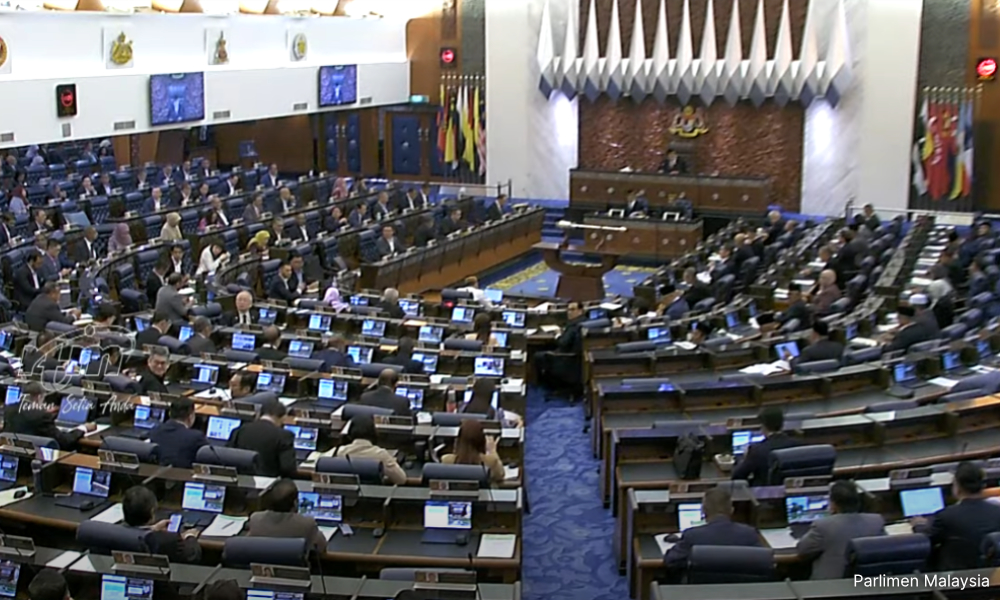
The press conference was held after a special parliamentary sitting on the tariffs.
Zafrul said the demands span four areas: the US’ trade deficit with Malaysia, non-tariff barriers, technology safeguards, and investments.
“Based on their data, they have a trade deficit with Malaysia amounting to US$25 billion (RM105.25 billion),” he said.
‘Deficit, barriers, tech safeguards, investment’
Non-tariff barriers include, for example, the long process to obtain a halal certification, he added.
“It’s not about the halal certification, but the process itself (and) why it’s taking longer than other certifications,” he said.

Elaborating on the US’ demand to safeguard technology, Zafrul said the US had stressed the importance of not having its technology used by countries that it disapproves of.
“That’s why they have this exportership on chips, for example.
“... they want to make sure that countries like Malaysia, Singapore, and Indonesia do not allow those chips to be shipped or smuggled to other nations,” he added.
The final demand is for Malaysia to invest in the US in areas that they approve of, he said.
“They want to see Malaysia invest in areas where they want us to support their industries. In this case, we are investing a lot.
“Today, the prime minister mentioned, even the government-linked companies and the government-linked investment companies alone have invested close to US$45 billion (RM189.4 billion) into the bond and equity markets in the US,” he said.
Apart from the matters mentioned by Zafrul, a US government report in March lists several other issues as barriers to US trade with Malaysia.
This includes high excise taxes and restrictive import restrictions for alcoholic beverages and motor vehicles, and limits on foreign ownership in firms operating in some sectors of the economy.
Objective: Complete tariff removal
On April 3, US President Donald Trump announced that all imports into the US would be slapped with a baseline 10 percent tariff.
Starting April 9, the US imposed higher tariffs at “half” the purported amount that was imposed by other countries on US exports.
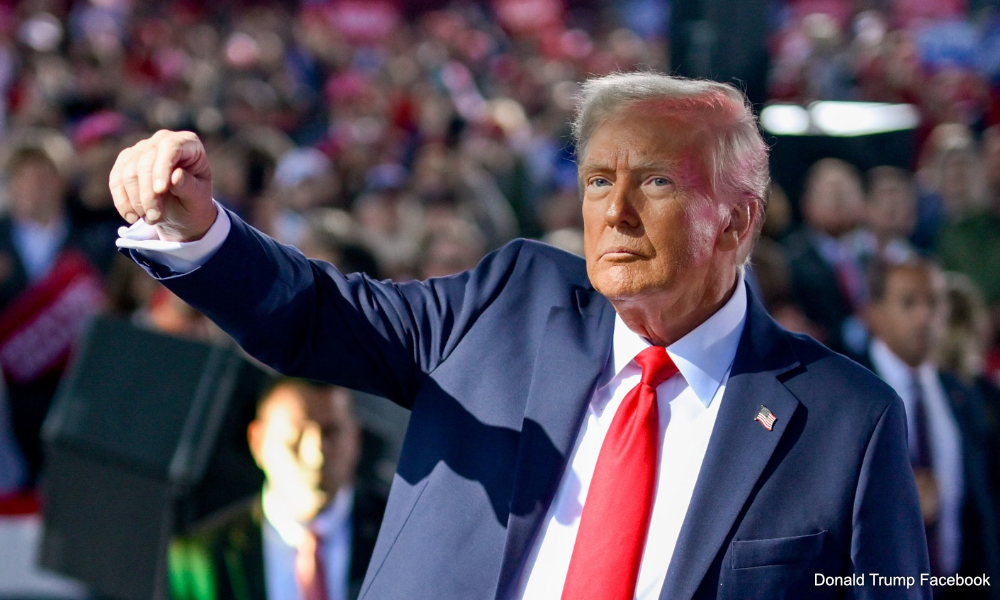
The move saw the US slapping “reciprocal tariffs” of 24 percent on Malaysia.
Zafrul said that Malaysia’s objective in the negotiations with the US is to eliminate tariffs completely, not just reduce them.
On another issue, the minister said the level of trade in March is unsustainable, and he does not expect the momentum to continue.
Zafrul believed that the numbers were caused by companies looking to unload their stock or stock up ahead of the tariffs.
“So I don’t think that the number that you see in March was a record number. I don’t think that is sustainable going forward.
“So the short answer to your question is, I don’t think it will be as strong going forward,” he admitted.
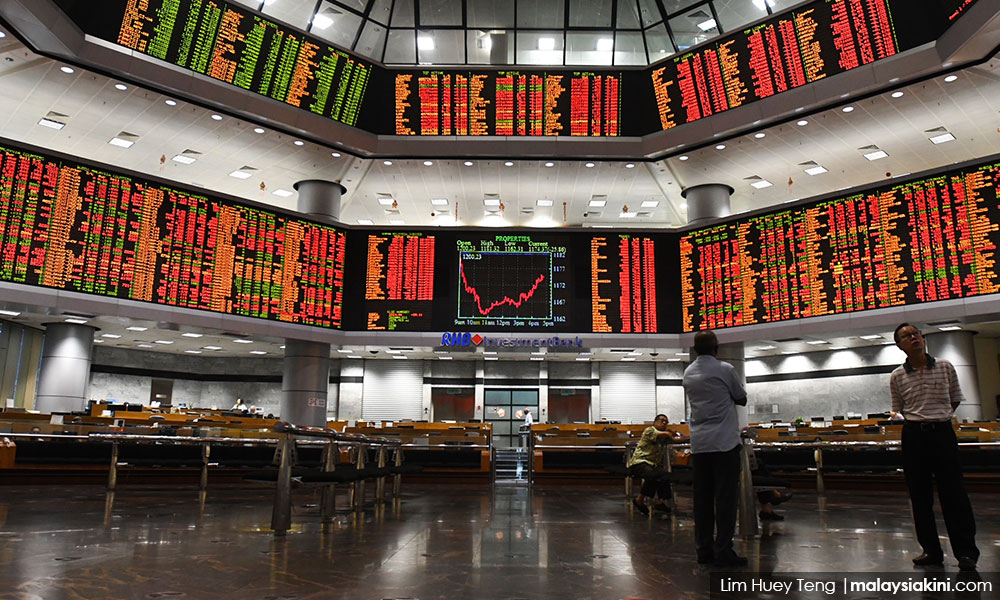
He said this was based on revised numbers from the International Monetary Fund (IMF) and the World Bank.
On April 18, the Malaysia External Trade Development Corporation (Matrade) said March this year recorded the highest monthly total trade.
“Total trade rose 2.2 percent (RM249.89 billion),” it said.
“This was driven by a 6.8 percent rise in exports (RM137.31 billion), also a record high for March, while imports dropped 2.8 percent (RM112.59 billion).
“Trade surplus, recorded for the 59th successive month, surged 94.4 percent (RM24.72 billion), the highest since June 2023.” - FMT

No comments:
Post a Comment
Note: Only a member of this blog may post a comment.