


Former prime minister Muhyiddin Yassin once declared that he was Malay first. That statement by itself was innocuous.
The question I would have asked him when he was prime minister was whether he was prime minister for all Malaysians.
Tunku Abdul Rahman was clear on that point. He declared himself as the prime minister for all Malaysians. Where does it leave Malaysians when our leaders do not regard themselves as leaders for all Malaysians?
I am Malaysian.
I am a Malaysian of Indian descent. My parents were born in Malacca. My father served in the civil service, working in telecommunications. My mother was a nurse. Most of my aunts and uncles were teachers or government officers.
The civil service was my family’s calling, our contribution to a young and hopeful nation.
Melting pot
I grew up in a government housing estate. My neighbours were Malays, Chinese, Indians, and Eurasians. Children played together on the sports fields scattered through the estate - football, hockey, badminton, and kite flying, top spinning or marbles - everyone just turned up and joined in.
During festivals, trays of cakes, sweetmeats, and oranges went from house to house. Hari Raya, Deepavali, Christmas, Chinese New Year - every celebration was everyone’s celebration. I remember all the ladies in the neighbourhood helping with the cooking for the wedding of a Malay neighbour.
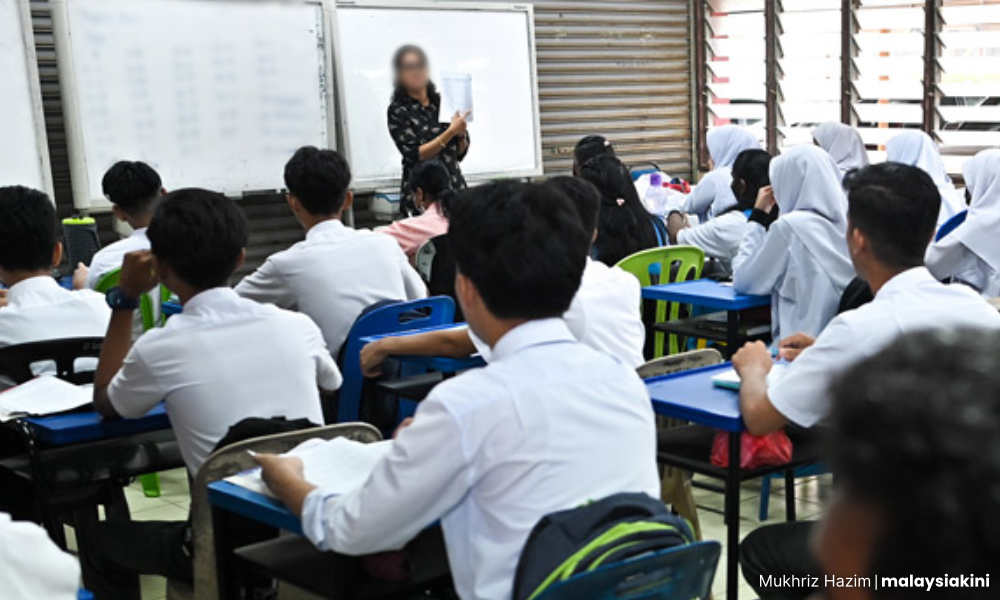
At school, we were classmates before we were anything else. Many of us studied in mission schools. Religion was never forced on anyone. We respected each other’s beliefs.
At university, life was no different. Kitchens in halls of residence cater to religious dietary needs. Friendships transcended race and faith. We were sensitive to differences, but those differences never divided us.
We were proud to be Malaysians, even as we were different ethnically, culturally, and religiously. Religion was not a barrier to friendships.
Racism existed, yes - but it was quiet, covert, not mainstream. Discrimination sometimes showed up in employment or housing policies, but over time, many of these imbalances were corrected, especially after the implementation of the New Economic Policy (NEP), which opened education and opportunities to rural Malays and the disadvantaged.
Yet, somewhere along the way, we began to drift apart.
New divides
It is no longer a simple question of Malay versus non-Malay. The divide now cuts across every community. The Malays are divided between conservatives and liberals. The Chinese are divided between those who see Malaysia as home and those who consider emigration as a solution.
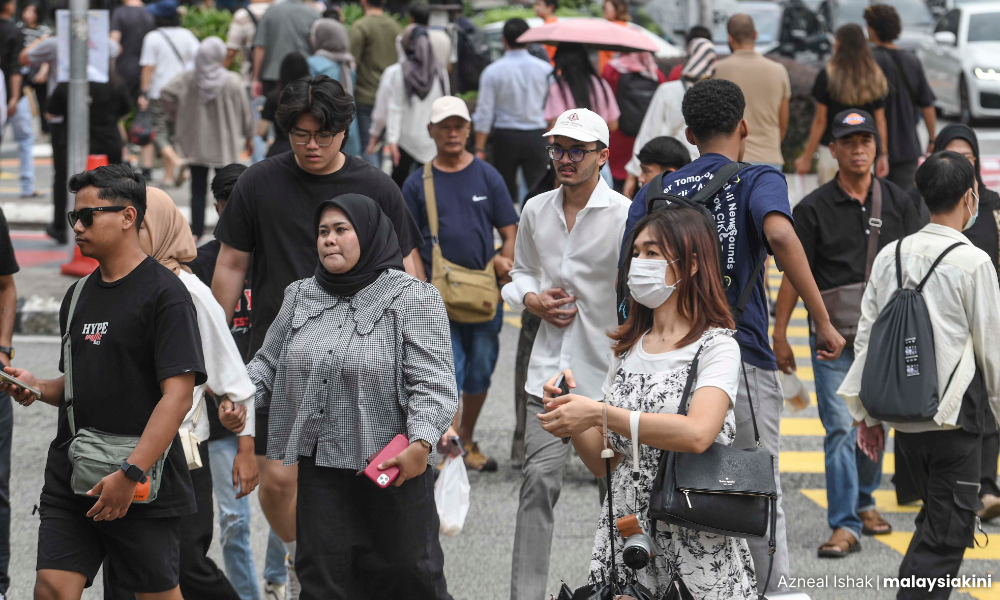
The Indians, once bound together by their struggles, are now fractured by class, religion, and political indifference.
Identity politics and fear
Our politics remains largely anchored in race. Parties rise and fall on ethnic lines. Instead of nurturing a common identity, leaders have found profit in stoking fear of the other - fear of losing privilege, status, or cultural identity.
Religion, too, has been drawn into the contest for political legitimacy, transforming faith from a personal belief into a political weapon.
What began as a noble effort to correct historical injustices has hardened into permanent division. The NEP’s spirit was justice, to correct historical imbalances. Its flaw is that it has excluded the poor from the other races.
It created exclusive enclaves. Its success in uplifting many Malays also created resentment within the Malay community itself as a new elite emerged, disconnected from the rural poor.
2. Economic imbalances and power of the market
The private sector, historically dominated by Chinese business owners, had its own forms of bias. Employment and promotion often favour familiarity - language, networks, or background - over pure merit.
This is not always malicious; it is human nature to trust your own kind. But the effect is exclusionary. Non-Chinese find themselves blocked by invisible barriers, just as many Chinese and Indians face obstacles in the public sector. Does being Malaysian count for nothing?
Thus, discrimination wears many faces. It is not confined to one race or one policy. It is systemic, woven into hiring decisions, contracts, housing markets, and even social circles.
We must acknowledge the reality of racial prejudice if we are to bring all of us together as one. It is not all bad news. There are silver linings everywhere. There are Malaysians of all races, in all professions, in the private and public sectors, who dispense their services without regard for race.
This article is focused on exploring the dark corners of our nation.
3. Religious and cultural polarisation
There is growing rigidity around religion and culture. Public spaces are more segregated than before. Tolerance is being replaced by suspicion and dislike of differences. Religious expression is increasingly politicised, and identity has become a badge of belonging rather than a private path to the divine.
The beauty of Malaysia’s spiritual landscape - where mosques, churches, temples, and gurdwaras once stood side by side in harmony - is being overshadowed by narratives of religious exclusivity and supremacy.
4. The new battleground: Social media
Social media amplifies our worst instincts. Echo chambers fuel prejudice. Lies travel faster than facts. The Malaysia that once lived in shared spaces and open houses now exists in isolated communities or digital bubbles.
We no longer meet, listen, or share. We scroll, react, and retreat. Some use any pretext, however small, to attack. The very tools that could connect us have instead deepened our divisions.
The way forward
To rebuild what we once had, we must act on several fronts.
1. Reclaim shared spaces
We must deliberately create opportunities for Malaysians to interact - through education, sports, cultural events, and community projects. Integration cannot happen through policy alone; it must be lived daily. Children who play together rarely grow up to hate each other.
2. Reform education
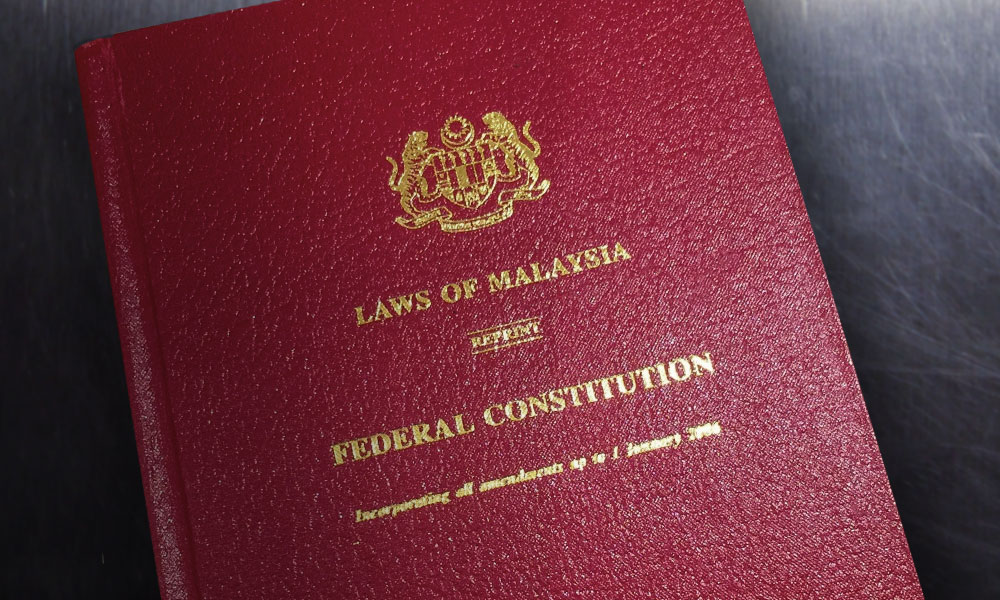
Education is the seedbed of unity. Our history books must tell everyone’s story. Our civic education must teach the meaning of the Constitution, not just the letter of it.
Interfaith and moral education should focus on empathy, not dogma. Schools must again become the melting pots they once were.
3. Build an inclusive economy
Economic policies must be based on need, not race. The poor Malay farmer and fisherfolk, the struggling Chinese hawker and market gardener, the Indian gardener and estate worker, the Orang Asli forest dweller, the indigenous people of Sabah and Sarawak, the Eurasians, the Malacca Chitties, all deserve equal concern.
The NEP’s noble aim - to eliminate poverty - must evolve into a new policy that uplifts all Malaysians regardless of race.
4. Reaffirm shared values
Moderation, respect, and compassion are Malaysian values. They live in our religions, our proverbs, our customs. We need leaders who will speak to our good sides, not just to our darkest fears.
Being Malaysian first
To be Malaysian first is not to deny one’s heritage. It is to understand that being Malay, Chinese, Indian, Eurasian, Malacca Chitties, Kadazan, Melanau or Dayak or Orang Asli, are all expressions of one national soul.
Our diversity is not a problem to be managed; it is a strength to be celebrated. Many of us are already multilayered culturally. The mix is powerful.
Being Malaysian first means standing up for fairness wherever injustice appears - whether in the public sector, the private sector, or in the attitudes we pass to our children.
It means having the courage to say: we are all part of this story, and none of us can write it alone.
The future we must choose
Malaysia’s future can still be bright. We have lived the dream before - you and I have seen it. We have experienced unity in our childhoods, in our classrooms, in our friendships. We know it is possible.
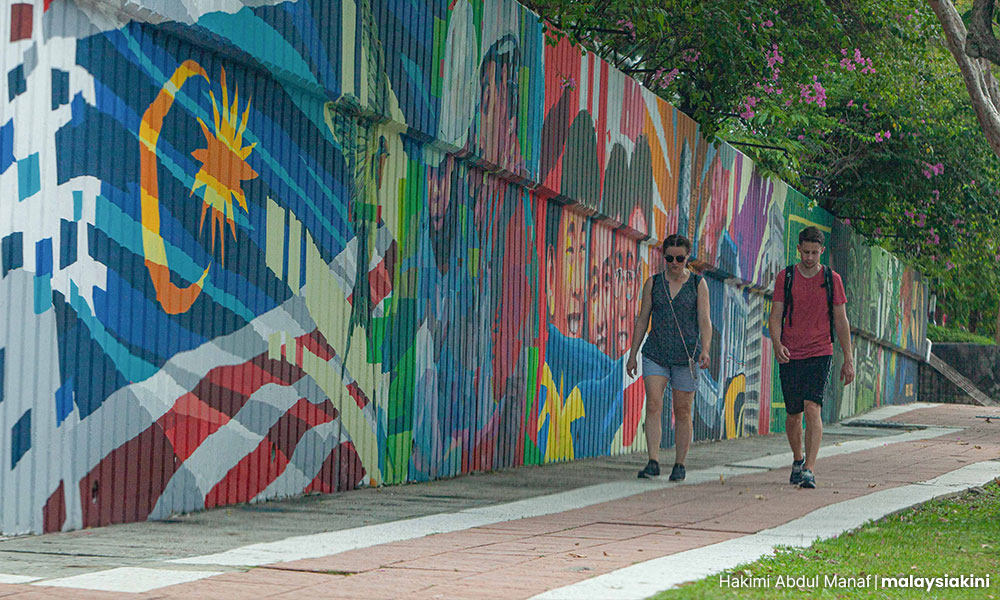
The question is not whether Malaysia can survive its diversity. It is whether Malaysians can reclaim their humanity, humility, and the joy of harmonious existence.
To be Malaysian first is not about bloodline or birthplace. It is about belonging - to one another, to our shared struggles, and to the promise of a better tomorrow.
Can all of us and our leaders be Malaysians first? - Mkini
DAVID DASS is a lawyer, Malaysiakini subscriber, and commentator.
The views expressed here are those of the author/contributor and do not necessarily represent the views of MMKtT.

No comments:
Post a Comment
Note: Only a member of this blog may post a comment.