


Tamil schools have long stood as beacons of cultural preservation and educational empowerment in Malaysia. Tamil schools in Malaysia, once relegated to the margins, are now experiencing a resurgence, particularly among Indian parents in urban areas.
They embody the soul of a community, the heartbeat of a people, and the enduring legacy of Tamil education.
In recent years, Tamil schools in the Klang Valley have reported a steady increase in student enrolment, signalling renewed interest and relevance.
Deep connections
Historically, Tamil vernacular schools predate Malaysia’s independence and are deeply intertwined with the economic fabric of colonial Malaya.
During the British era, rubber plantations thrived on the labour of Indian workers brought from South India.
To maintain morale and stability among these workers, Tamil schools were established across the estates of Peninsular Malaya.
Following independence in 1957, the right to vernacular education was safeguarded in the Federal Constitution.
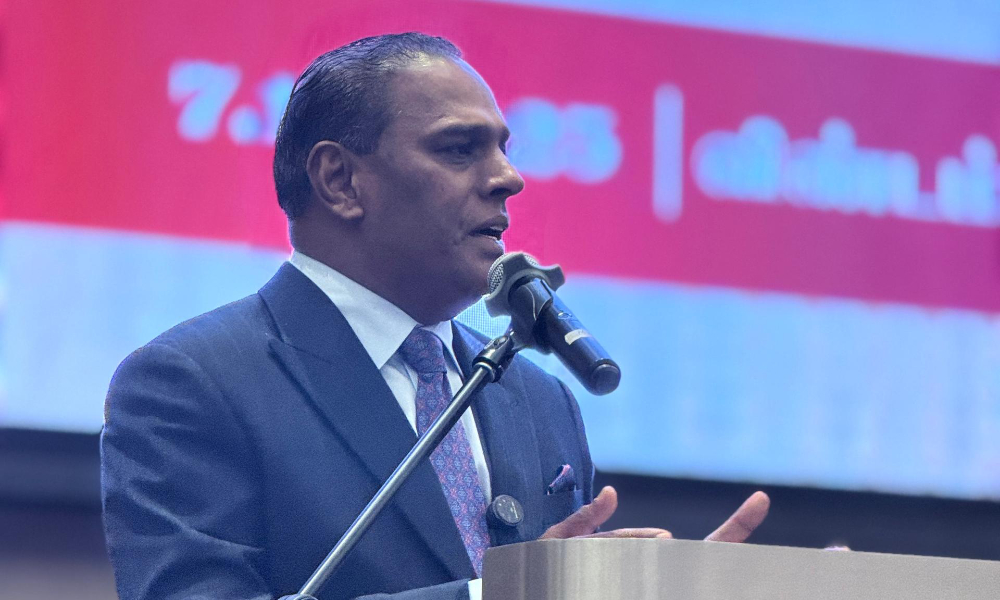
This legacy of Tamil schools was celebrated with the launch of the book “Glorious History of Tamil Schools”, officiated by MIC deputy president and Tapah MP M Saravanan.
More than a mere chronology of events, the book captures the spirit and resilience of Tamil schools and the communities they serve.
From the first Tamil class held at Penang Free School in 1816 to the founding of SJK(T) Jawa Lane in Seremban in 1897, these institutions have withstood the test of time.
At their peak in 1957, Malaysia had 888 Tamil schools. Today, that number has declined to 528.
Challenges, transformations
Over time, however, Tamil schools faced numerous challenges and transformations.
As rubber demand declined and land values soared, many plantations were sold off.
The Indian labour force gradually migrated to urban areas in pursuit of better opportunities.
This shift led to a drop in Tamil school enrolment. Schools with fewer than 10 students were often closed, while others were relocated to urban zones where Tamil populations remained strong enough to sustain them.
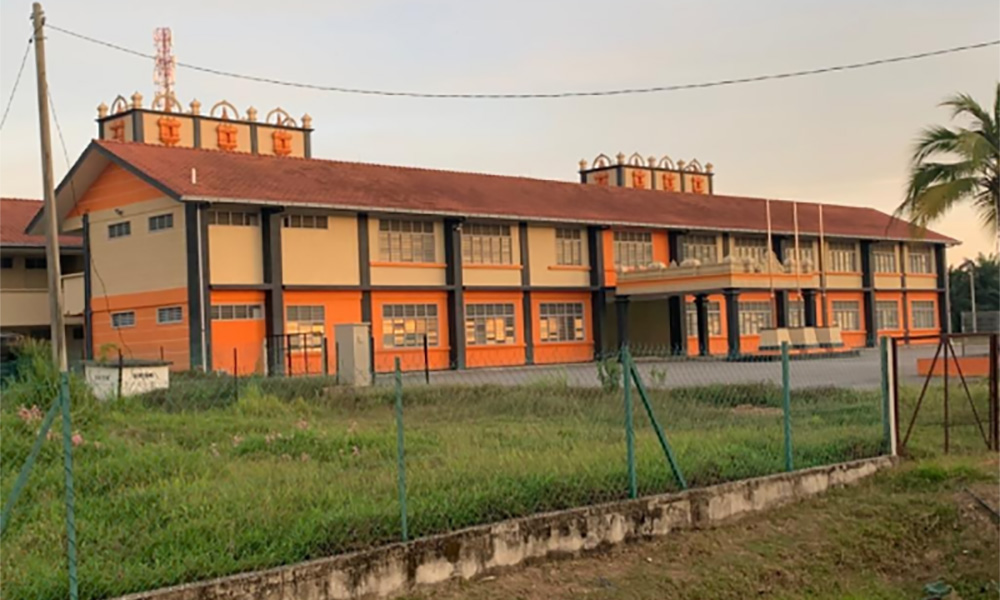
Today, Tamil vernacular schools are showing remarkable progress. Academic standards have improved significantly, and students have earned accolades in innovation competitions both locally and internationally.
The book, compiled by former Tamil school organiser AS Paskaran, presents compelling facts:
Schools lost due to estate displacement and fragmentation - 135
Schools merged into joint institutions - 66
Several were converted into national schools
In 2016, six new Tamil schools were approved under the leadership of then prime minister Najib Abdul Razak
These figures are more than statistics-they represent disrupted communities, children deprived of access to education, and a cultural heritage in need of protection.
Despite their historical significance, many rural Tamil schools continue to face challenges such as inadequate infrastructure and low enrolment.
Strengthening these institutions demands more than policy - it requires passion, commitment, and collective responsibility from both the government and the Indian community.
True leadership
During the launch, Saravanan raised a poignant concern: some leaders claim to serve the Tamil community yet cannot read or write in Tamil.
Without understanding the language, he asked, how can one truly connect with the struggles and aspirations of the people?
True leadership, he emphasised, must be grounded in empathy, cultural fluency, and lived experience.
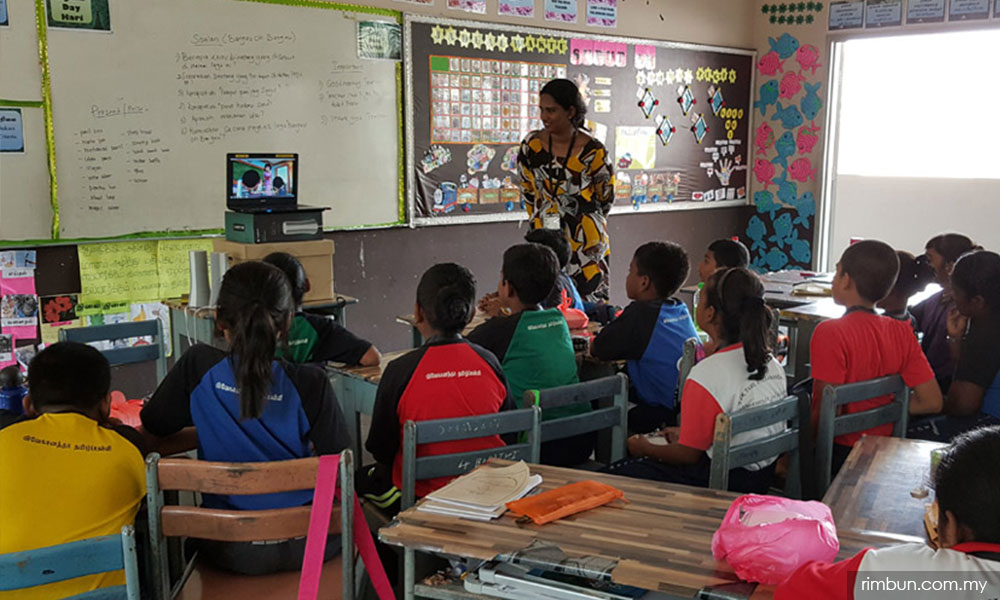
Tamil schools have imparted more than academic knowledge - they have cultivated leadership, resilience, and pride. They gave voice to the voiceless and hope to the humble, often operating with limited resources but boundless dedication.
“Glorious History of Tamil Schools” is a tribute to this journey. It preserves historical truth, celebrates the triumphs of the community, and affirms that Tamil schools are not relics of the past, but living institutions that continue to evolve and inspire.
Let us honour the educators who shaped minds with chalk and conviction.
Let us support the schools that continue to serve with dignity and depth.
And let us ensure that future generations inherit not just buildings, but a legacy of learning that uplifts and empowers. - Mkini
M VIVEKANANTHAN is an aide to MIC deputy president and Tapah MP M Saravanan.
The views expressed here are those of the author/contributor and do not necessarily represent the views of MMKtT.

No comments:
Post a Comment
Note: Only a member of this blog may post a comment.