


Nearly all 855 private healthcare specialists surveyed by an online health portal disclosed that their patients had faced various health insurance problems over the past year.
This is amid a push by the Health Ministry and other authorities to pursue reforms aimed at shifting the burden from public hospital services towards a system with more private and insurance involvement.
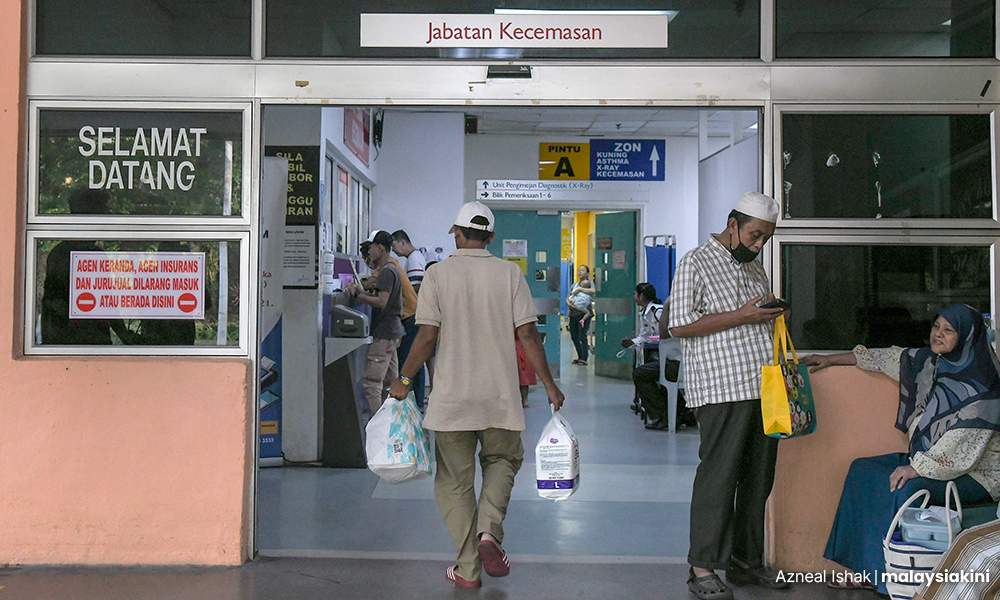
According to the findings from CodeBlue’s poll, titled “Survey for Private Specialists: Health Insurance Issues Faced By Your Patients in Private Hospitals”, 99 percent of medical experts who took part in the poll said their patients encountered issues with health insurance in the past year.
A report on the findings, released yesterday, detailed that most of the reported problems include delayed approvals for guarantee letters or claims, as well as denials of inpatient care, treatment, procedure, or diagnostic tests.
“Nearly six in 10 (of those surveyed) said their patients face problems with health insurance coverage for procedures, (while) over 50 percent had one to five patients facing health insurance coverage problems a month on average over the past year,” the report stated.
“For the majority, their patients who faced health insurance denials or delays ended up delaying treatment, switching to public hospitals, or were unable to afford treatment.”
The report noted that all major medical specialities were represented in its survey. Nearly three in four respondents were men, while over half practice in the Klang Valley and more than half have over 10 years of experience in private practice.
The poll, conducted from Sept 25 to Oct 5 and featuring 20 questions, also found that 99 percent of the survey participants perceived interference from insurers and takaful operators (ITOs) or third-party administrators (TPAs) with their clinical decision-making.
Over 50 percent had encountered ITOs or TPAs denying coverage of various medicines or therapies, such as innovator drugs, for their patients, while 67 percent had experienced guarantee letters being revoked or denied for their patients after admission or treatment.
“Over eight in 10 find that health insurance claims officers barely understand diagnosis or treatment (and) more than six in 10 face pressure from insurance agents seeking coverage for patients, (while) half spend two to five hours a week on health insurance paperwork for their patients,” the report added.
Healthcare costs overhaul
The survey’s findings followed the Health Ministry, Finance Ministry, and Bank Negara Malaysia’s announcement of their Reset programme in June, with the initiative meant to represent a reform framework to overhaul the nation’s healthcare financing system and curb escalating costs.
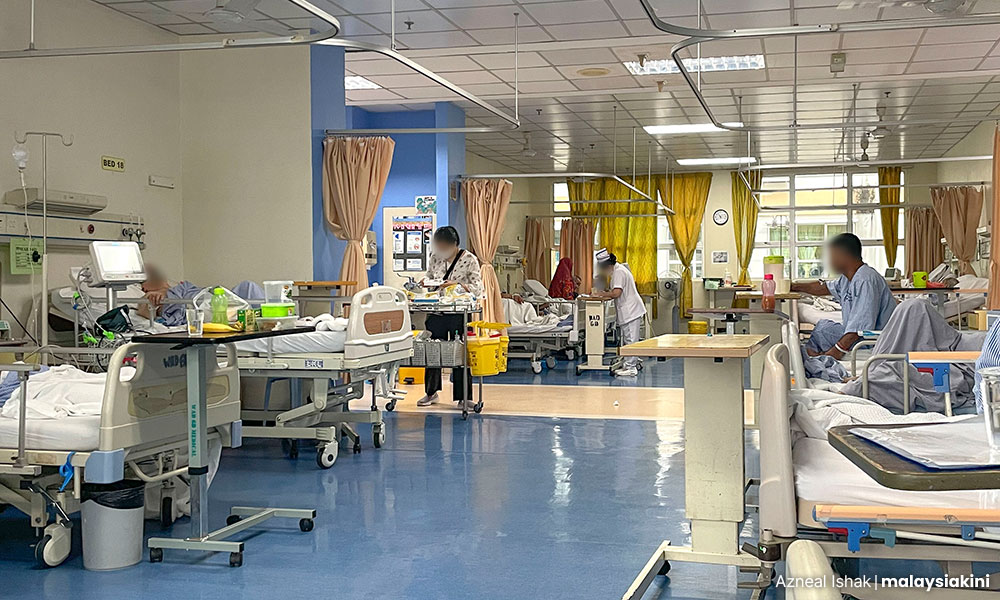
Under the programme, which comprises five strategic thrusts and 11 initiatives aimed at restoring balance to the healthcare cost ecosystem, key components include the rollout of a medical and health insurance takaful base product to provide affordable and essential coverage.
Other moves under the programme include a diagnosis-related group (DRG) payment model to standardise costs across facilities and promote greater transparency in medical billing within private hospitals.
The DRG system is also expected to streamline payments to healthcare providers and curb overcharging or unnecessary procedures.
The Reset framework further involves collaboration between public and private sectors to strengthen digital health infrastructure, improve data sharing, and reduce inefficiencies such as repeated diagnostic tests.
Authorities said the reforms are intended to ease congestion in public hospitals by making private care more accessible and sustainable, while ensuring patients continue to receive quality and affordable treatment.
Better patient protection needed
Health policy observers, however, had previously warned that without stronger regulation of insurer practices and better protection for patients, Malaysia’s shift toward greater insurance participation could risk replicating existing inefficiencies in the private healthcare system.
Such concerns appear reflected in CodeBlue’s survey, which found insurers frequently deny inpatient coverage, insisting on daycare or outpatient treatment even for major surgeries requiring post-operative monitoring, while also rejecting claims for outpatient procedures such as radiotherapy.
“Pre-existing conditions”, most commonly diabetes, were cited as grounds for denial, even when unrelated to the admission diagnosis, such as dengue, pneumonia, or fractures.

Doctors also reported insurers refusing to cover essential diagnostic tests while demanding unnecessary investigations, causing delays to surgeries, admissions, and critical interventions.
Some ITOs and TPAs were said to impose blanket “generic-only” mandates, yet denials extended to both innovator and generic medicines, including semaglutide for Type 2 diabetes, on claims they were “non-medical” or “non-indicated”.
Coverage was also denied for policies under two years old, despite agents allegedly assuring otherwise. Guarantee letters were reportedly revoked even after treatment, forcing patients to seek care in government hospitals or bear unpaid private hospital bills.
The full report on the survey’s findings can be accessed here. - Mkini

No comments:
Post a Comment
Note: Only a member of this blog may post a comment.