


Why is the sugar subsidy, which burdens the government’s coffers by up to RM500 million a year, being continued - especially when diabetes has already become a national crisis?
And why does the government maintain the subsidy when there are companies that can sell it at a cheaper price even without subsidies?
The above are among the questions confusing even officers within the Domestic Trade and Cost of Living Ministry.
“The Madani government’s decision to continue the sugar subsidy is baffling,” said one ministry officer, who requested anonymity.
The view was shared by several other officers who spoke to Malaysiakini on condition of anonymity.
“Actually, we in KPDN don’t understand the RM1 subsidy per kilogramme, or RM500 million supposedly to cover factory losses.
“This is because there are local companies selling sugar under the Rahmah Madani Sales Programme at RM2.70 per kilogramme.
“This price has no subsidy or other incentive, yet these companies are still making a profit.
“If other local companies can sell at RM2.70, why must the government bear RM1 per kilogramme subsidy for these producers?” asked the source.
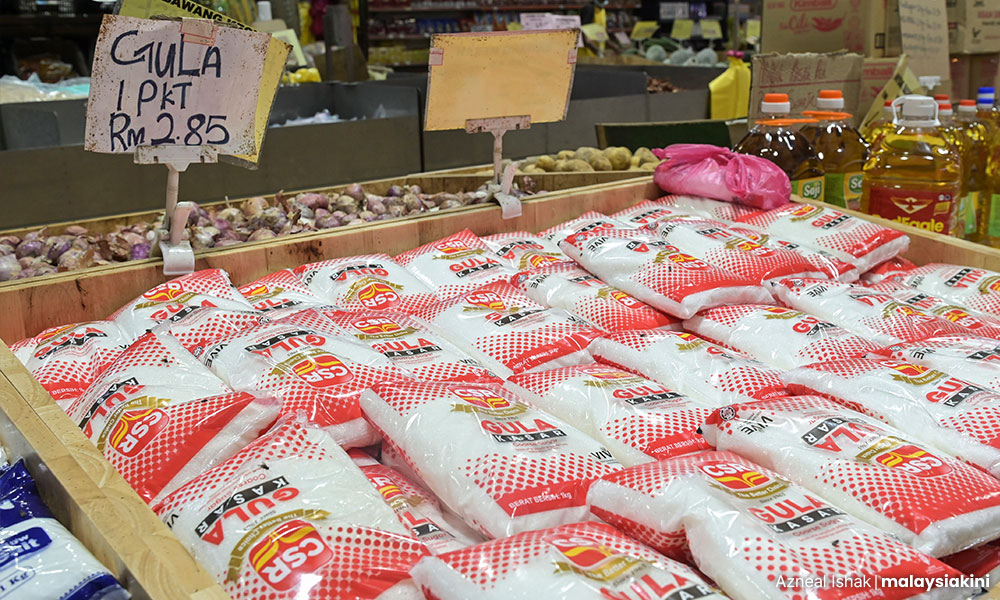
Sugar in the local market is sold at RM2.85 per kilogramme, with subsidy. The actual price is RM3.85.
‘Only allowed during Rahmah sales’
Meanwhile, one source showed several approved permit (AP) letters proving at least two local companies are selling sugar at RM2.70 per kilogramme, which 15 sen cheaper than the subsidised price.
According to the letters sighted by Malaysiakini, they are only allowed to sell during “Rahmah sales” events.
“The question is, why doesn’t KPDN allow these two companies to sell sugar in the open market when their price is lower than the market rate of RM3.85?” the source asked.
Malaysiakini’s attempts over two weeks to obtain comments from the ministry were unsuccessful.
However, despite the lower price, another ministry source did not see it as a good idea.
“The decision clearly contradicts the government’s campaign to reduce sugar consumption.
“On one hand, the government promotes reducing sugar, but KPDN allows sugar to be sold at RM2.70, 15 sen lower than the market price,” the source said.
Malaysiakini also contacted both companies for comment.
Previously, Domestic Trade and Cost of Living Minister Armizan Ali defended the government’s decision to provide sugar subsidy, citing manufacturers have suffered losses for the past three years due to rising costs.
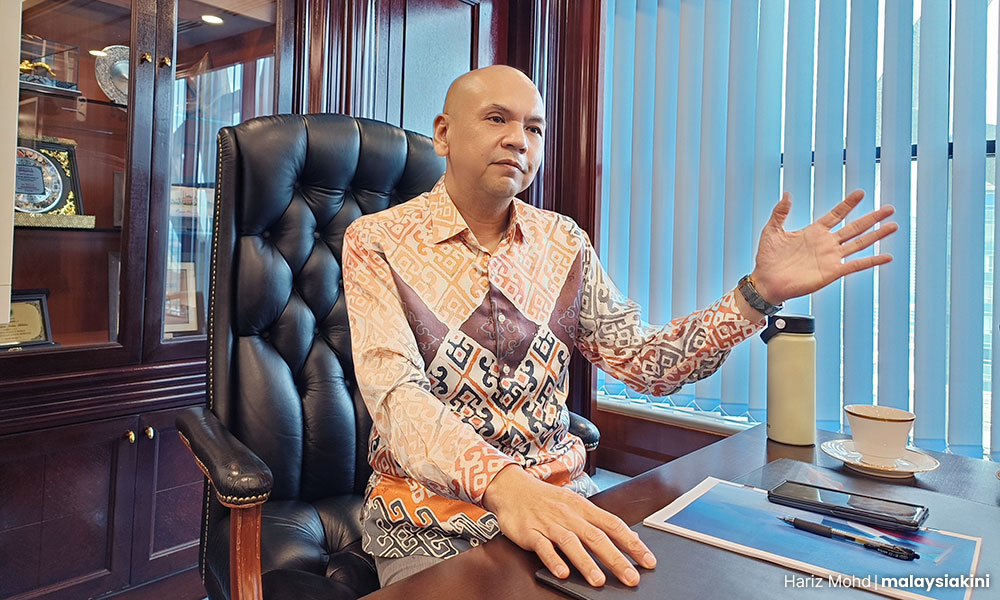
Armizan also confirmed that in 2023, his ministry relaxed AP conditions to allow any party to source raw sugar supplies at lower rates.
As a result, 43 companies were granted import quotas totalling 557,080 metric tonnes.
However, as of Dec 12, 2023, only five percent of that sugar supply had successfully been imported.
According to him, no party was able to secure raw sugar supplies, process them, and sell at the controlled price of RM2.85.
Irrational
Meanwhile, economist Muhammed Abdul Khalid said the government’s decision to spend RM500 million on sugar subsidy is irrational.
“It is a direct contradiction to our health and economic well-being.
“At a time when we must borrow almost entirely to finance development agendas, it is illogical to spend a significant portion of public funds on a policy that harms public health,” he told Malaysiakini.
The former economic adviser to then-prime minister Dr Mahathir Mohamad said such funds should be used to build hospitals and schools, not create a “diabetes crisis”.
Furthermore, he noted, the development budget for health only increased by RM7 million.
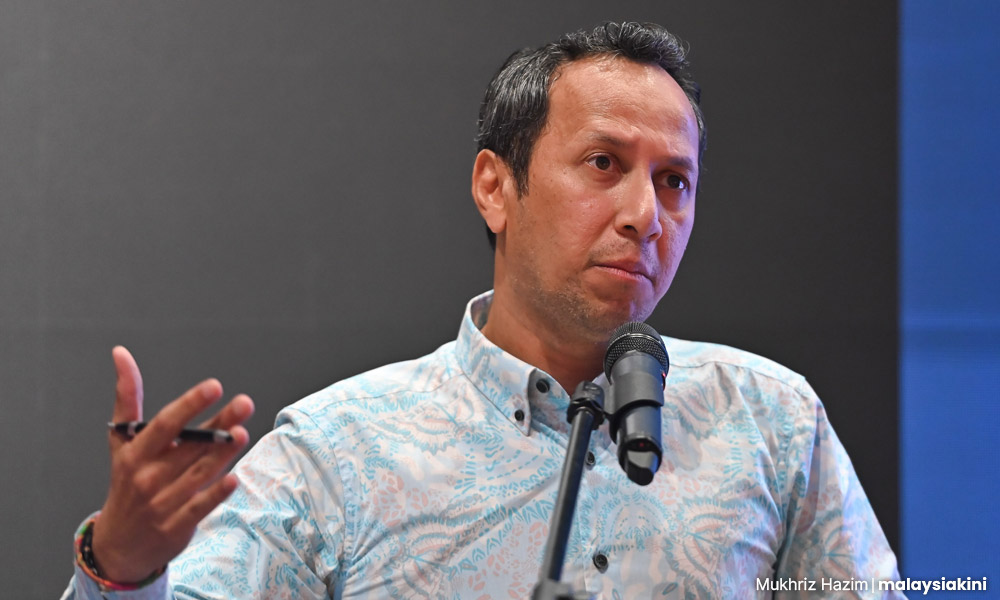
“With half of Malaysians overweight and one in five suffering from diabetes, our fiscal policy must support, not sabotage, our public health goals,” he stressed.
Muhammed also questioned why a half-billion-ringgit subsidy benefits only a few selected players.
“Even if there is no explicit collusion, the outcome is the same: it’s not fair competition.
“It also raises deeper concerns about transparency - whether such decisions truly serve public interest or merely protect entrenched corporate interests.
“The government should immediately abolish the sugar subsidy and scrap all AP requirements, liberalise imports, and allow prices to float,” he said.
Food security
However, Nik Ahmad Sufian Burhan of Universiti Putra Malaysia (UPM) holds a different view.
The head of the Department of Social and Developmental Sciences at the Faculty of Human Ecology said the government’s decision to provide incentives to two sugar companies must be understood within the context of social responsibility and national food security.
He said both companies are the main sugar producers, bearing the major responsibility of ensuring sufficient supply - including to rural areas that often face high logistics costs and low profit margins.
“The subsidies provided are not merely commercial advantages, but mechanisms to mitigate the effects of rising global raw material costs, energy prices, and exchange rates that could cause sugar prices to surge.
“Other companies that don’t receive subsidies are usually only involved in special programmes such as Rahmah Sales, which are small-scale and temporary.
“They do not bear national responsibility for daily consumer and industrial supply,” he told Malaysiakini.

He said this targeted approach allows the government to channel public funds more effectively while maintaining retail price stability.
In the long term, Nik Ahmad said, this policy helps ensure the sustainability of the local sugar industry, protect low-income consumers, and contribute to overall food welfare and security.
The companies involved, he added, also bear much higher operational costs, including manufacturing, labour, distribution, and nationwide storage.
“Therefore, the subsidy helps cushion the impact of international raw sugar price hikes and volatile exchange rates,” he said.
Nik Ahmad stressed the main goal of the subsidy is not to give extra profit to companies but to maintain price stability and prevent disruptions to local sugar supply.

“Without this support, consumers would feel the effects through higher food and beverage prices.
“From a public policy perspective, providing subsidies is a long-term social investment that balances consumer and industry interests.
“It also strengthens national food economic sustainability and contributes to public welfare, particularly for low-income groups most affected by food inflation,” he said. - Mkini

No comments:
Post a Comment
Note: Only a member of this blog may post a comment.