


SABAH POLLS | A wave of rejection towards peninsula-based parties saw Sabahans favouring local blocs in the regional election yesterday, where incumbent Gabungan Rakyat Sabah (GRS) cemented its hold on the land below the wind.
The "Sabah first" clarion call saw parties such as DAP and PKR of Pakatan Harapan, as well as Bersatu and PAS of Perikatan Nasional, which hold significant political territory in Peninsular Malaysia, being wiped out or losing in most of their contests.
These parties lost to either GRS, Warisan or independent Sabah candidates who had run on a platform of fighting for regional rights and greater political autonomy from Putrajaya.
In some of the most shocking defeats, DAP lost all eight of its contests, including six constituencies that it had won with large majorities in the 2020 election.
DAP’s tactic of bringing popular icon Lim Kit Siang out of retirement to canvas for Chinese voters was not enough to retain strongholds like Kapayan, Likas and Luyang, which the party had won since the 2013 general election.
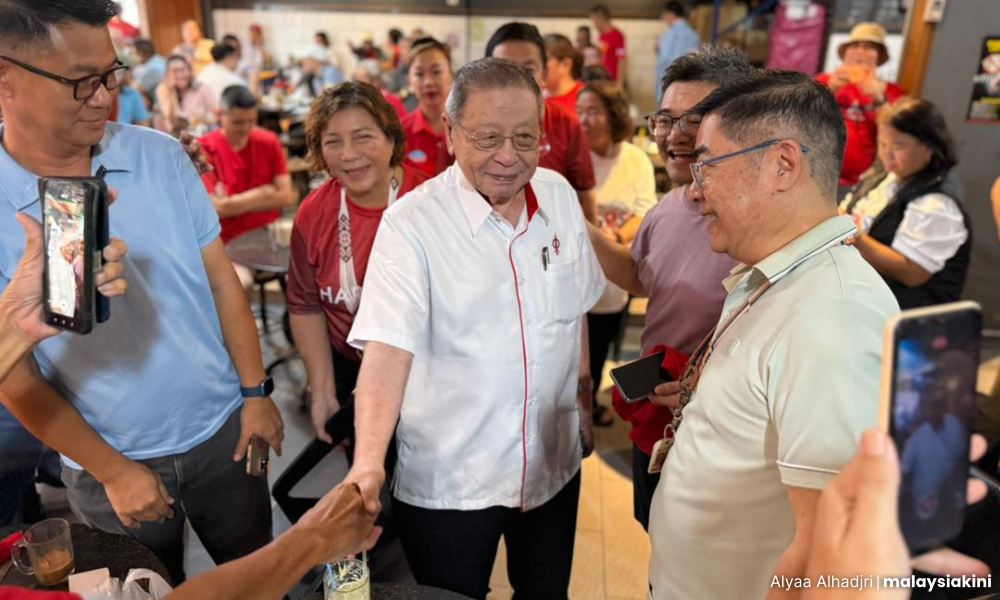
DAP had lost its constituencies to Warisan, while its partner, PKR, had lost all but one of the 13 seats it contested.
This is despite the fact that PKR president and Prime Minister Anwar Ibrahim had spearheaded the campaign for his party and its allies DAP and Amanah throughout the two-week campaign period.
Anwar’s bid to secure support from GRS and BN was not enough to help Harapan’s candidates.
Another casualty was PN, which had fielded candidates in 42 seats but only won one - a history-making victory by Islamist party PAS in Karambunai.
BN’s chapter in Sabah, which had aimed to displace GRS and Warisan in Muslim bumiputera-majority seats, had only managed to capture six out of the 45 seats it contested.
BN’s haul this time was fewer than the 14 seats it managed to win in the 2020 election and a far cry from the days when it managed to gain enough seats to rule Sabah on its own.
Incumbent’s advantage
GRS, a relatively new local bloc led by former Sabah Umno veterans, increased its tally to 29 seats from the 17 it won in the 2020 election.
Analysts and ground reporting had found that GRS, led by newly sworn-in chief minister Hajiji Noor, was able to leverage its incumbency and resources within the state government to become the top choice for Sabahans, especially in Muslim bumiputera-majority areas.
GRS’ main competitor, Warisan, led by former chief minister Shafie Apdal, has also increased its tally to 25 from the 23 it won in 2020. It was able to defend its territories on Sabah’s east coast, capture seats in the interior and take over urban constituencies from DAP and PKR.
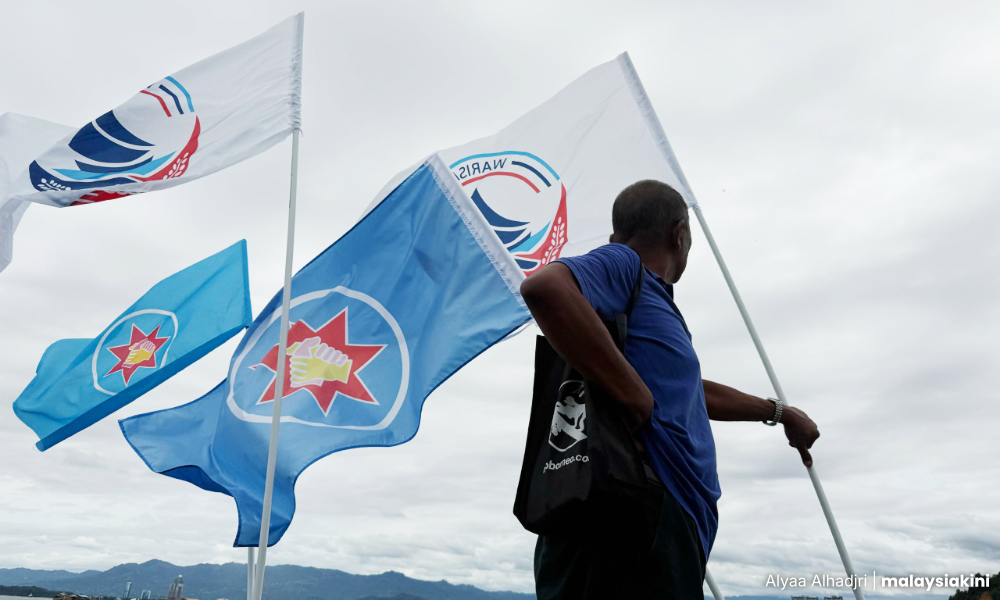
Parties that had banked on its ties to the significant Kadazandusun Murut community in the interior, such as Parti Solidariti Tanah Airku (Star), Upko and Parti Kesejahteraan Demokratik Masyarakat (KDM), only managed to win a handful of seats.
Upko won three seats, while Star and KDM gained two and one respectively, despite the fact that non-Muslim bumiputera voters make up the majority in about 21 seats.
In other contests, five independents managed to beat the odds and secure the seats of Bandau, Pintasan, Petagas, Tulid and Kukusan. - Mkini

No comments:
Post a Comment
Note: Only a member of this blog may post a comment.