


In my earlier article “Is democracy worth saving?”, I argued that democracy remains the only system of government that protects our dignity as citizens, gives us a voice, and allows us to correct the course of our nation peacefully.
But for democracy to endure, it must be held up by a complex architecture of institutions, norms, and values. Without these guardrails, democracy becomes hollow - easily manipulated, vulnerable to strongmen and plutocrats, and prone to decay.
A functioning democracy requires more than ballots every five years. It demands institutional reforms that secure the integrity of our governance.
Institutions must not serve the government of the day; they must serve the nation. Whether it is the Election Commission, the Attorney-General’s Chambers, the police, or the civil service, these bodies must be insulated from partisan influence.
Only when our institutions are impartial can citizens trust the system.
One of the first guardrails is a functioning legislative arm. Parliament must be more than a rubber stamp. It must be the heartbeat of public debate, oversight, and accountability.
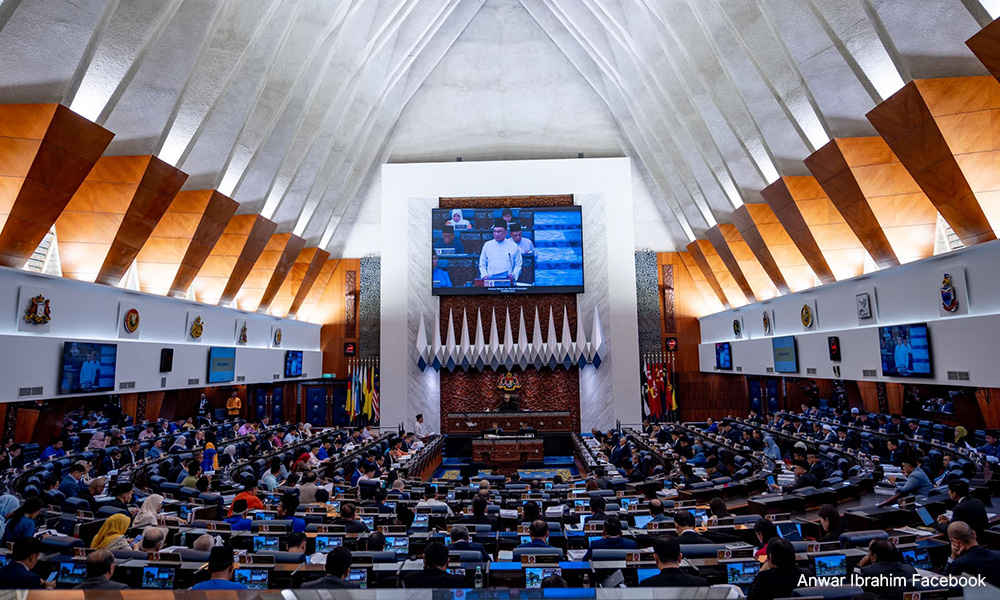
Parliamentary committees should be empowered, ministers held to scrutiny, and legislation subjected to rigorous, evidence-based debate. A weak Dewan Rakyat weakens democracy itself because it becomes easier for an executive to centralise power.
Not only should the Dewan Rakyat be empowered, but the upper house, the Dewan Negara, needs to be reformed to play its role to protect state interests in our federation.
Independent judiciary and free press
Next, a truly independent judiciary is indispensable. No democracy can survive when the courts bend to political pressure.
Judges must be appointed through transparent, merit-based processes, and the judiciary must have the courage to defend constitutional principles even when doing so is politically inconvenient.
The courts are the last line of defence for fundamental liberties; if the judiciary falls, democracy follows.
A free and vibrant press forms another essential pillar. Democracies require open debate, investigative journalism, and the ability to criticise those in power.
Without press freedom, corruptions are hidden and abuses of power are unchecked. Restrictive laws, media ownership concentration, and intimidation of journalists all weaken the public’s right to know.
A nation without press freedom is a nation unable to hold power to account.
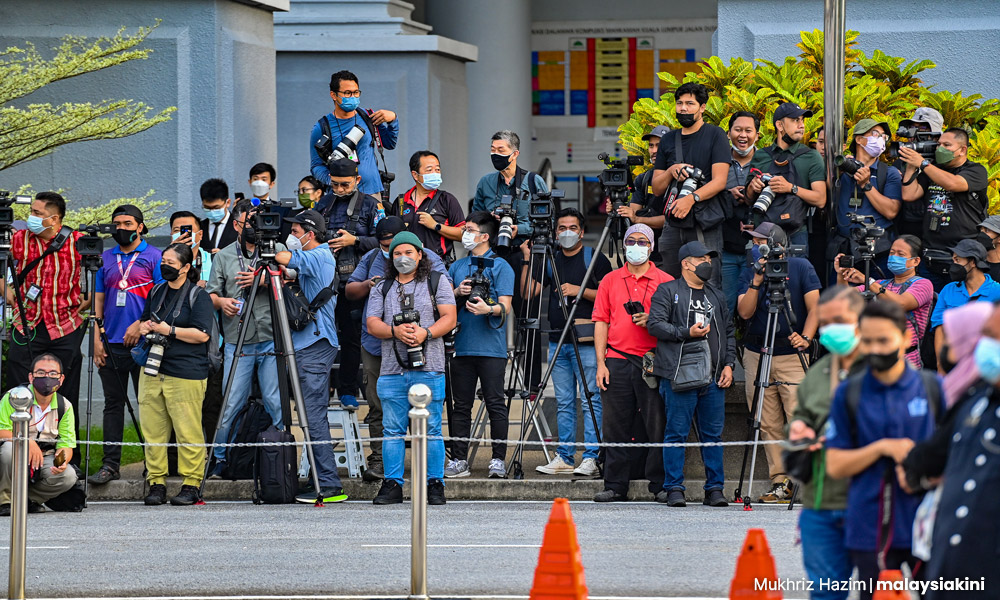
Alongside media, a strong civil society is necessary to keep democracy alive between elections.
NGOs, professional bodies, advocacy groups, and community organisations form the connective tissue between state and society.
They monitor abuses, champion reforms, and articulate the voices of marginalised communities. Civil society does not compete for power but for influence and often acts as the conscience of society - warning against democratic backsliding and threats to civil liberty.
Powerful civic knowledge
But institutions and NGOs alone are not enough. Democracy relies on an informed citizenry, which requires sustained investment in civic education.
Malaysians must understand how their government works, what their rights are, and why checks and balances matter.
An informed population can hold its elected representatives accountable at the ballot box and is not easily manipulated by disinformation and populists who prey on their grievances to gain power.
Similarly, democracy thrives when ordinary citizens organise at the grassroots level. Active community and citizen groups - environmental coalitions, neighbourhood committees, youth movements, parents’ associations - create a culture of participation.
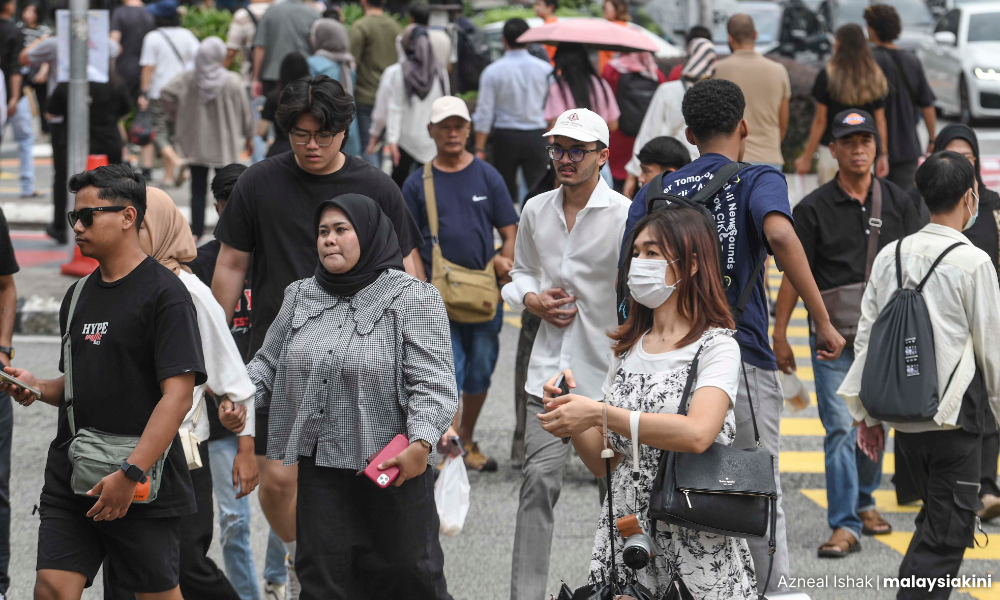
They remind citizens that democracy is not a spectator sport but a lived responsibility. When people feel ownership over local issues, they become invested in national governance.
Fair elections
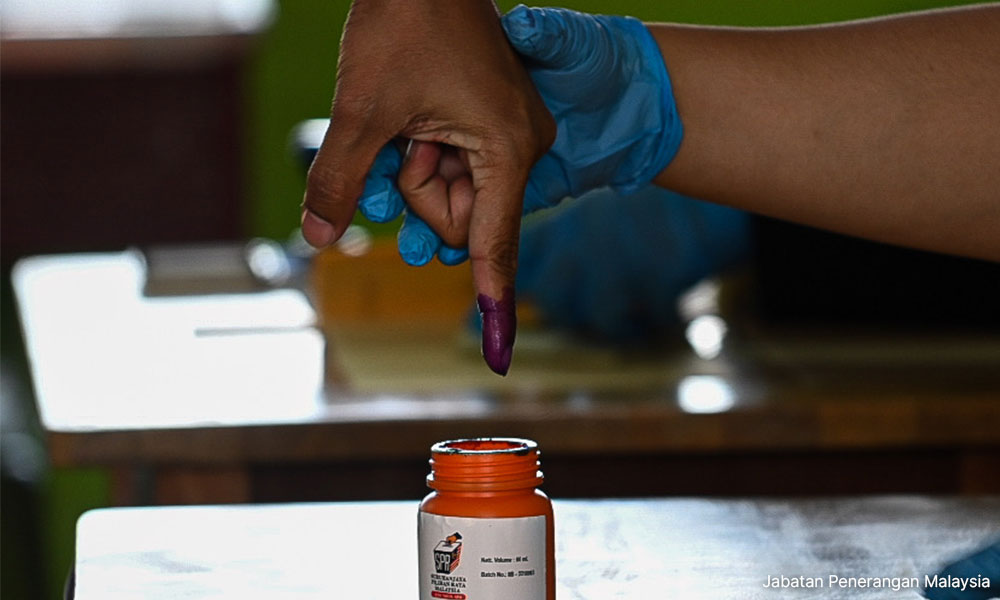
At the heart of any democratic system lies the requirement for free and fair elections. This is where many countries stumble.
Elections must be conducted with integrity, transparency, and fairness. Electoral boundaries must not be distorted to favour any side. The playing field for all parties must be level.
Campaign financing must be regulated so that money does not drown out the voices of ordinary people. Every citizen should feel that their vote carries equal weight.
An election that is perceived to be biased undermines its outcome and the legitimacy of the government formed.
Finally, we must acknowledge that democracy cannot succeed without an economic system capable of delivering opportunity, dignity, and stability.
Political freedoms mean little if citizens live in grinding poverty and opportunities are unequal. Democracies collapse when people feel excluded from prosperity.
Yet, economic development should not come at the expense of freedom of expression or human rights. The challenge of our time is to build an economic model that combines innovation and growth with social equity and democratic accountability.
Prosperity and liberty must not be traded off; they must advance together.
Democracy is not self-executing. It requires maintenance, vigilance, and renewal.
It is strengthened when citizens participate, when institutions act impartially, and when leaders are constrained by law. It weakens when people disengage, when corruption spreads, and when power becomes concentrated.
If democracy is worth saving - and I believe it is - then we must also commit to building the guardrails that keep it safe.
Only when all these components come together can democracy deliver its promise: a nation where every citizen has a voice, a stake, and a future. - Mkini
THOMAS FANN is a former Bersih chairperson and writes as a private citizen who still believes in ordinary Malaysians - whom he believes are decent, fair-minded, and share a common desire to live in peace and harmony.
The views expressed here are those of the author/contributor and do not necessarily represent the views of MMKtT.

No comments:
Post a Comment
Note: Only a member of this blog may post a comment.