


Rising cost of living, relentless traffic congestion, unreliable public transport, choking air, recurring floods, overcrowded homes, water disruptions, and vanishing green spaces are frustrations familiar to city dwellers everywhere.
It is easy to view cities as both drivers and victims of climate change, weighted down by these struggles. Yet participating in the expert review of the Intergovernmental Panel on Climate Change (IPCC) Special Report on Climate Change and Cities (SRCC) revealed a far deeper perspective.
Being part of this review gave me a rare glimpse into how cities can confront the climate crisis head-on, proving that even amid growing challenges, there are real opportunities to act.
For those unfamiliar, the SRCC is the only special report to be prepared under the IPCC’s Seventh Assessment Cycle (AR7). It represents a major effort to synthesise scientific knowledge on how climate change is transforming urban environments and how cities can lead the way in building resilience and reducing emissions.
From Oct 17 to Dec 12, selected experts worldwide will review the SRCC draft report, providing input to ensure it is scientifically sound and relevant to urban realities.
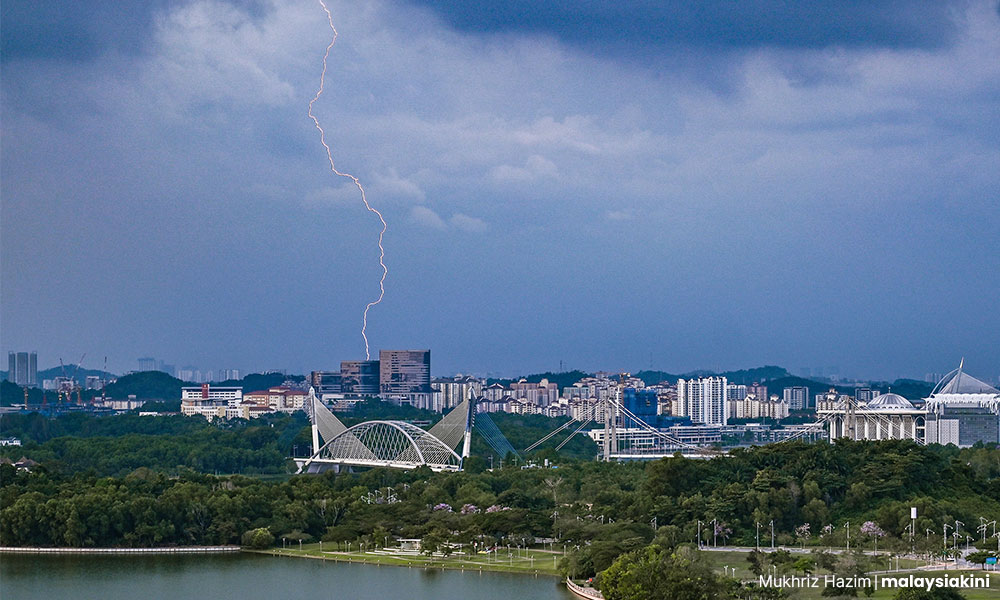
Through the combined expertise of IPCC member governments, observer organisations, researchers and multiple working groups, the SRCC translates global scientific insights into actionable guidance for cities, covering infrastructure, health, water and energy networks.
Expected in early 2027, the SRCC will not only mark a milestone in shaping global climate policy for cities but also act as a key guide for planners, policymakers and communities facing the realities of climate change.
Think local, thrive global
While climate change is a global phenomenon, its effects are far from uniform. No two cities experience it in the same way, and its impacts are rarely shared equally among urban residents.
Coastal cities like Jakarta, Indonesia, face rising sea levels and flooding, whereas arid regions like Las Vegas in the United States grapple with heatwaves and water shortages.
Even within a single city, climate stress hits some residents harder than others. In this case, low-income communities often live in flood-prone areas, lack access to reliable cooling during heatwaves or have limited public services to help them cope with climate change.
These stark disparities make it clear that climate solutions cannot be one-size-fits-all or simply copied from one city to another.
Instead, effective urban adaptation requires strategies that are tailored to local circumstances, considering geography, infrastructure, social dynamics and economic context to ensure resilience is both practical and equitable.
Smart resilience over expensive fixes
In many parts of the world, unequal access to resources has pushed communities to rely on creativity and local wisdom to cope with a changing climate.
Across Southeast Asia, like Vietnam and the Philippines, floating houses built from bamboo and wood have long helped residents adapt to floods and rising sea levels. These materials are not only cheap and accessible but also surprisingly resilient, flexible enough to float with the tides and strong enough to endure the elements.
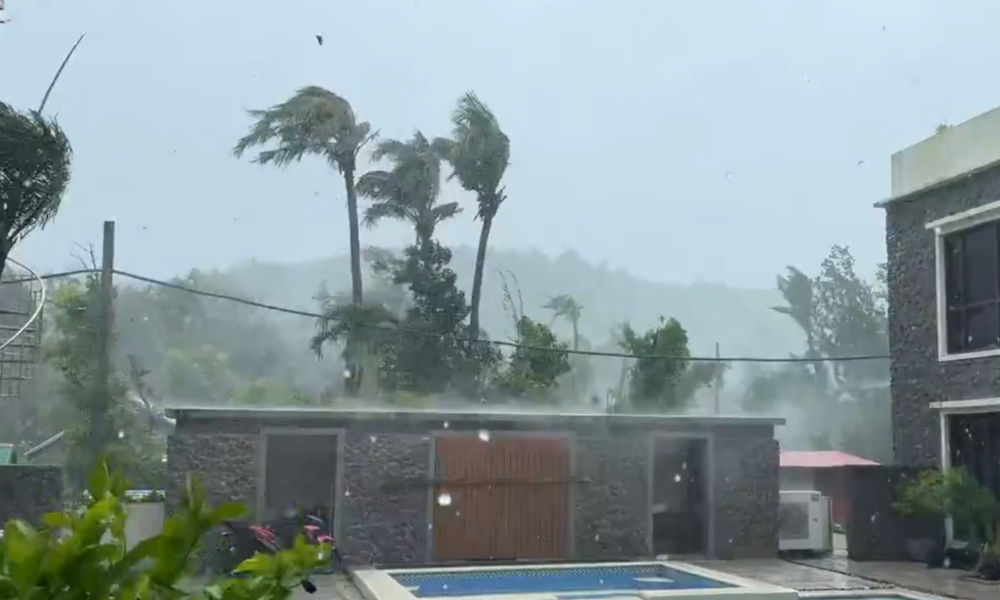
Now, modern architects and city planners are taking cues from this local ingenuity. Replacing conventional materials like concrete and brick with engineered wood, such as cross-laminated timber, which has been shown to capture and store carbon, provide natural cooling and still provide the strength cities need.
This fusion of traditional know-how and modern technology reminds us that resilience does not always mean expensive solutions. Sometimes, the smartest answers lie in what local communities have known for generations.
At the same time, cities are beginning to rediscover the power of nature as their first line of defence. Restoring floodplains and rebuilding coastal ecosystems, through mangroves, wetlands and marshes can buffer shorelines from storm surges and erosion far more effectively than concrete seawalls.
Prioritising nature-based solutions such as these, along with maintaining urban forests and parks, safeguarding existing green spaces and enforcing development limits in landslide-prone areas, offers a path toward more sustainable resilience.
Instead of pouring resources into costly, high-tech systems that merely offset climate damage, cities can build lasting protection by working with nature, not against it. In the end, resilience is not measured by how much we spend, but by how wisely we adapt. - Mkini
CHONG YEN MEE, a member of the UNFCCC Roster of Experts, is passionate about helping governments and organisations navigate climate policy, carbon accounting and sustainable strategy.
The views expressed here are those of the author/contributor and do not necessarily represent the views of MMKtT.

No comments:
Post a Comment
Note: Only a member of this blog may post a comment.