


Prime Minister Anwar Ibrahim recently reaffirmed the government’s commitment to keeping RON95 petrol affordable under the Budi95 targeted subsidy programme.
His decision to reject the World Bank’s proposal to raise RON95 to market price shows that fuel policy can be shaped to shield the rakyat from sudden increases when the need is recognised.
This is why many diesel users now ask a fair question. If petrol users continue to enjoy stable prices, why are those who rely on diesel left to face weekly fluctuations without the same level of support?
The weekly fluctuation of diesel price has changed the reality for the rakyat who depend on this fuel to put food on the table.
This is no longer only about price adjustments. It is about whether the government can protect workers whose incomes rise and fall every week. Floatation may help national spending, but it leaves diesel users facing unstable costs that many cannot manage.
Vital for small businesses
Across the country, hundreds of thousands rely on small lorries, vans, pickups, and work vehicles to survive. They include delivery drivers, independent contractors, small traders, household movers, farmers, and micro-business owners.
They do not use diesel because they are wealthy. They use it because their work demands it. Diesel is the main input of their livelihood. Weekly changes turn this basic need into a financial risk that affects their ability to earn.
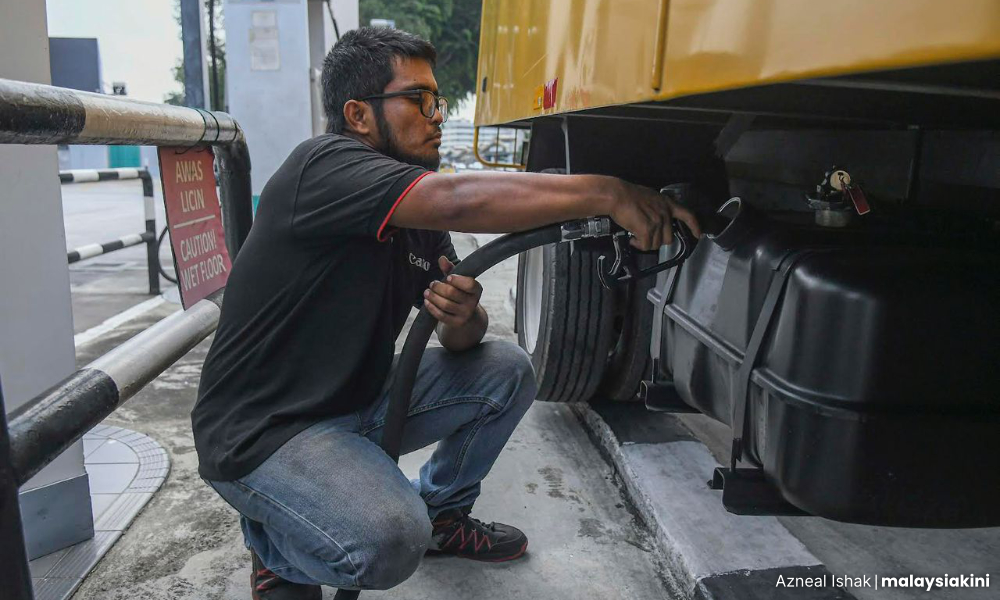
The idea that pickup owners are high-income earners is not based on reality. Many bought these vehicles because they needed the strength and load capacity that a small car cannot offer.
Pickups carry equipment. They move goods. They support small businesses and side income. These vehicles are work tools, not status symbols. For these people, the diesel floatation is not a policy discussion. It is a daily struggle.
A clear imbalance also exists. In East Malaysia, diesel remains fixed at a lower price. In the peninsula, workers who form most of the transport and delivery network must face weekly changes on their own. The situation is creating frustration among diesel users.
Current system not enough
The government has introduced several diesel assistance schemes under Budi Madani, yet most real diesel users still fall outside their coverage.
Budi Agri-Komoditi supports farmers and breeders, but the RM200 monthly aid is far below the true fuel cost for diesel-based work.
MySubsidi Diesel helps only larger companies through fleet cards.
Budi Individu exists as well, but it is poorly understood by the public and does not cater to the majority who use pickups, small lorries, or vans for income.
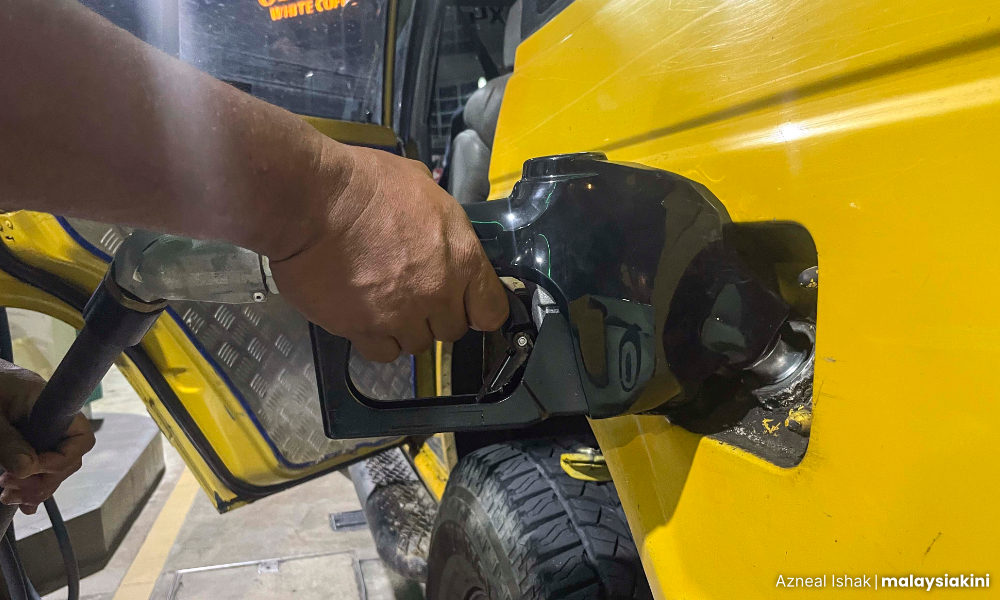
In reality, most diesel-dependent rakyat remain unprotected from weekly price changes. The support is there, but it does not reach the group that is most affected by floatation.
There is another contradiction. RON95 petrol remains subsidised for every Malaysian with a driving licence. Even the T20, who do not need fuel assistance, receive RON95 subsidies automatically.
This raises a simple question. If wealthy petrol users are allowed automatic subsidies, why are diesel users, many of whom earn far less, fully exposed to price volatility?
Diesel owners are not automatically rich. A small lorry or pickup is a necessity for work. The imbalance is becoming harder to defend.
A practical solution is available. The government can introduce a diesel support programme that follows the logic of Budi Madani but is designed specifically for diesel users.
The principle is simple. Assistance should reach the rakyat who genuinely depend on diesel for mobility and income. A fair and targeted diesel scheme would stabilise earnings for real users while ensuring that it is not exploited by large fleet operators.
Simmering political consequences
This issue is no longer only economic. It is political. Many diesel-dependent businesses in the peninsula are Chinese-owned SMEs.
Their costs have risen sharply. Their planning has become difficult. Many are openly unhappy because they feel current policies do not reflect their realities.
The same feeling is now visible among Indian workers in the delivery and logistics sectors. Rural Malay households that rely on old diesel pickups, small lorries, and agricultural vehicles are also affected.
Although some groups receive limited assistance through agriculture-related schemes, these programmes do not cover most diesel users. Weekly changes cut directly into seasonal incomes.
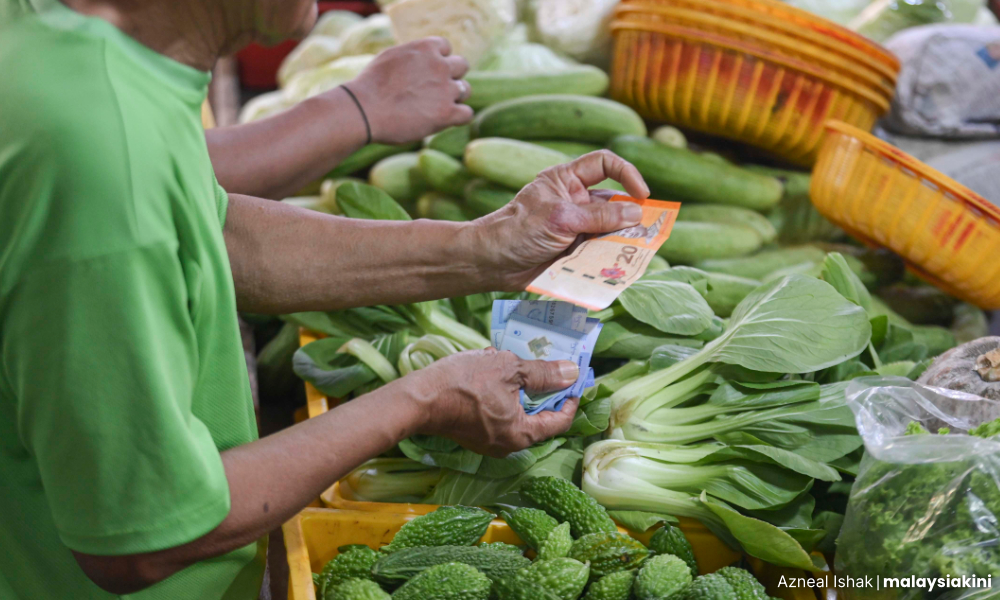
When these groups begin asking the same question about fairness, it shows that dissatisfaction crosses race and geography.
Long-standing support from the Chinese and Indians, especially those who have been reliable voters for Pakatan Harapan, cannot be assumed to be permanent.
Economic pressure changes voter behaviour faster than any political narrative. The recent Sabah state election, in which DAP was wiped out entirely and PKR secured only one seat, shows how quickly voter sentiment can shift when people feel their daily struggles are ignored.
The government’s approach to targeted subsidies must evolve. Diesel-dependent workers carry a burden that is heavy and unfair. Acknowledging this is not only good economics. It is necessary for social stability and political trust.
A fair diesel policy is overdue. The administration must ensure that those who keep Malaysia moving, including small contractors, delivery drivers, rural farmers, and urban SMEs, receive support that reflects their contribution to the country. - Mkini
MAHATHIR MOHD RAIS is a former Federal Territories Bersatu and Perikatan Nasional secretary. He is now a PKR member.
The views expressed here are those of the author/contributor and do not necessarily represent the views of MMKtT.

No comments:
Post a Comment
Note: Only a member of this blog may post a comment.