



AS the world marks the 16 Days of Activism Against Gender-Based Violence, Malaysia wakes up to yet another preventable loss of life.
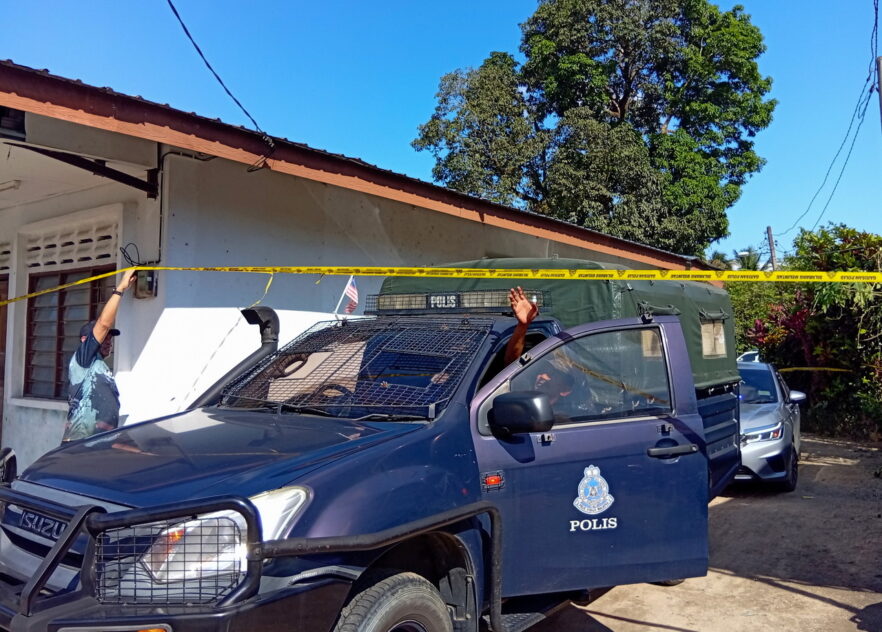
A 40-year-old mother in Tanah Merah has been killed, allegedly by her husband, in a tragedy that mirrors countless others. Her death did not begin with a knife. It began much earlier, in the shadows of fear, control, and sometimes digital intrusion.
When abuse follows women from their homes into their phones through tracking apps, surveillance, threatening messages, and coercive demands, technology-facilitated abuse becomes the earliest warning sign of femicide, a warning this country still refuses to take seriously.
This killing is not sudden. It is the final chapter of a story written long before the last blow. Malaysia has a pattern. We just refuse to name it.
Between January and August 2024, Malaysian media recorded 17 femicide cases, about two women killed every month, according to Women’s Aid Organisation’s (WAO) monitoring. Around 60% were murdered by current or former intimate partners.
In July 2024, 25-year-old Nur Farah Kartini Abdullah was found murdered in Hulu Selangor. In August, 10-year-old Nuraina Humaira Rosli was discovered in a swamp in Perak. Her death reflects how girls, too, are vulnerable in a society that minimises gendered harm.
In the same year in Sabak Bernam, a young pregnant woman was killed by her boyfriend in a case that drew nationwide grief. The High Court has since found him guilty. And now, Dec 1, 2025, another woman in Tanah Merah has been added to the list.
Each of these women had dreams, families, and futures, and every one of their deaths was preventable. Their stories reveal a truth we can no longer avoid: Malaysia does not treat violence against women with the urgency it demands.
We continue to ask why survivors do not “just leave” but leaving is precisely when violence peaks. Abusers escalate when control slips, and survivors know they may be hunted, stalked, exposed online, or harmed at work. Many have no savings, no childcare, and nowhere safe to go.
Protection orders remain inconsistent, slow, or inaccessible outside office hours, and digital harassment often continues long after a woman has left the relationship.
Control often looks like care until it turns deadly
Another part of this crisis is rarely discussed. Women are not supported to recognise early warning signs. Coercive control often begins quietly, with monitoring disguised as care, jealousy mistaken for affection, and demands for passwords framed as trust.
Our society has never been taught to recognise these behaviours as red flags, and too many girls grow up believing control is normal. This leaves women vulnerable long before violence becomes visible, and it leaves families, neighbours, colleagues, and even frontline officers unsure of how to intervene.
The government must take this seriously. Public education on warning signs, healthy relationships, and digital safety must be a national priority, because prevention begins at the first sign of intimidation, not at the point of crisis.
Femicide begins long before a woman is murdered

Modern domestic violence rarely starts with physical assault. It begins with control, and increasingly, that control is digital.
Abusers demand passwords, track partners through GPS and ride-hailing history, monitor bank accounts, impersonate victims online, weaponise intimate images, and flood WhatsApp with threats. These behaviours are not “marital problems”; they are coercive control, and coercive control is the architecture of femicide.
Between 2020 and September 2024, PDRM recorded 30,228 domestic violence cases, while online crimes rose 35.5%. Violence no longer requires physical proximity. Technology has made control constant, quiet, and difficult to escape.
Malaysia’s legal response is no longer enough
Our laws were designed for a time when violence was physical, visible, and contained within marriage. That world no longer exists. Digital abuse may be recognised in legislation, but enforcement is inconsistent.
Police, JKM, and courts still operate in silos. Tech platforms respond slowly or delete evidence. Refugees and stateless women face additional risks simply by seeking help. Femicide happens when early signs are dismissed and when systems wait for bruises before recognising danger.
Femicide is not sudden. It is the result of warning signs we refuse to recognise. In these 16 Days of Activism, Malaysia must face a painful truth. Women are not dying because they fail to survive. They are dying because our systems fail to protect them.
Justice, dignity, and the protection of life reflect the moral core of our faith, and they are the urgent responsibility of this nation.
Ameena Siddiqi is the Communications Manager at SIS Forum (Malaysia). With a background in publishing, media, and public advocacy, she works to amplify the voices of Muslim women and challenge unjust interpretations of Islamic law.
The views expressed are solely of the author and do not necessarily reflect those of MMKtT.
- Focus Malaysia.

No comments:
Post a Comment
Note: Only a member of this blog may post a comment.