


Two indigenous leaders from British Columbia, Canada, travelled across the Pacific Ocean to the iconic Petronas Twin Towers in Kuala Lumpur to hand-deliver a complaint to the national oil company.
This was because they said their attempts to raise concerns over a liquefied natural gas (LNG) terminal linked to Petronas were ignored.
“If they won’t come to us, it is time for us to come to them,” said 67-year-old leader of the Wet’suwet’en people, chief Na’Moks, also known as John Ridsdale.
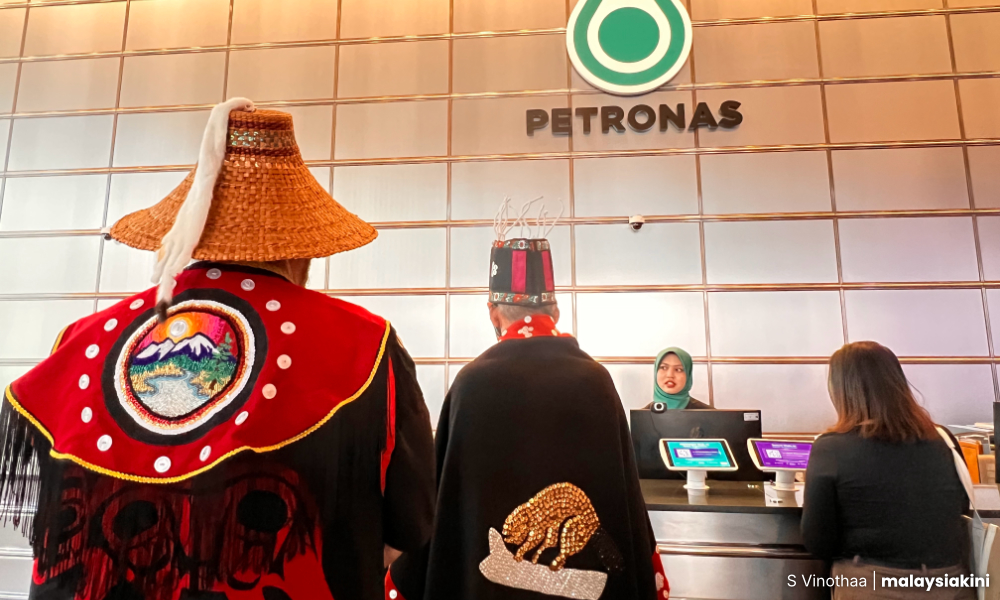
Ridsdale arrived at the Tower 2 lobby on Dec 2, with four copies of a dossier outlining alleged human rights, environmental, and financial risks arising from Petronas’ 25 percent stake in LNG Canada - a project to export LNG via the 670km Coastal GasLink (CGL) pipeline.
The complaint cites letters from seven UN special rapporteurs written directly to Petronas and over five dozen enforcement actions against the CGL pipeline, which supplies LNG Canada, for environmental damage and the degradation of a sacred indigenous site.
“We’ve tried many times to meet Petronas in Canada. We travelled from Canada with the hope that they would not ignore us,” he said, hoping the complaint would convince Petronas to reconsider an expansion of their LNG port terminal.
He added that the documents delivered last Tuesday were important because they felt Petronas “does not have the full information it needs” about the true environmental, human rights, and financial risks surrounding LNG Canada.
Ridsdale was accompanied by Gwii Lok’im Gibuu - also known as Jesse Stoppler - a leader from the neighbouring Gitxsan nation, the two representing groups that live on 22,000 and 33,000 sq km of territory respectively.
The two leaders donned their full ceremonial hereditary regalia - clothing meant for minus 15°C winters - to underscore the seriousness of their message and the deep cultural weight of their visit.
Ridsdale said his regalia, which he inherited from his grandmother, carries an ancestral duty to protect land, water, and people: “Everything I talk about is represented within this regalia,” he said.
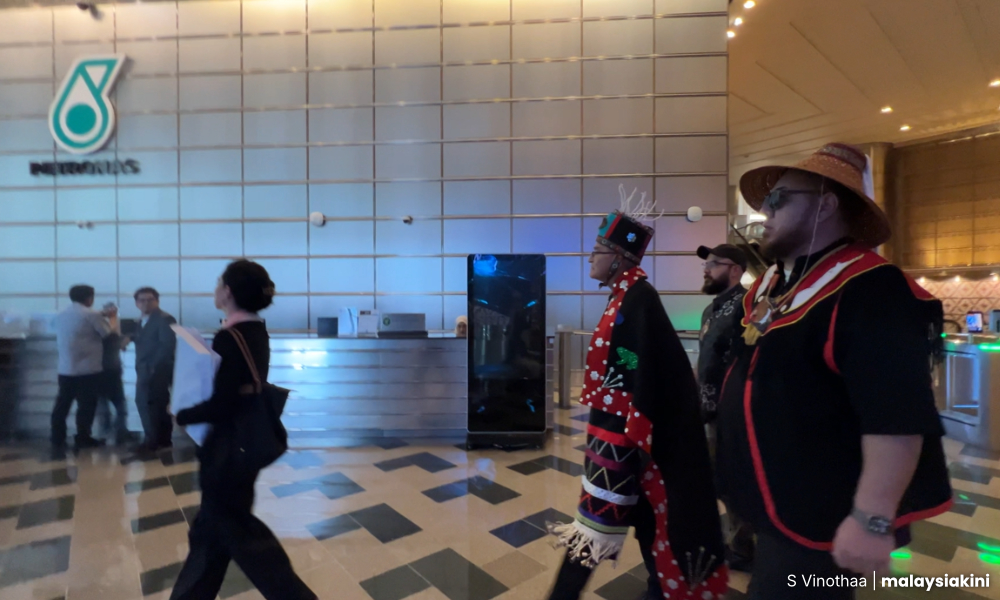
The group said they had notified Petronas by email ahead of the handover, but no company representatives were present in the Tower 2 lobby to receive copies of the complaint.
The documents were addressed to Petronas chairperson Bakke Salleh, its president and group CEO Tengku Muhammad Taufik Tengku Kamadjaja Aziz, vice president and chief sustainability officer Charlotte Wolff-Bye, and chief risk officer Norliwati Abdul Wahab.
Malaysiakini has contacted Petronas for comments.
Over 60 enforcement actions
Petronas holds its stake in LNG Canada through its wholly owned subsidiary, North Montney LNG Limited Partnership, according to information from the LNG Canada website and the tribal leaders’ complaints.
The project is wholly dependent on CGL’s 670km pipeline that connects the Petronas-linked terminal to Dawson Creek in British Columbia, secured by a 25-year transportation agreement with renewal options.
The tribal leaders argue that Petronas is responsible for the harms “embedded in” its supply chain, as CGL exists only to supply LNG Canada’s terminal, locally known as the Kitimat LNG Canada export terminal.
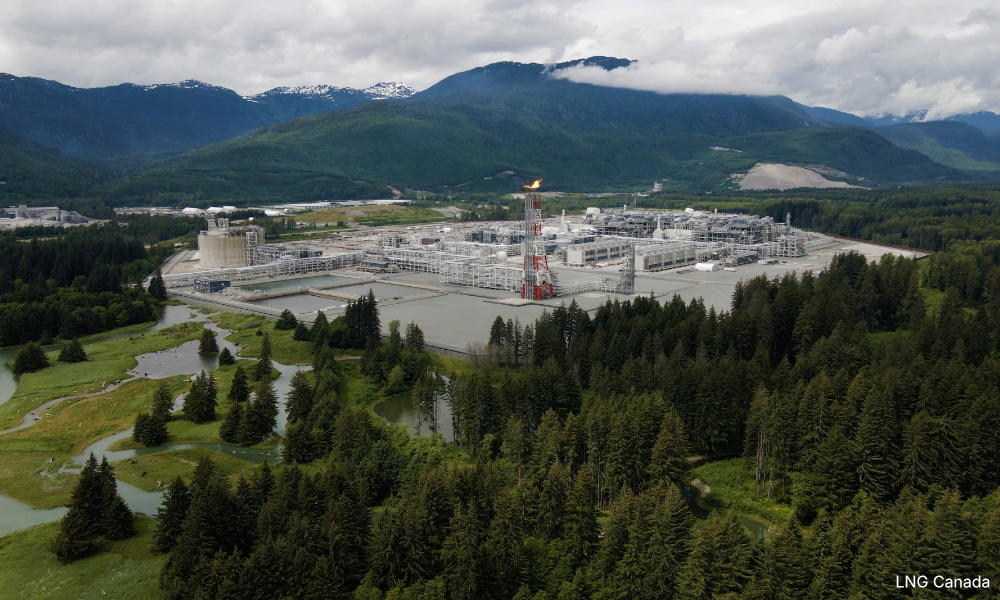
The CGL pipeline has faced over 60 actions by the British Columbia environmental regulator for river sedimentation and fish-habitat damage, according to the complaint. Damage was also done to a sacred site, Wedzin Kwa, which violates Wet’suwet’en cultural and subsistence rights.
The complaint also claims that LNG tanker traffic in the Kitimat fjord may increase sevenfold - although this has not been independently assessed - potentially causing up to 18 humpback and two fin whale deaths each year.
Big TV door prizes and militarised raids
The CGL pipeline cuts through Wet’suwet’en territory, where over 5,000 members live in five clans and whose land rights are recognised under Canadian law.
The complaint alleges that Petronas failed to conduct meaningful due diligence despite its own commitments to the right to a safe, clean, healthy, and sustainable environment.
“Although CGL and LNG Canada publicly claim that indigenous consultations were conducted, consultation alone does not meet the legal threshold for consent.
“In this case, consultation consisted of information-sharing sessions and benefit agreements with elected Indian Act band councils whose authority is legally confined to reserve lands.
“These councils do not have jurisdiction over the broader traditional territories that are the subject of Wet’suwet’en Aboriginal title, and the pipeline does not cross Indian Reserve land,” the complaint explained.
A 2023 Amnesty International report documented land defenders’ arrests, police raids, and insufficient environmental assessment.
Community members told Amnesty the company drew people by the droves to consultation sessions using “big TV” door prizes - a practice critics say undermines informed consent.
UN experts have previously warned that LNG Canada, though indirectly linked, is also implicated in alleged rights violations during raids by militarised Royal Canadian Mounted Police (RCMP).
In February, the British Columbia Supreme Court ruled RCMP actions during a 2021 enforcement operation amounted to abuse of process, noting conduct described as “grossly offensive, racist, and dehumanising”.
‘Your money is at risk’
Beyond rights and environmental concerns, Ridsdale argued that LNG Canada is financially shaky.
“Just to let Malaysia know, the risk of the money they’ve invested is very high. There is no profit margin. The income is in the red,” he said, cautioning that Malaysia could face losses as returns remain uncertain.
Kai Nagata, from the British Columbia-based environmental group Dogwood, said LNG Canada began operations with one compressor station near Dawson Creek, while six more are being proposed - including two on Wet’suwet’en territory.
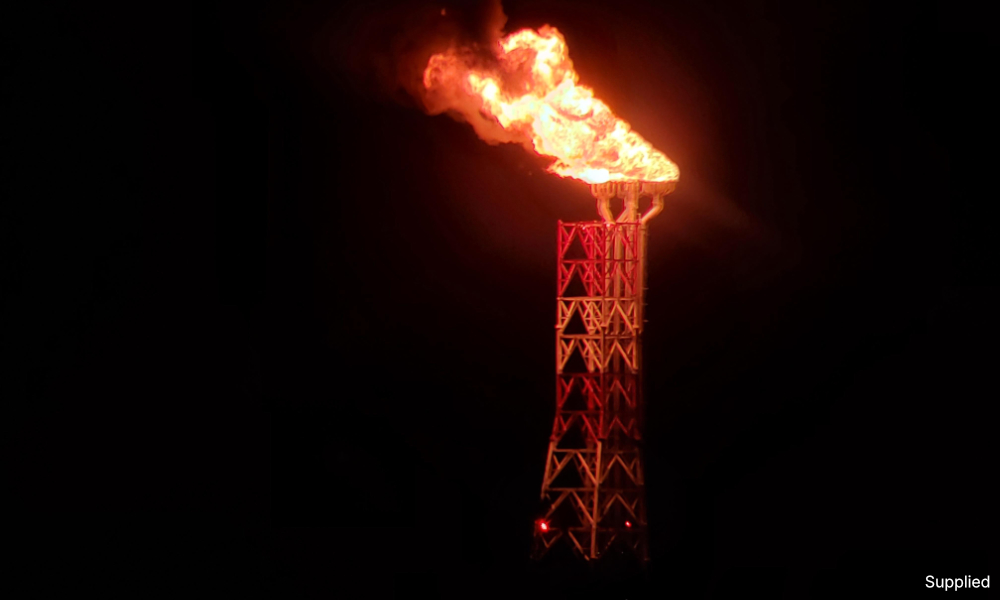
“These stations run like gas-fired plants, driving wildlife away and affecting indigenous subsistence rights protected under Canadian and international law,” he said.
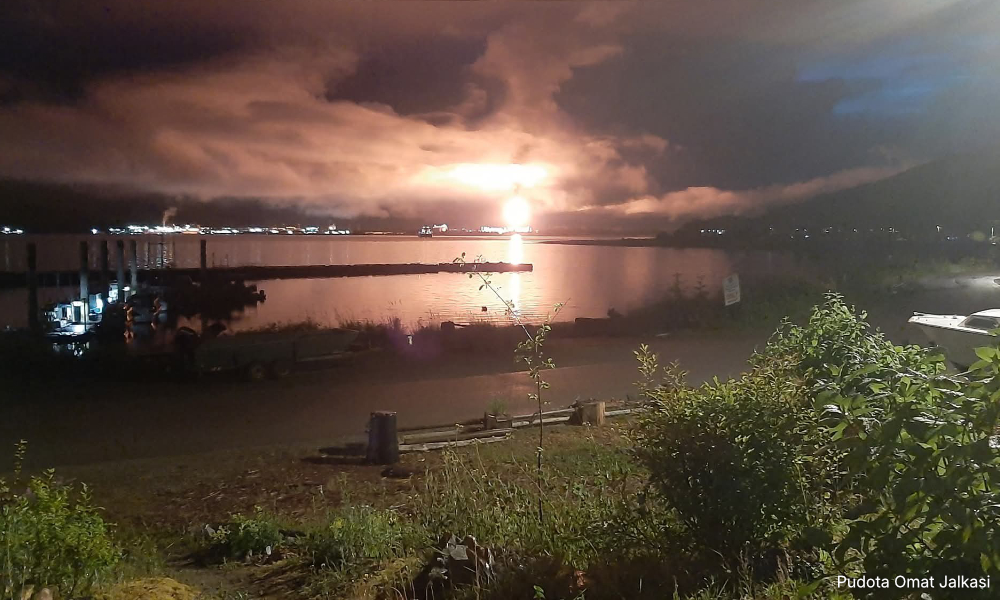
Nagata added that technical issues have caused persistent flaring at the Kitimat terminal.
Local reports describe a jet-engine-like noise coming from the Kitimat terminal, including black smoke and a burnt-plastic odour, causing sleepless nights.
“Flaring reaches 27m to 91m - almost as tall as Big Ben - and happens near daily, yet the project plans to double capacity,” he said.
Multi-government backed
The main partner in the Kitimat terminal is Shell, which holds a 40 percent stake, and other partners include PetroChina (15 percent), Mitsubishi (15 percent), and Korea Gas Corporation (Kogas) (five percent).
Web searches show that several governments are directly linked to the consortium of companies behind LNG Canada and its supply chain.
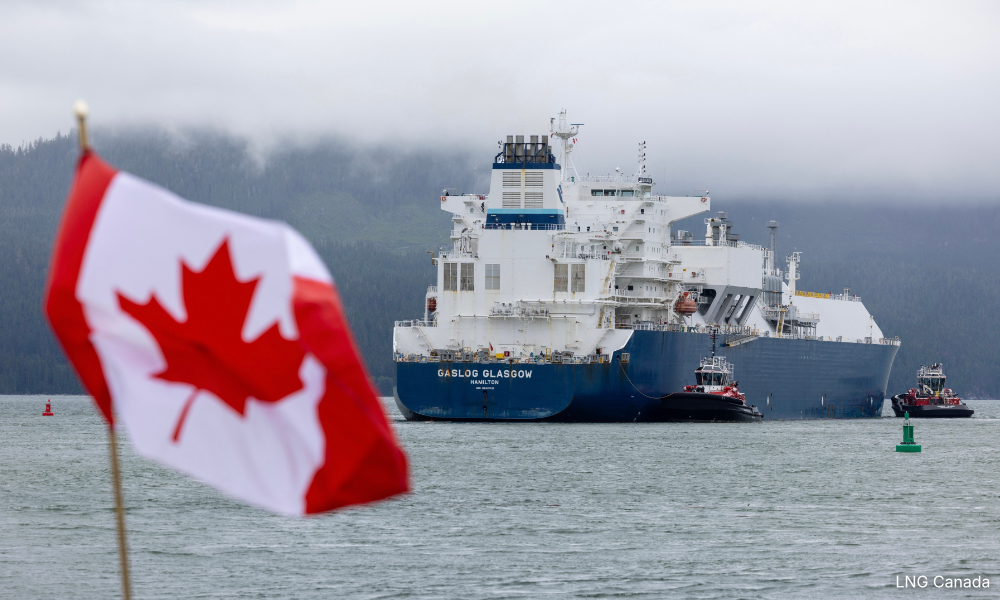
Besides the Malaysian government via Petronas, the Japan Bank for International Cooperation (JBIC), which provided US$850 million (RM3.5 billion) in finance to LNG Canada, is wholly owned by the government of Japan.
PetroChina is owned by China via China National Petroleum Corporation, and Kogas is also majority owned by the South Korean government, while Shell and Mitsubishi remain privately held.
Meanwhile, Canada itself holds no equity stake in LNG Canada, despite the project carrying the country’s name, and none of the exported LNG is intended for domestic use.
LNG Canada is the country’s first LNG export terminal, and in a July statement, Petronas described the Kitimat location as providing direct access to key North Asian markets, including Japan, South Korea, and China.
For the small Canadian delegation, which also comprised members from the Skeena Watershed Conservation Coalition, the Malaysian visit was their third stop after Kogas, headquartered in Seoul, South Korea, and JBIC in Tokyo, Japan.
During their time in Malaysia, the group partnered with local NGO RimbaWatch to visit the Putra Heights gas pipeline fire site in Selangor, aiming to understand the incident and assess the scale of destruction that similar failures could cause.
In a statement in July, former environment minister Yeo Bee Yin argued that Petronas, as the Putra Heights pipeline owner, should bear responsibility despite the authorities’ ruling that the incident was caused by ground instability. - Mkini

No comments:
Post a Comment
Note: Only a member of this blog may post a comment.