


Parti Sosialis Malaysia (PSM) has urged the government to impose a five-year moratorium on the construction and commissioning of new private hospitals.
It warned that unchecked private sector expansion is siphoning off healthcare workers from an already overstretched public system.
In a statement today, PSM’s Save Our Public Healthcare Campaign member Dr Cecilia Anthonysamy said the rapid growth of private healthcare, including that driven by medical tourism, is “poaching” doctors, nurses, and specialists from government facilities facing critical shortages.
“Poaching refers to the aggressive recruitment of healthcare professionals from systems already struggling with shortages,” she said, noting that the trend echoes a long-standing global pattern where richer countries pull talent away from poorer ones.
“Not unlike the global health workforce crisis, our ‘poorer’ public healthcare system is losing its healthcare workforce to the wealthy private healthcare sector,” she added.
Cecilia said PSM is rallying public support to sign a petition and join a rally tomorrow (Dec 12), outlining demands including:
A moratorium on new private hospitals
Measures to stem the brain drain from public hospitals
Policies to strengthen the public healthcare workforce
A firm commitment to universal access to quality care
“We need (a larger) healthcare workforce for our public healthcare system.
“Stop the brain drain. Stop the poaching,” she stressed.
The rally will be held at 11am at the Malaysia Healthcare Travel Council in Kuala Lumpur.
Far below international standards
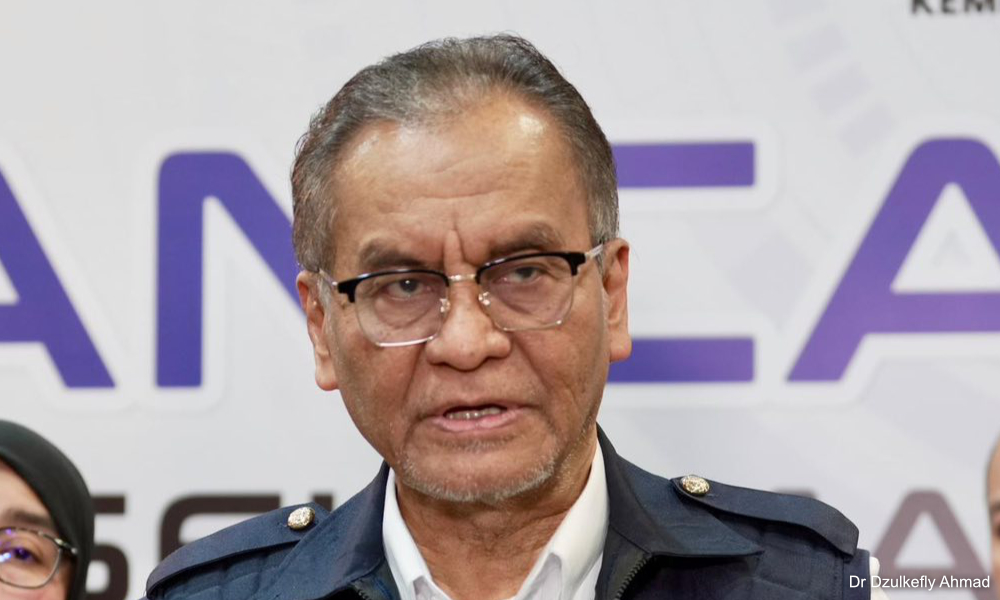
Citing figures revealed by Health Minister Dzulkefly Ahmad, she noted that 6,919 public healthcare workers resigned and moved to the private sector between 2020 and 2024, including 2,141 nurses.
Dzulkefly had also warned that Malaysia could face a nursing shortage of nearly 60 percent by 2030.
Cecilia also highlighted data from the Malaysian Medical Association (MMA), which found that only five percent of public healthcare facilities reported adequate staffing in 2024, with acute shortages of specialists.
“The Academy of Medicine of Malaysia estimates that the country has only four specialists per 10,000 population, far below the OECD average of 14.3.
“Only 15.7 percent of doctors in the public sector are specialists, according to MMA data, compared to 41–60 percent in developed countries such as Singapore, Canada, and Australia,” she said.
She added that the Health Ministry’s Medical Development Division previously estimated that Malaysia needs between 18,912 and 23,979 specialists by 2030 to ensure at least 30 percent of all public-sector doctors are specialists - still below benchmarks in higher-income countries.
Fewer public hospitals but higher workload
Cecilia also cited research highlighting the imbalance between the public and private healthcare workforce, with private hospital bed capacity projected to sharply increase in the coming years.
According to CIMB Research, she said total private hospital bed capacity stood at 18,779 beds in 2023 and is expected to rise to between 23,000-24,000 beds by 2028, driven by expansions and new facilities aided by tax exemptions.
“Malaysia now has more private hospitals (207) than public hospitals (160).
“Where will the additional healthcare workforce for these expanding private hospitals come from, especially medical officers and specialists?” she asked.
Despite this, she said, public hospitals continue to shoulder most of the national caseload - handling between 64-94 percent of major healthcare services - while still struggling with insufficient beds.
Cecilia warned that long waiting times, overcrowding, and worsening working conditions pose a threat to Malaysia’s commitment to universal health coverage (UHC).
“Policymakers cannot continue to ignore the contradiction between claiming to uphold UHC and simultaneously promoting medical tourism,” she said.
She further cited the World Health Organization’s assertion that the highest attainable standard of healthcare is a fundamental human right.
“To uphold this right, policymakers must take immediate action to impose a moratorium on private hospitals for the next five years,” she stressed. - Mkini

No comments:
Post a Comment
Note: Only a member of this blog may post a comment.