


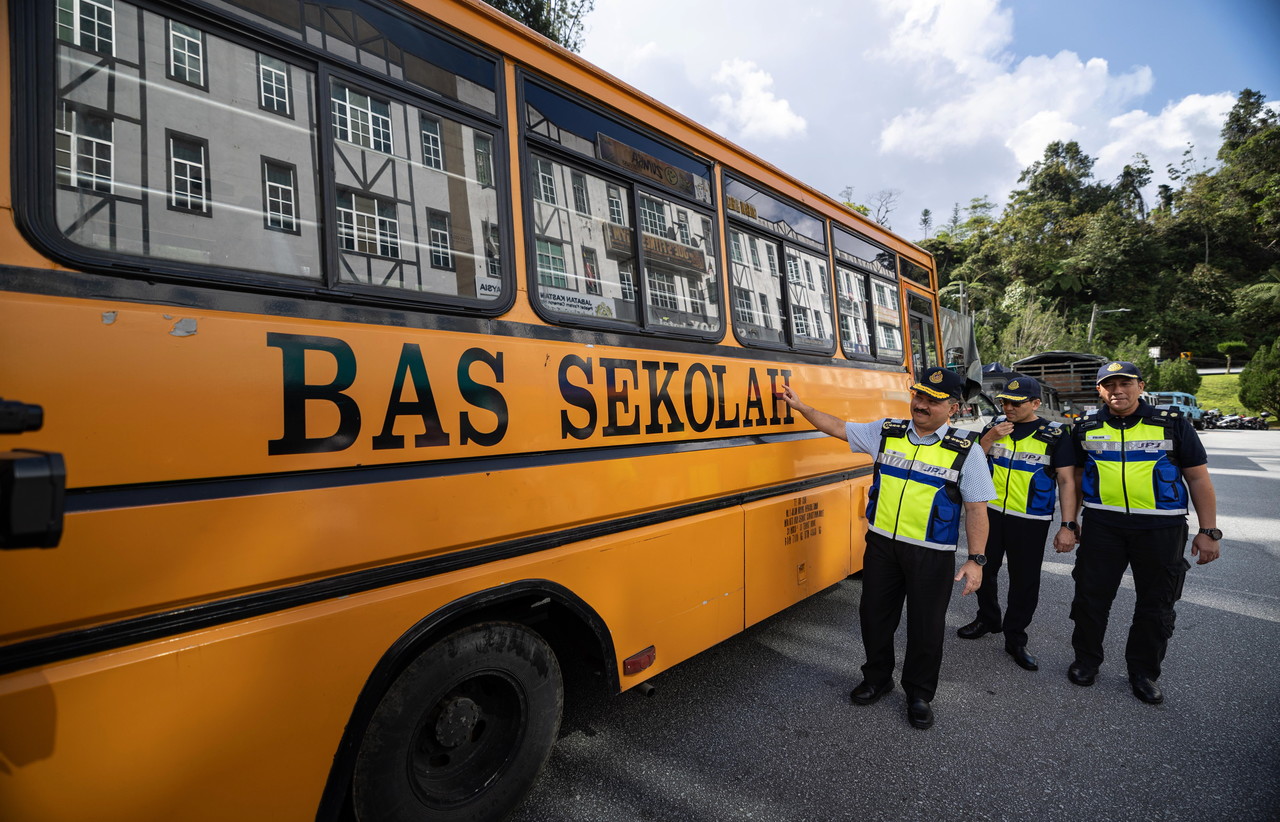
RECENTLY, the Road Transport Department (JPJ) seized a school bus (Bas Sekolah) in Cameron Highlands for ferrying tourists, and found that it had been used for visitors from China and Singapore for the past three years.
Why is the school bus used for an excursion instead of transporting students when schools are in session?
In peninsular Malaysia, the Land Public Transport Agency (APAD) also issues permits for Bas Berhenti-henti (stage bus), Bas Ekspres (express bus), Bas Persiaran (excursion bus), Bas Catar (chartered bus), Bas Perkerja (worker bus), and Bas Pengantara (feeder bus) that provide first mile/last mile connectivity to/from train stations.
The Commercial Vehicle Licencing Boards of Sabah and Sarawak issue bus permits for their regions except for Bas Persiaran.
Since 1996, the Tourism Ministry had been in control of excursion bus and hire & drive vehicle permits, but this function was taken over by SPAD in 2011 and continued by APAD in 2018 in the peninsula.
The most common in the country are stage buses. They operate in every city, and town, often stopping by the roadside to pick up or drop off passengers.
Many of the routes are not profitable, as fares are low and the number of passengers often few, forcing the government to step in to keep them running as social service.
However, mini buses that were operating in Kuala Lumpur from 1975 until 1998 with fares fixed at 40 sen from 1975, 50 sen from 1991, and 60 sen from 1993, were very popular with the passengers and highly profitable for the bus companies, even after the bus conductors and drivers colluded to pocket much of the fares collected.
Express buses ply between major towns and cities. They are not allowed to pick up passengers along the way but may stop for drop off before reaching the final destination.
As drivers are familiar with their routes, it is not uncommon to see them over-speeding or overtaking dangerously, sometimes resulting in major accidents.
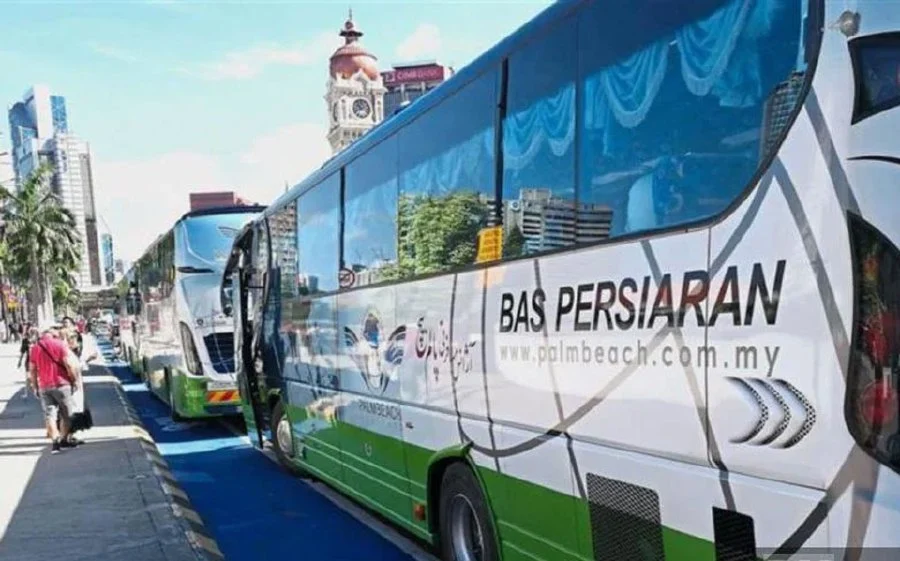
Excursion buses are known as tour buses, and they are chartered for use by the same group of passengers throughout the journey.
They are not allowed to pick up from bus terminals or collect fares from passengers. Unless exempted, the bus must have a tourist guide on board, be they foreign or domestic passengers.
Chartered bus permit is superfluous and should have been discontinued as promised by SPAD and then APAD. Large stage bus companies like Sri Jaya that used to operate in Kuala Lumpur from 1959 until 1998 have a few spare buses in the pool for emergency replacement and also for charter by the public for excursions or funerals.
After the Commercial Vehicle Licensing Board lost the power to grant Bas Persiaran permits to the Tourism Ministry in 1996, it began to issue Bas Catar permits.
Some tour companies applied for these new permits to circumvent the ruling that tour buses must have a tourist guide on board whenever there are passengers.
Today, only a few chartered buses remain, and they are mostly old and poorly maintained. They are dirt cheap to charter, and so are the lives on board, more so when drivers are not familiar with the routes, made worse along steep and winding mountain roads in heavy rain at night driven by a tired driver fighting fatigue and sleepiness.
Then there is the Bas Pekerja. These buses are also among the oldest or in the worst condition, and were involved in major accidents.
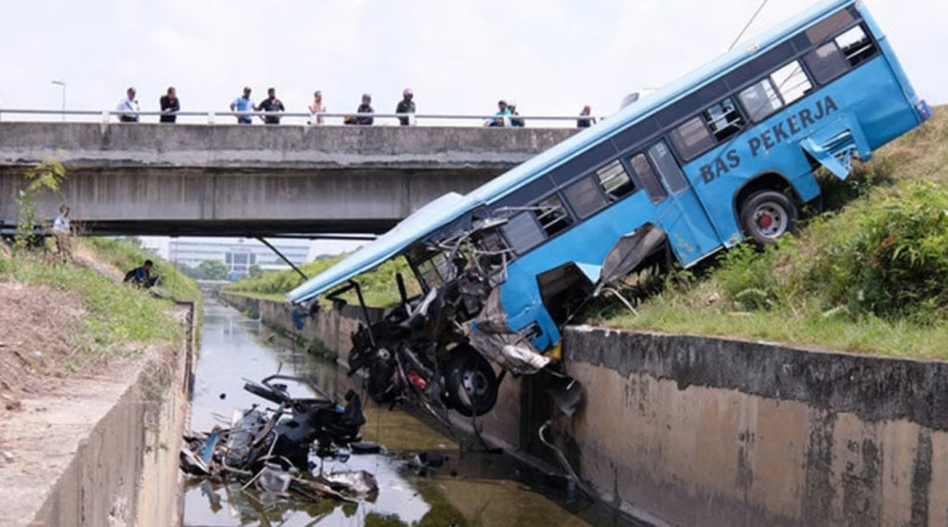
In 2019, one such bus crashed into a drain near the MAS Cargo Complex at the Kuala Lumpur International Airport, killing 11 people and injuring 34. The passengers were contract workers at MASkargo.
The standard motor insurance policy for all public buses include legal liability to passengers. This cover is binding only if all the terms and conditions are met, such as the bus was used as permitted, and licences such as the bus permit and road tax, driver’s competent driving licence and public service vehicle (PSV) licence are valid.
The bus must also pass routine vehicle inspections at Puspakom or other authorised centres, and drivers pass a proper medical examination by a doctor before renewing their PSV licence.
In addition, the bus must not be driven under the influence of drugs or alcohol, or on the road for more than four hours without a 30-minute break.
The risk of accident can be high when drivers are old, tired or sleepy, more so on mountainous roads.
In the event of accidents, injured passengers may not be compensated by the bus insurance company, resulting in a double whammy. As such, school buses should not be allowed to encroach into services provided by tour buses.
YS Chan is master trainer for Mesra Malaysia and Travel and Tours Enhancement Course and an Asean Tourism Master Trainer. He is also a tourism and transport business consultant.
The views expressed are solely of the author and do not necessarily reflect those of MMKtT.
- Focus Malaysia.

No comments:
Post a Comment
Note: Only a member of this blog may post a comment.