



FACIAL injuries may not always be life-threatening, but they can be just as serious as broken bones or internal trauma, affecting not only appearance and function, but also emotional well-being.
In Malaysia, a study has shown that road traffic accidents involving motorcyclists were the main cause of maxillofacial trauma or injuries to the face, jaw, and soft tissues. With many road users still opting for minimal head protection, the face is often left exposed.
Dr Nur Shazwani Farah Md Mydin Siddik, Consultant Plastic and Reconstructive Surgeon, and Dr Aaron Lai Kuo Huo, Consultant Emergency Physician at Sunway Medical Centre, Sunway City, explore how facial trauma is far more than cosmetic.
“Facial trauma refers to injuries affecting the face’s skin, soft tissues, or bones. These injuries are often seen as cosmetic, but they can involve serious, sometimes life-threatening complications, which is why we prioritise timely care to ensure patient safety,” noted Dr Shazwani.
More than skin deep
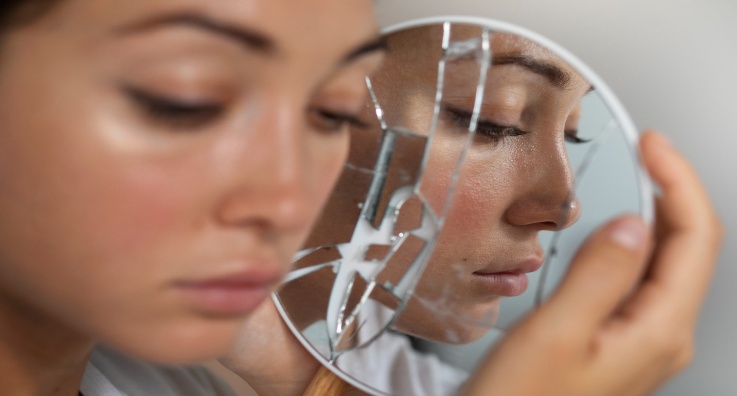
For many accident victims, the emergency department is the first stop. “We often see facial lacerations and fractures of the jaw, cheekbones, eye socket, and nose. Among motorcyclists, it’s usually from high-impact collisions, especially when helmets are not worn or properly secured,” said Dr Lai.
Beyond visible bruises, facial trauma can block the airway due to bleeding or swelling. “Once stabilised, we assess vision, speech, swallowing, and bone stability. A CT scan helps us evaluate fractures and deeper injuries. Depending on the findings, we refer the patient to plastic, ENT, eye, or maxillofacial surgeons,” he added.
After initial recovery, some patients only seek help months or even years when lingering problems like facial asymmetry, difficulty chewing, or scarring gradually become harder to ignore.
“Patients presenting months or years after facial trauma are managed through careful assessment of residual deformities, functional impairments, and scar tissue,” Dr Shazwani explained.
“When the jaw or midface is fractured, we realign and reconstruct these structures to restore both function and balance.
“Facial trauma can cause visible scars, asymmetry, and deformities that affect facial harmony and self-confidence. Late-stage cases often need multiple treatments from corrective surgery to scar revision and rehabilitation.”
When aesthetic surgery is no longer about vanity
We often associate aesthetic surgery with beauty or vanity. But for trauma patients, it’s about restoring normal function and confidence. It is not vanity but a vital part of healing.
“Facial trauma can leave scars or deformities that impact how a person speaks, eats, or relates to others. It’s a common misconception that aesthetic surgery is just about appearance. In reality, it’s about restoring function, symmetry, and quality of life,” Dr Shazwani stressed.
Technology that heals, and the reality behind recovery
Fortunately, advances in medical technology are improving recovery. Newer techniques such as endoscopic surgery, dissolvable plates, laser therapy, and regenerative treatments like fat grafting offer faster healing with reduced scarring.
“We now have tools that allow for smaller incisions, better control of scarring, and quicker healing, supporting our commitment to quality improvement in trauma management,” Dr Shazwani remarked.
In the emergency room, Dr Lai noted that the approach has also evolved, adding that it’s not just about saving lives as the focus has now shifted to early intervention to preserve function and long-term appearance.
“We use improved imaging, manage pain carefully, and stabilise injuries in ways that reduce complications,” he added.
He went on to stress the importance of protective gear: “No one expects to crash. But your face is often the first to take the hit. Wearing a full-face helmet, using certified safety gear, and getting medical help early can be life changing.”
First aid advice for bystanders
For bystanders, Dr Lai offered this advice: “If someone has facial injuries, keep the airway open and control bleeding. Use a jaw thrust if breathing is difficult, especially if you suspect a neck injury.
“Apply gentle pressure with a clean cloth. Don’t try to push bones back or remove helmets unless necessary. And always call for medical help immediately.”
For those already on the road to recovery, Dr Shazwani emphasised that recovery is a journey and not a race.
“With today’s treatments, we can restore function and appearance. Scars and changes may feel overwhelming at first, they usually soften with time, and personalised therapies improve results. Focus on progress, rather than perfection,” she said. ‒ Focus Malaysia

No comments:
Post a Comment
Note: Only a member of this blog may post a comment.