


"Kalau kita menang hari ini, esok harga minyak akan turun" (If we win today, the price of oil will come down tomorrow)
- Anwar Ibrahim in 2008
Then-opposition leader Anwar Ibrahim repeated this startling undertaking at a campaign rally in the lead-up to the 2008 general election.
Although the Court of Appeal, in 2013, pronounced that an election manifesto is not legally enforceable - it continues to be published as a declaration of intentions, motives or views of individuals, groups, political parties, or the government, and many voters make their choices based on such promises.
The civil suit was brought by a group of single mothers who sought RM10.9 million in allowances because the Selangor government failed to fulfil its promises in a manifesto presented before the 2008 general election.
As for fuel prices, the issue has been dodging Anwar since then, but in July last year, he announced the lowering of RON95 to RM1.99 per litre before the end of September.
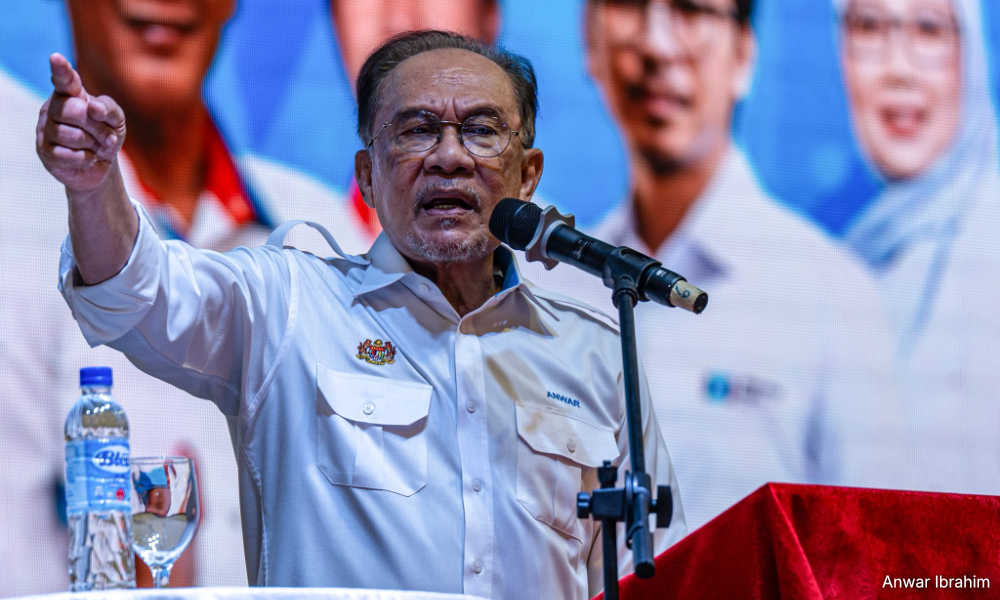
“I apologise for taking more time (to do this) because the country is facing huge debt and the economy is not doing well, and I had to attract more investment, more jobs, and AI (artificial intelligence), and so on,” he said.
But on Saturday, he was in a confrontational mood, criticising certain parties for repeatedly bringing up his past pledge to reduce fuel prices.
Anwar said these parties were deliberately ignoring facts about rising global fuel prices due to the war in West Asia, stressing that such actions mislead the public and undermine trust in the government.
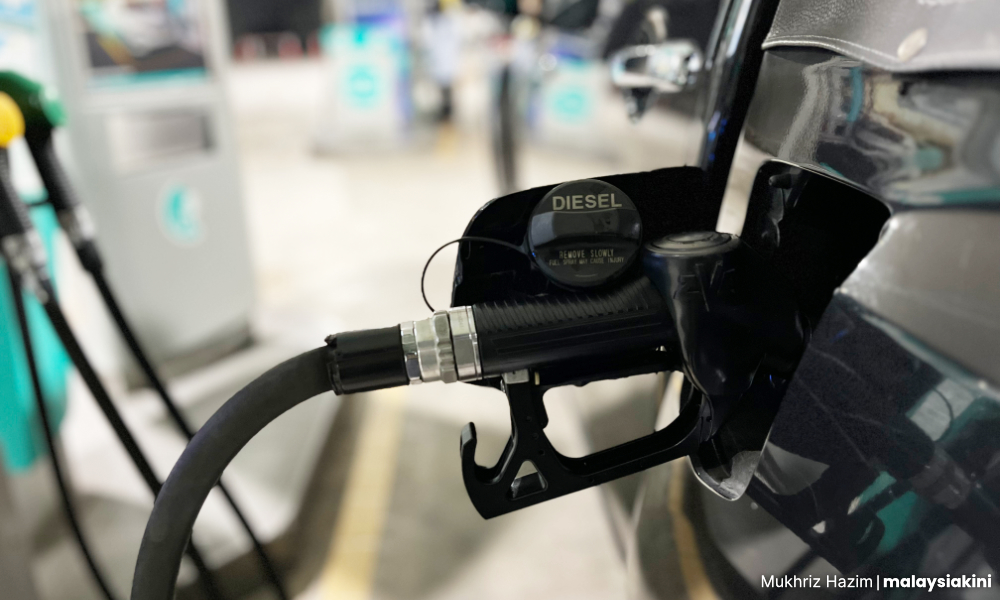
Arguing that his previous comments on reducing fuel prices were made during a period when global oil prices were much lower, Anwar, however, failed to say he made no such preconditions when making the announcement.
Anwar should know better
Having previously served as finance minister under Dr Mahathir Mohamad’s first tenure as prime minister, surely, he would have extensive knowledge of the vagaries and fluctuations in commodity prices, especially the price of crude oil.
If such qualifications had been made, no one would have a bone to pick with him, but when talking in terms of today and tomorrow, surely, certain sections of the citizenry have reason to argue that they were misled.
So, in the context of the court ruling, three questions must be answered:
If not enforceable, should politicians and political parties continue to promise the sky and moon and escape scrutiny, even if knowingly intended to mislead the voters?
Should voters continue to use party manifestos as guidelines on what to expect, or should they be treated with contempt and discarded - not worth the paper they are printed on?
Two years to the next hustings and parties, should the people send a message not to waste time, effort, and money because they serve no purpose, and they will not fall for empty promises?
GLC appointments
However, let us give credit where it is due. Anwar’s cabinet, during its weekly meeting on Dec 14, 2022, implemented an election promise - contracts for all political appointees, including chairpersons and board members of federal statutory bodies and GLCs, were terminated.
This decision reversed a long-standing practice perfected by previous Umno-BN governments, which used such appointments as rewards for party loyalists and a backdoor entry for defeated election candidates.

Like many other observers, I noted: “The appointment of competent and qualified people to the helm will help restore the prestige and stature of these bodies, which have often been accused of using them as their personal fiefdom.”
But that elation lasted less than four months. By the following March, there was a U-turn of sorts, the floodgates had opened, and a wave of political appointments followed.
Anwar defended the practice, stating that political figures could be appointed to GLCs - provided they met certain qualifications.
Backpedaling on reforms
Two months ago, the Institute for Democracy and Economic Affairs (Ideas) crunched the numbers, and the results are damning. Its figures do not just sit on paper - they expose the government’s shifting stance and the reality of political appointments.
What was once sold as reform now looks suspiciously like reward, with statistics serving as the inconvenient mirror politicians would rather smash than face.
Political appointments continue to dominate leadership positions in federal statutory bodies, with 78 percent of chairpersons appointed based on political connections rather than competence.
The report titled “Who sits at the table: From political to public appointees in Malaysia’s federal statutory bodies” reviewed 135 agencies and found that a majority of chairperson positions lack clearly defined qualification criteria and have appointment governance provisions that are inconsistent and fragmented.
Up to October last year, 238 political appointments were made under Anwar’s reform government.
Previously, the Pakatan Harapan manifesto also made a powerful declaration: “Indeed, city councils like DBKL (Kuala Lumpur City Hall) are now seemingly run like private, for-profit companies that prioritise developers’ interests without considering residents’ welfare and interests.”
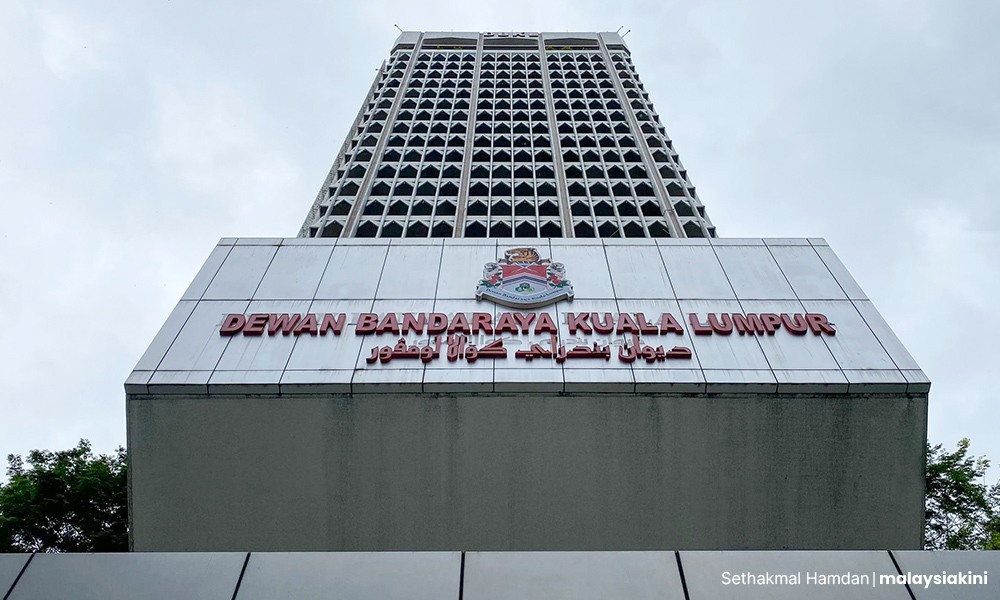
It promised to “empower democracy and transparency in DBKL systematically” to ensure representation for the people, not developers.
But even a proposed government study into the feasibility of Kuala Lumpur mayoral elections sparked fierce political debate, with PAS warning of a governance crisis and DAP accusing its rival of fear-mongering to avoid democratic accountability.
So, does it really matter to voters if election promises are not kept? Or do politicians keep the best just when elections are around the corner?
Here’s another question: Is there a need for health warnings like those on cigarette packets along these lines: “Warning: Reading and believing this manifesto may result in chronic disappointment, recurring headaches, and sudden bursts of rage when promises evaporate.
“Side effects include misplaced hope, delayed reforms, and the realisation that accountability is only enforceable at the ballot box. Consult your conscience before consumption. Not legally binding. Terms and conditions do not apply.” - Mkini
R. NADESWARAN is a veteran, award-winning journalist who writes on bread-and-butter issues. Comments: citizen.nades22@gmail.com
The views expressed here are those of the author/contributor and do not necessarily represent the views of MMKtT.

No comments:
Post a Comment
Note: Only a member of this blog may post a comment.