



FOR decades, race has been one of the sharpest tools in Malaysian politics. It shaped narratives, influenced alliances, and determined how campaigns were run. Closely linked with religion, it became the default lens through which voters were understood and mobilised. But something has been changing.
If we study the last general election carefully, we can see a shift. Race did not disappear, but it was no longer the only, or even the most decisive, factor. Another force began to rise above it. That force is values.
The universal moral alignment
Across Malaysia, people from different races and religions are converging on a shared position: corruption is wrong.
A Muslim sees it as a betrayal of amanah. A Christian sees it as a failure of integrity. A Hindu sees it as a violation of dharma. A Buddhist sees it as a failure of right conduct. A Taoist sees it as a disruption of harmony. A Sikh sees it as a violation of justice and righteous living.
Different traditions, same conclusion. This is not political alignment; it is moral alignment. And it is reshaping how Malaysians judge their leaders.
The failure of the old formula
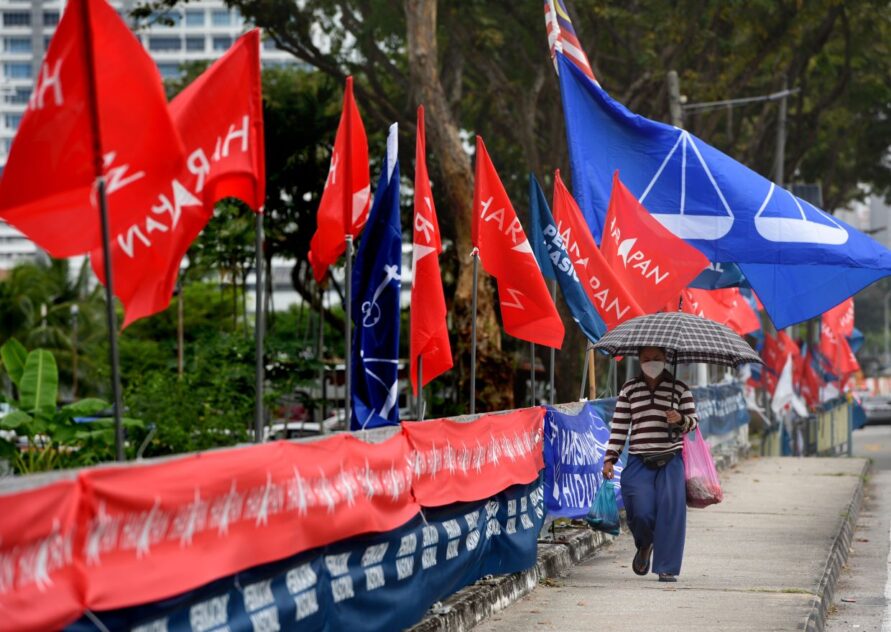
Yet many political commentators and practitioners remain trapped in an outdated model. They still believe elections are won by mobilising along racial lines. It has become an automatic response, a familiar strategy repeated over decades.
Take the Prime Minister. Many argue that he is trying to win back Malay votes. Since taking office, he has been widely perceived, and often criticised, as making a strong push towards the Malay electorate.
The narrative is that this is necessary because Malay support remains with the opposition, particularly Perikatan Nasional. At the same time, another claim is made: that in doing so, he is gradually losing his non-Malay base.
On the surface, this appears to be a straightforward political calculation. But it is not working. Malay support has not shifted significantly, while there is visible unease among segments of non-Malay voters.
Many observers immediately frame this as a racial balancing issue. But that is an oversimplification; it fails to capture what is actually happening on the ground.
Credibility over identity
The dissatisfaction we are seeing today is not primarily about race or religion. It is about credibility, consistency, and trust.
Malaysians are asking simple but powerful questions: Did you keep your promises? Did you say one thing before the election and do another after? Are you applying the same standards to everyone? Are you sincere?
This is not a racial judgement. It is a values judgement. There is a growing sense that Malaysians are tired of being misled, talked down to, and taken for granted. Many feel they have been “played.”
Over the years, promises have been made and broken, positions taken and later abandoned, and principles applied selectively depending on who is involved. This is what frustrates Malaysians. Not race. Not religion. But hypocrisy.
A more conscious electorate
Malaysians today are more exposed, informed, and aware. We are no longer evaluating leaders based solely on identity, but on whether they are credible and capable.
Do they keep their word? Can they manage the economy? Are they serious about improving education, infrastructure, and daily life?
People understand that perfection is unrealistic. Resources are limited. But they expect fairness, balance, and proportion.
Often, it is not just what is done that frustrates people, but how it is done. When actions appear excessive, selective, or politically calculated, trust erodes.
MAHAL: The new standard
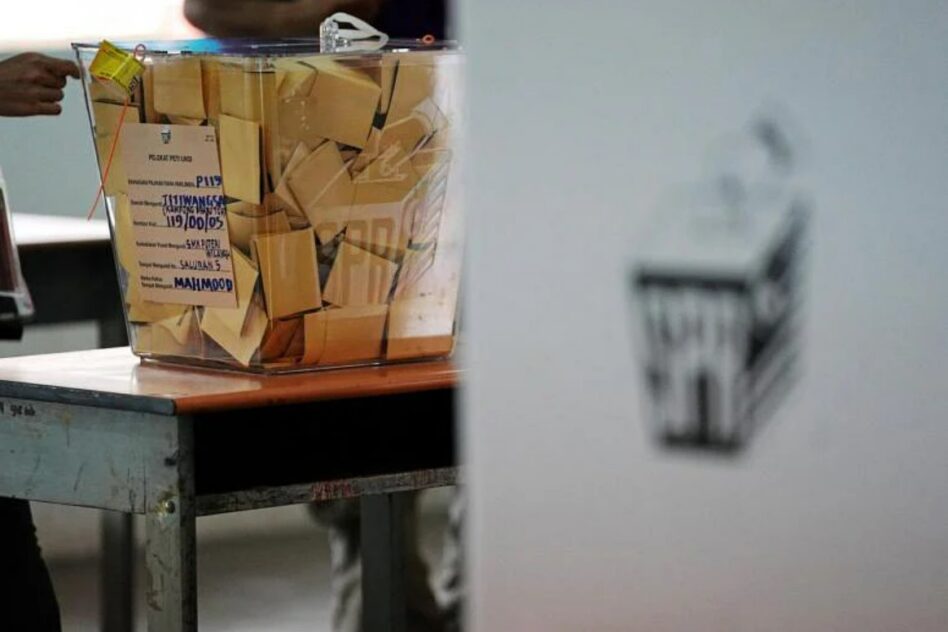
At its core, the demand is simple. Malaysians are looking for authentic leadership—leaders whose words and actions are aligned, and who reduce uncertainty rather than create it. This is the minimum standard.
Yet many feel this standard has not been met. Over the past decade, repeated cycles of over-promising and under-delivering have made Malaysians more sensitive than ever to being misled. Trust has become fragile, and once broken, it is not easily repaired.
This is why a simple idea captures the current mood: MAHAL—Malaysians Against Hypocrisy and Lying. This is not merely a slogan; it reflects a sentiment that is already widespread. Malaysians are not asking for perfection, but for honesty, consistency, and fairness.
The real question for GE16
Until politicians recognise this shift, they will continue to rely on outdated strategies. They will overplay race and identity, and they will miss the point. The issue is not whether a leader is “pro-Malay” or “pro-non-Malay.” The issue is whether that leader is credible.
As Malaysia moves towards GE16, race and religion will remain part of the political landscape, but they will no longer dominate it.
Voters are asking a deeper question: Can we trust you? Will you act fairly? Will you do the right thing consistently? Malaysians are no longer just listening to what leaders say; they are watching what they do.
At its core, the expectation is simple: a government that works, improves the economy, and applies the law fairly—not one that selectively protects some while punishing others.
Just a government that does the right thing. Consistently.
Is that too much to ask?
Anas Zubedy
Kuala Lumpur
The views expressed are solely of the author and do not necessarily reflect those of MMKtT.
- Focus Malaysia

No comments:
Post a Comment
Note: Only a member of this blog may post a comment.