


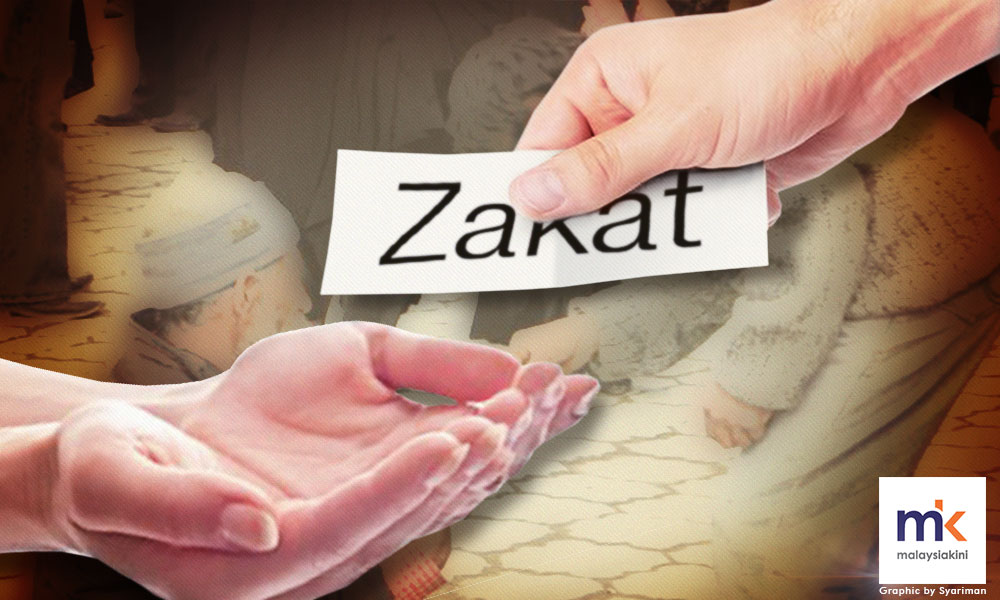
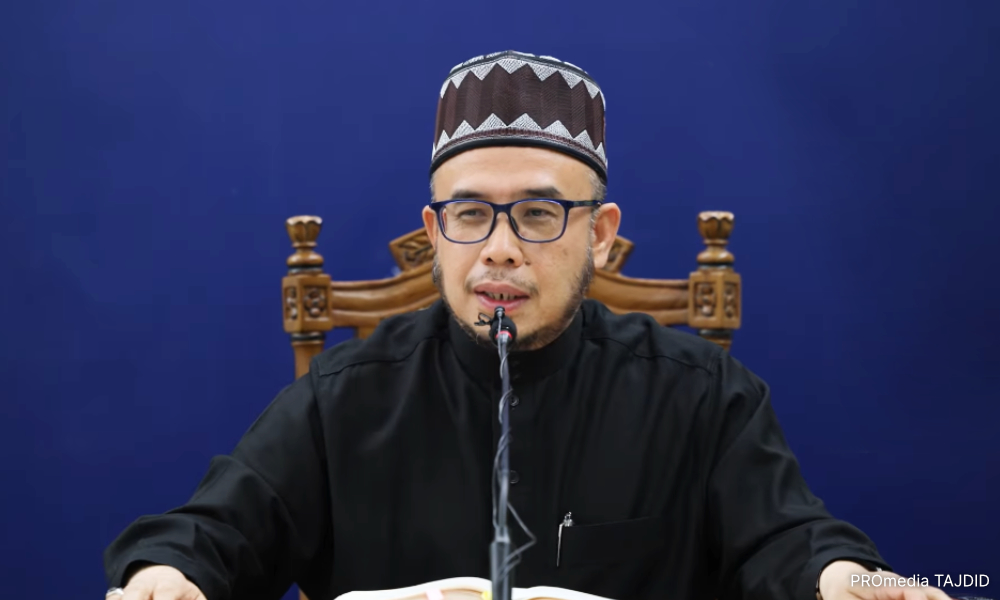
A detailed annual report and open disclosure of performance should be standard practice for bodies entrusted with collecting and distributing zakat funds, said PAS secretary-general Takiyuddin Hassan.
In a statement, he emphasised that zakat is a sacred trust that contributors have in religious authorities, and the funds must be managed with integrity, transparency, and fairness for the benefit of asnaf groups and those in need.
He said allegations of misappropriation, mismanagement, or governance weaknesses - whether involving state agencies, individuals, or third parties - must be addressed promptly, honestly, and without bias or fear.
“At its core, this controversy is an issue of governance and integrity.
“Questions surrounding the management of zakat funds require convincing explanations and proper accountability, including from the state government,” said the Kota Bharu MP.
“Secondly, it also points to possible structural and systemic weaknesses related to interpretation, approvals, monitoring, and distribution of zakat funds.
“As it involves public funds - particularly religious funds of significant value - internal controls must always be robust and beyond question,” he added.
RM230m allegedly misappropriated
He was responding to a recent controversy where three individuals were arrested and remanded, allegedly over the misappropriation of zakat funds in Perlis.
The individuals were reportedly suspected of misappropriating some RM230 million, and the MACC also seized 18 luxury vehicles and other assets.
“In this regard, PAS calls for several steps to be taken moving forward, including an immediate, comprehensive, and independent investigation, with full cooperation from all parties involved.
“Secondly, governance processes, approvals, and fund flows must be detailed transparently within the bounds of ongoing lawful proceedings,” he said.
“A forensic audit should also be conducted to identify weaknesses, determine responsibility, and recommend appropriate and effective corrective measures,” he stressed.
Agency roles, procedures under scrutiny
Commenting further, Takiyuddin noted that based on statements issued by multiple parties, including the state mufti’s office, Perlis Islamic and Malay Customs Council (Maips), and Islamic Development Department (Jakim), there appear to be contradictions and confusion regarding jurisdiction, legal authority, and institutional accountability.
“The public has the right to clear explanations on the roles, jurisdiction, and responsibilities of each agency or authority involved in zakat administration,” he said.
On April 22, Perlis mufti Asri Zainul Abidin said he met with one of those under arrest and confirmed that Maips had followed the zakat distribution procedure.
This includes allocating a portion of the funds to the individual or group that helped reach out to the zakat contributors, he said.
On the same day, NGO Ikram Malaysia pledged full cooperation with the MACC investigation, after three of its members were detained.
Trust central to zakat system
Takiyuddin warned that trust is the foundation of the zakat system.
“If confidence declines or collapses, the ultimate victims will be the poor and needy who depend on timely and effective assistance.
“This issue also carries broader implications for the credibility of leadership, processes, and institutional responsibility, which must be addressed firmly and professionally,” he stressed.
MACC chief commissioner Azam Baki previously said the case does not involve funds from any zakat institution in the country.
Instead, he said the NGO received donations from various parties and sources, including commissions from certain collections for those in need. - Mkini

No comments:
Post a Comment
Note: Only a member of this blog may post a comment.