


The Energy Commission has taken steps to ensure the continued supply of feedstock, particularly gas and coal for electricity generation, as it monitors developments in West Asia, with the conflict in the region entering its second month.
“For example, we have secured a full stock of coal to ensure a stable supply. We are also ensuring that all our power plants are operationally ready and available as needed throughout the year,” its chief executive officer, Siti Safinah Salleh, said today.
However, these measures are primarily on the supply side, she told reporters at the ST Annual Regulatory Review 2026 here today.
Apart from that, the commission is also working with the Finance Ministry and other agencies to explore other measures that can be taken collectively, she said.
While the commission and government units have all hands on deck, it is worth acknowledging that Malaysia is not fully insulated from the fallout of the West Asia conflict.
She said cost implications would kick in as soon as June.
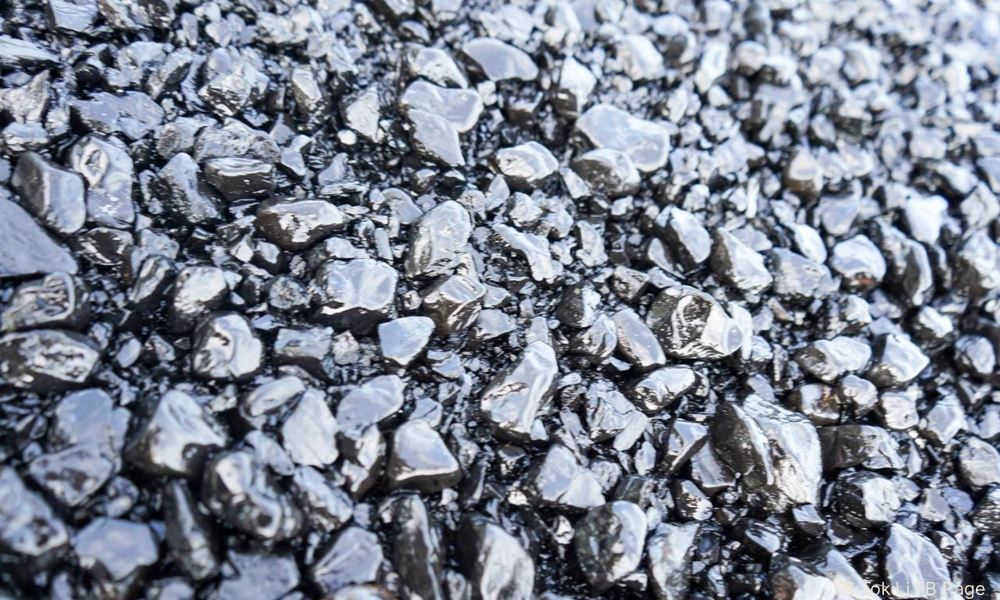
Malaysia imports 65 percent of its coal from Indonesia, 20 percent from Australia, and the remaining from other places. For gas, only 20 percent is sourced from abroad, largely from Australia, while 80 percent is sourced domestically.
Meanwhile, Siti said, despite the ongoing conflicts, Automatic Fuel Adjustment (AFA) is projected to continue reflecting rebates up until June or July onwards. However, she added that, given the current situation, energy costs will increase.
“Natural gas and coal prices are linked to energy market indices, which are under pressure from global supply disruption arising from the ongoing developments and crisis in West Asia.
“Nevertheless, our electricity and gas energy rates adjustments in tariff will be made periodically based on the cost to supply those fuels,” she said.
When asked whether the commission is looking at an adjustment reflecting the current situation, Siti said that the AFA forecast is still below the current threshold of 10 percent of the prevailing month cost generation.
She said if it goes beyond the threshold, the commission will ask the government for a decision on whether to partially pass the cost to consumers.
Meanwhile, she emphasised the importance of managing demand, noting that energy security depends not only on supply but also on consumer awareness and responsible usage.
“So that's why we need the word to get out there that at the end of the day, everyone has to play their part,” she added.
Yesterday, TNB announced that the AFA for April would result in consumers receiving a slightly lower rebate of 0.47 sen per kilowatt hour (kWh). The utility firm also said the three-month AFA rate forecast for May (-39 sen kWh), June (-91 sen kWh), and July (+8.0 sen kWh).
The AFA, a mechanism that adjusts based on the market cost of fuel (gas, coal, etc) and foreign exchange rates, has replaced the previous Imbalance Cost Pass-Through as a mechanism to calculate the electricity bill.
- Bernama

No comments:
Post a Comment
Note: Only a member of this blog may post a comment.