


The United States and Indonesia have announced a defence partnership, signalling closer strategic ties between the two countries.
In a joint statement, US Defense Secretary Pete Hegseth and Indonesian Defence Minister Sjafrie Sjamsoeddin said the partnership - dubbed the “Major Defence Cooperation Partnership” (MDCP) - affirms their shared commitment to maintaining peace and stability in the Indo-Pacific region.
However, the statement is silent on “blanket overflight rights” sought by the US, which would allow its military aircraft unfettered access through Indonesian airspace instead of requiring diplomatic clearance.
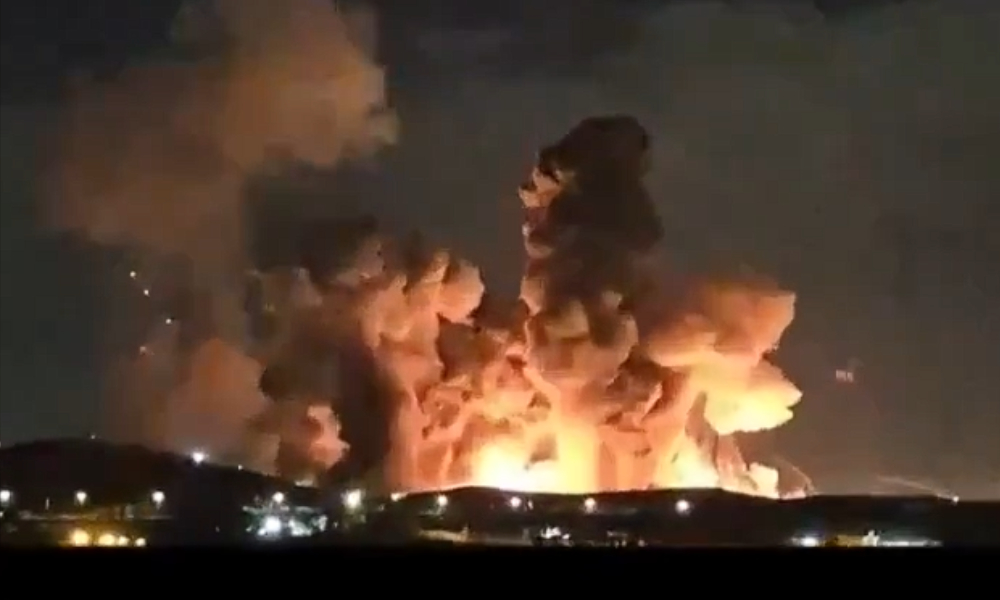
Overflight rights have been a sticking point in the ongoing conflict in West Asia, as several European countries denied or limited access to their bases and airspace to the US.
This forced US military aircraft based on the continent - particularly long-range bombers - to fly a circuitous route to reach Iran.
Instead, the US and Indonesia said the MDCP will focus on areas such as military modernisation and capacity building, particularly joint special forces training and “next-generation defence technologies in the maritime, subsurface, and autonomous systems domains”.
They would also cooperate on maintenance, repair, and overhaul support to improve operational readiness.
“These engagements will advance mutual security interests and forge even stronger, more resilient bonds between American and Indonesian service members through expanded opportunities in premier professional military education and the establishment of defence alumni ties,” they said.
Commenting on the development, former Singaporean MP Calvin Cheng noted Singapore, Thailand, and the Philippines also have permanent military arrangements with the US.

“Now that Indonesia has stepped up, Malaysia is surrounded,” he said on Facebook.
Pacific pivot by the US
For context, successive US administrations have attempted to establish a stronger military presence in the Pacific Ocean to counterbalance China’s growing influence, and deter or fight a potential armed conflict.
Of particular importance is the so-called “First Island Chain” stretching from Japan to Taiwan, the Philippines, and Borneo.
A presence on these islands is seen as a key step towards containing Chinese military activities in the Pacific in the event of a conflict.
However, US efforts to “pivot” to the Pacific have been stymied by commitments elsewhere, such as flashpoints in Ukraine and West Asia.
Last month, Lynas signed a letter of intent with the US Department of Defense to supply rare earth minerals to the latter’s defence industry, which would be produced by its refinery in Gebeng, Pahang.
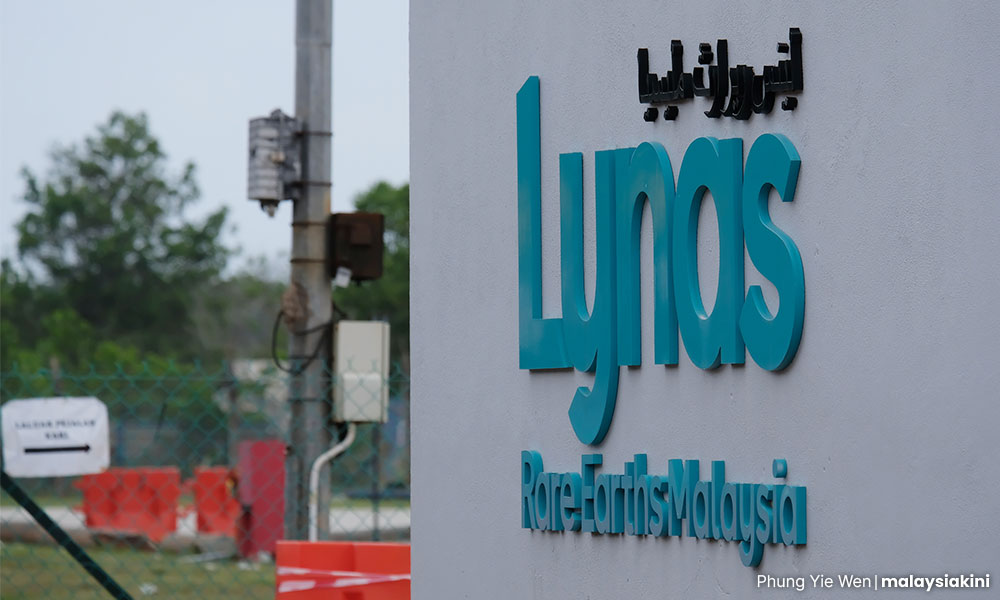
The facility is the only significant producer of separated rare earth oxides outside of China, which restricts rare earth exports.
Critics such as Subang MP Wong Chen argued that the move - along with allowing US warships to dock in Penang - is inconsistent with Putrajaya’s anti-war stance. - Mkini

No comments:
Post a Comment
Note: Only a member of this blog may post a comment.