


WWF-Malaysia says decisions of this nature must prioritise animal health, long-term welfare, and international cooperation.
WWF-Malaysia said decisions of this nature must prioritise animal health, long-term welfare, and international cooperation.
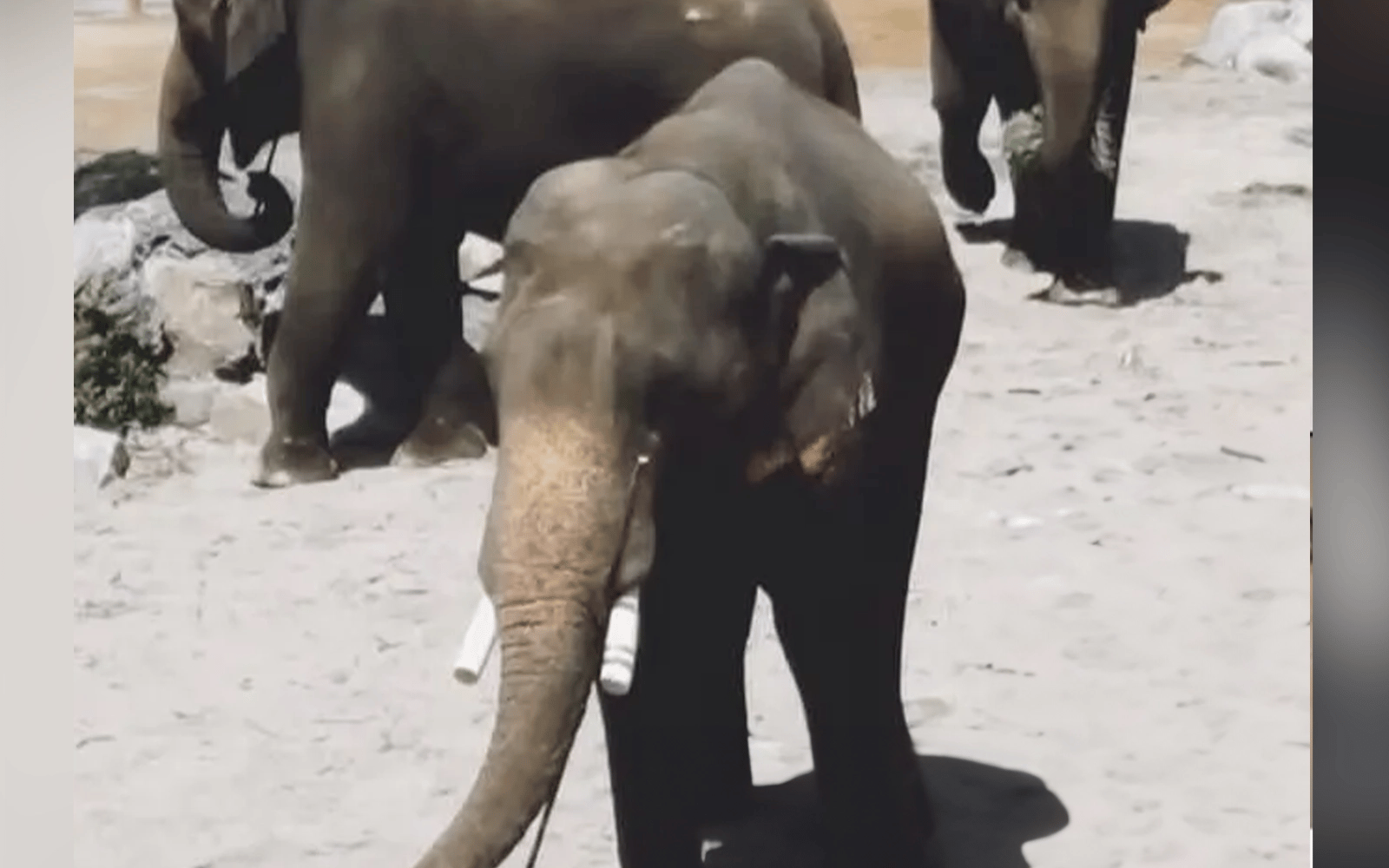
The elephants – Dara, Amoi and Kelat – arrived at Tennoji Zoo in Osaka on March 11 as part of the Malaysian Elephant Conservation Programme for breeding and research purposes.
Several animal welfare groups and netizens have raised concern over their welfare, saying the animals should be in the wild rather than in a zoo.
On Wednesday, natural resources and environment minister Arthur Joseph Kurup said while his ministry is not a party to the Taiping Zoo and Night Safari’s transfer agreement with Tennoji Zoo, there are legitimate grounds behind the animal welfare groups’ demand that the elephants be brought home.
Pahang menteri besar Wan Rosdy Wan Ismail also said the elephants should be returned to Malaysia and placed at the Kuala Gandah national elephant conservation centre in Temerloh, which he described as more suitable for their natural habitat and needs.
In a statement this morning, WWF-Malaysia said recent public reaction over the treatment of the three elephants shows that Malaysians care deeply about the welfare of wildlife.
“That concern is valid. It should not be dismissed,” it said.
“At WWF-Malaysia, we share this concern. Elephants are sentient, social animals with intricate needs. Any situation that raises questions about their well-being deserves attention, scrutiny, and a measured response guided by science, compassion, and a steadfast commitment to animal welfare.”
Clarifying its role, WWF-Malaysia said it does not manage elephants in captivity or oversee decisions related to zoological institutions.
“Our mandate focuses on elephants in the wild, whose future is under constant pressure.
“In Malaysia, wild elephant populations face habitat loss, fragmentation, poaching, and increasing human-elephant conflict.
“These are urgent challenges that require sustained, science-based intervention and partnerships with stakeholders.
“That said, we are not indifferent to the current situation. We are engaging relevant stakeholders to better understand the circumstances and to ensure that any decisions made are informed by animal welfare considerations and sound conservation principles.”
WWF-Malaysia said it remains committed to protecting elephants in Malaysia, securing their habitats, reducing conflict, combatting poaching, and ensuring that future generations inherit a landscape where elephants can survive and thrive. - FMT

No comments:
Post a Comment
Note: Only a member of this blog may post a comment.