


Opposition MPs walking out of Parliament during yesterday’s session on the Tabung Haji royal commission of inquiry report have sparked calls for their taxpayer-funded allowances to be docked.
Observers said that the Perikatan Nasional MPs’ argument that the session should be postponed as Prime Minister Anwar Ibrahim was absent due to hospitalisation did not justify the walkout.
Universiti Malaya political analyst Tawfik Yaakub said it is an MP’s job to debate matters of public interest in Parliament, and they did not live up to that.
“The public has the right to ask: if ordinary workers can face disciplinary action for being absent without a reason, why can’t elected representatives who receive salaries, allowances, and various facilities from public funds be held to the same level of accountability?
“To me, future parliamentary reform is not just about strengthening the power of the house, but also ensuring every MP is truly accountable for the mandate given by the people.
“While some parties view walking out as a political strategy, abandoning responsibilities should not become an accepted political culture,” Tawfik asserted.

He noted that while justified political protests differ from avoiding debate responsibilities, non-discriminatory principles must apply equally to government and opposition MPs.
To enforce accountability, Tawfik proposed publicising attendance registers, docking daily sitting allowances for unexcused absences, and fining repeat offenders.
He added that persistent absenteeism should be referred to parliamentary committees and result in lost privileges, including pensions.
‘Parliament needs to be firmer’
Ilham Centre chief researcher Yusri Ibrahim likewise argued that Parliament must take tough action against all MPs who participate in such walkouts, regardless of whether they belong to the government or opposition.
The Universiti Malaysia Terengganu lecturer insisted that Parliament withhold all logistical claims and allowances from the involved lawmakers, noting that public funds pay for these amenities.
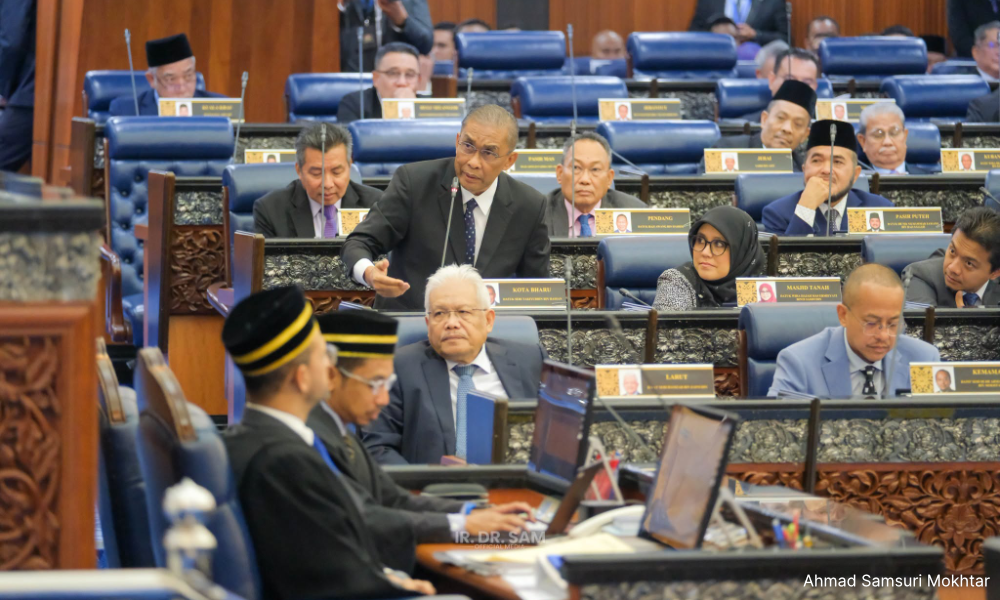
“Even though they were initially present in the Dewan Rakyat, that presence did not fulfil the purpose of the session.
“Parliament needs to be firmer because every sen of the remuneration and amenities for MPs is paid for using public funds, taxpayers’ money.
“The enforcement of any rules must be applied flexibly, without bias or favouritism, applicable to both government and opposition blocs,” he told Malaysiakini.
Yusri acknowledged that walkouts might be tolerated as political protest if no public interest is harmed, but emphasised that Parliament must act when proceedings on critical national agendas are blatantly disrupted.
He advocated for phased enforcement, starting with the slashing of allowances and logistical claims, arguing that even if wealthy MPs are unaffected financially, it signals that Parliament prioritises public interest.
Transparent attendance tracking needed
Universiti Sains Malaysia political analyst Sivamurugan Pandian warned that such walkouts will persist as long as politicians prioritise protest over parliamentary debate.
He acknowledged that walking out is a symbolic gesture of opposition, but warned that frequent exits punish the institution and disregard the mandate of voters whose views should be represented through arguments and votes.
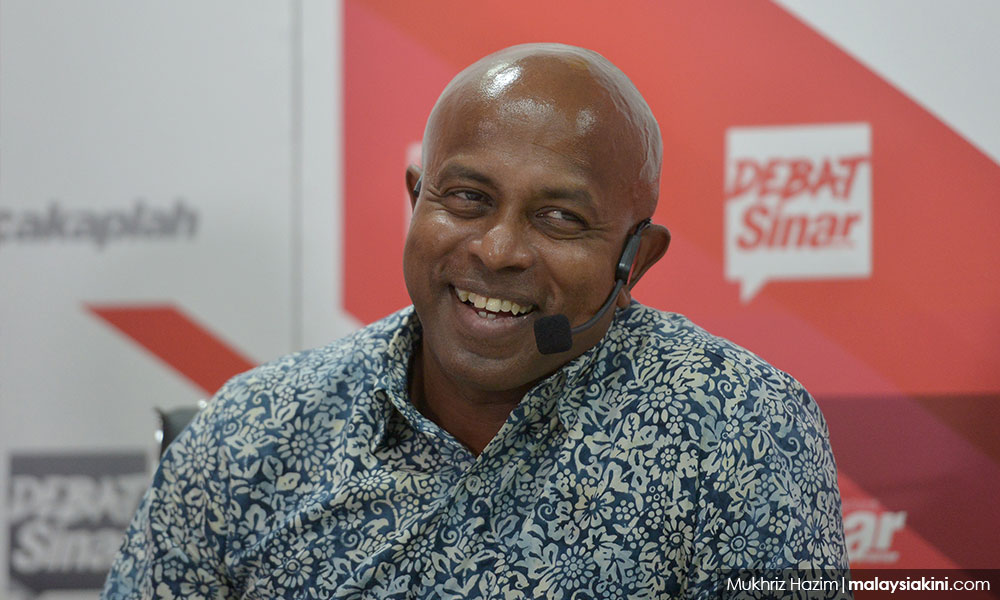
He pointed out that political walkouts are not unprecedented in the Dewan Rakyat and all sides have participated in them before.
To curb this trend, Sivamurugan called for transparent attendance tracking and consensus-based penalties for unexcused absences.
“The issue of (abolishing) pensions can be studied, but I am more in favour of linking allowances or certain facilities to the level of attendance and participation, rather than punishing all absent MPs outright,” he added.
‘Perhaps they did not understand report’
Meanwhile, Nusantara Academy for Strategic Research senior fellow Azmi Hassan condemned the opposition walkout over the Tabung Haji report, calling it deeply disappointing given the subject’s critical nature.
He noted that the participation of Pakatan Harapan, BN, Gabungan Parti Sarawak, and Gabungan Rakyat Sabah MPs had proven that the complex report warranted serious debate, adding that Anwar’s absence was no excuse since the deputy prime minister and religious affairs minister were present.
He suggested the opposition may have walked out simply to conceal a lack of preparation and factual understanding required for such a technical document.
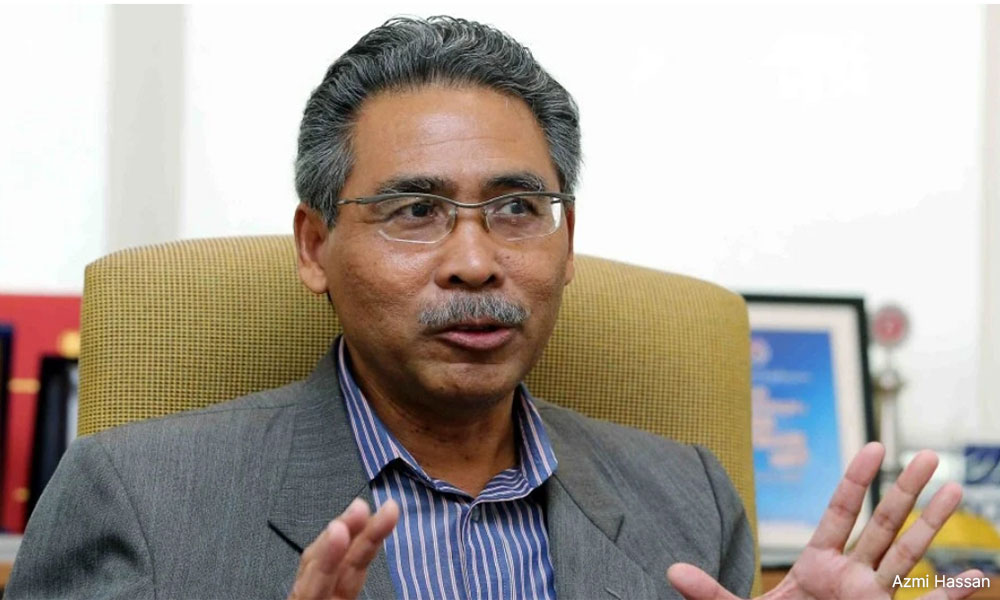
“Debating requires digesting the report and understanding it.
“Perhaps to avoid looking like they lacked depth and knowledge regarding the report when debating, I feel this might have prompted the PAS MPs to leave, and MPs from Wawasan Negara also did not participate,” Azmi said.
However, he questioned the effectiveness of tracking MPs’ attendance or docking their pay, arguing that physical presence inside the chamber does not guarantee meaningful participation.
Calling for an evaluation mechanism that measures debate quality over raw attendance, he noted that punishing lawmakers is difficult when existing statistics only track physical presence rather than active involvement.
Azmi added that without performance metrics that evaluate the quality of debates, the public remains unable to properly assess their elected representatives. - Mkini

No comments:
Post a Comment
Note: Only a member of this blog may post a comment.