



BUYING your first car is exciting, but does it have to be brand-new? A used car could offer a higher-spec model, more features and better value without stretching your budget.
One reason is depreciation. New cars lose value over time, particularly during their first few years. Buying pre-owned could help you avoid absorbing as much of that initial depreciation while getting a vehicle that suits your needs and budget.
Of course, hidden problems and unexpected repair costs can make buying second-hand daunting but you don’t need to be a car expert to make a smart purchase.
These seven checks can help you find the right car and avoid costly surprises.
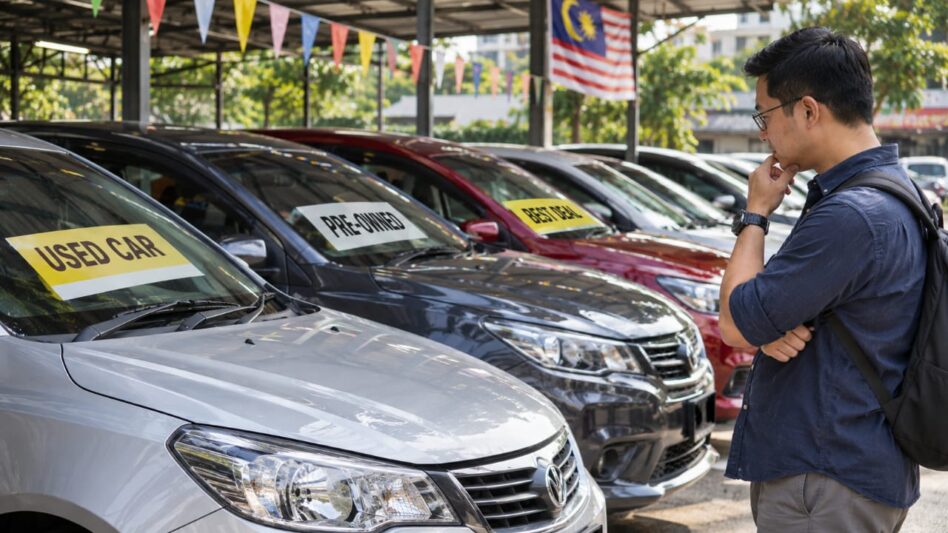
- Check who is selling before getting excited about the car
Found a car you like? Before paying a deposit, check who you’re dealing with. Look for clear seller details, ensure the vehicle information is consistent and ask whether you can view the car in person.
Be cautious of sellers who rush you into payment or refuse to provide additional details.
If possible, verify the seller’s identity and whether they are the registered owner or authorised to sell the vehicle. Avoid transferring money before you’ve established that the seller and vehicle are legitimate.
- Compare prices before calling it a bargain
A lower price doesn’t always mean better value. Compare similar cars based on their model, year, mileage and condition.
A cheaper listing might look like a steal, but unexpected repairs and financing costs could quickly eat into those savings. Consider the total cost of ownership, including insurance, road tax, servicing and potential repairs.
- Look beyond the listing photos
A freshly polished car can look almost brand-new, but what does the listing actually tell you?
Check the manufacturing year, mileage, specifications and disclosed repairs. Ask whether the vehicle has been involved in accidents, experienced flooding or undergone major repairs.
One useful question is whether the advertised price includes processing and ownership-transfer fees. Knowing the full cost upfront helps you compare deals fairly.
- Inspect the car in person, not just on your phone
Arrange a daytime viewing and, where possible, a test drive. Pay attention to:
Exterior: Uneven panel gaps, mismatched paint and irregular tyre wear.
Interior: Musty smells, damp carpets or rust around seat rails, which may suggest water exposure.
Under the bonnet: Visible leaks, damaged hoses or signs of poor maintenance.
Test drive: Unusual noises, vibrations, braking issues or delayed gear changes.
These signs don’t automatically mean a car is damaged, but they warrant further investigation. Raise any concerns with the seller before proceeding. If you’re unfamiliar with cars, bring someone knowledgeable along.
- Don’t mistake a PUSPAKOM pass for a clean bill of health
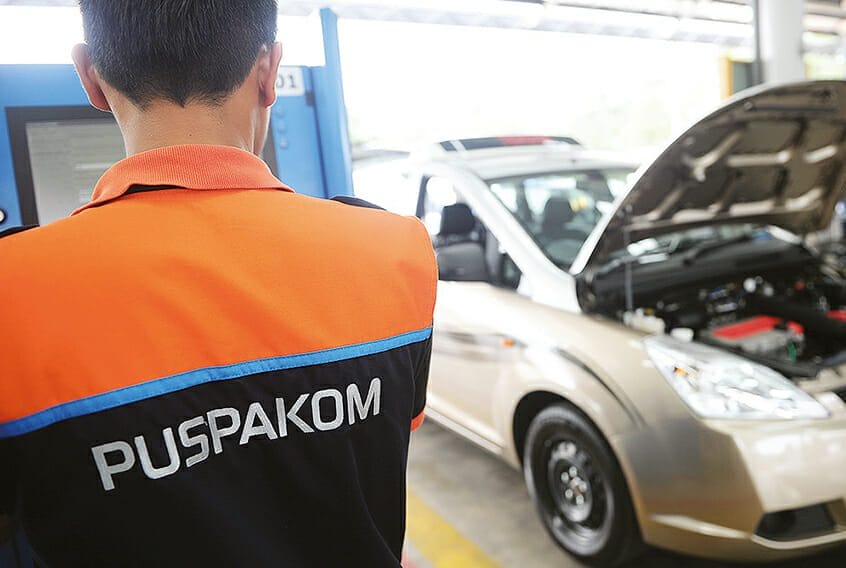
The mandatory PUSPAKOM ownership-transfer inspection checks vehicle identity and certain aspects of compliance, including potential cut-and-join modifications. It is not a comprehensive mechanical inspection.
Review service records for maintenance history and possible mileage discrepancies. If the odometer reads 75,000km but an older service record shows 90,000km, that’s a red flag.
For added peace of mind, consider an independent mechanical inspection before buying.
- Know what your warranty actually covers
A warranty sounds reassuring, but don’t assume every repair is covered.
Ask the seller: “If the gearbox fails three months after purchase, will the warranty cover it, and will I need to pay anything?”
Check the coverage period, exclusions, claim limits and servicing requirements. Some warranties only apply at approved workshops, while others may exclude wear-and-tear components or impose limits on individual claims.
Get the terms in writing and make sure you understand what you’re signing up for.
- Double-check the paperwork before paying
Confirm the seller is authorised to sell the car. Check that the chassis and engine numbers match the registration details, and ensure no outstanding loans or restrictions affect the ownership transfer.
If you’re financing the car, compare the total repayment, not just the monthly instalment. As a budgeting guideline, try to keep total car-related expenses, including instalments, insurance, road tax and servicing, within 20–30% of your income.
Confirm who handles the PUSPAKOM inspection, JPJ ownership transfer and related fees. Always get a written receipt for any deposit, including the payment amount and refund conditions.
The best deal is one you can buy with confidence
Buying second-hand doesn’t have to mean settling for less. With the right checks, you can find a car that suits your needs without paying more than necessary.
Whatever catches your eye, take the time to do your homework. A good deal should still look good after you’ve checked the details. ‒ Focus Malaysia

No comments:
Post a Comment
Note: Only a member of this blog may post a comment.