


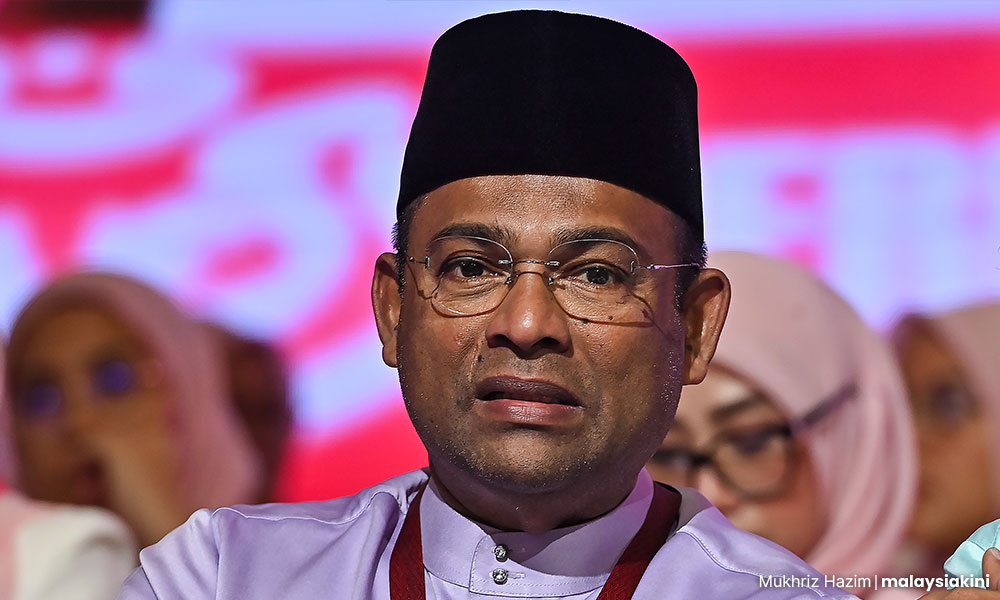
Umno secretary-general Asyraf Wajdi Dusuki has denied any involvement in Tabung Haji decisions during his tenure as deputy minister, after questions were raised over his attendance at a 2017 signing ceremony linked to the troubled investment in Al-Rawda Real Estate Development and Project Management Co Ltd.
“Wow, it seems there is a concerted effort to tarnish and destroy my image by trying to link me to any issue involving Tabung Haji,” Asyraf (above) said on Facebook.
The Umno leader said he attended the ceremony as Malaysia’s chief of the haj delegation.
“For the record, I was asked to serve as Malaysia’s Chief of the Hajj Delegation in 2017, replacing the minister.
“As I happened to be in Makkah at the time, I was invited to represent the minister at the event,” he said in a comment posted on a Facebook post that shared a photograph taken during the signing ceremony.
The photograph showed Asyraf alongside the then-Tabung Haji chairperson, Abdul Azeez Abdul Rahim, and others involved in signing the 10-year lease extension agreement.
The initial Al-Rawda deal involved lease agreements from 2015 to 2017, under which Tabung Haji paid 1.4 billion Saudi riyals, or about RM1.5 billion, to an intermediary to lease four hotels in Makkah and Madinah.
Al-Rawda was supposed to operate the hotels and pay Tabung Haji 2.49 billion Saudi riyals (RM2.7 billion) in rent, but defaulted from the first quarter of 2019.
Tabung Haji eventually recorded a full RM1 billion impairment in 2024.
Asyraf stressed that a deputy minister had no authority over the operations or approval processes of agencies under the Prime Minister’s Department, including Tabung Haji.
“A deputy minister cannot, and in fact, has no authority to be directly involved in operations or policy decisions, even when acting in place of the minister,” he said.
‘Responsibility lies with CEO, management’
He said the Tabung Haji Act placed responsibility for administration and operations with its CEO and management, while the chairperson and board served as a check and balance, with major policies referred to the minister for a final decision.
Asyraf said this also explains why he had never been called for questioning by the royal commission of inquiry or enforcement agencies.
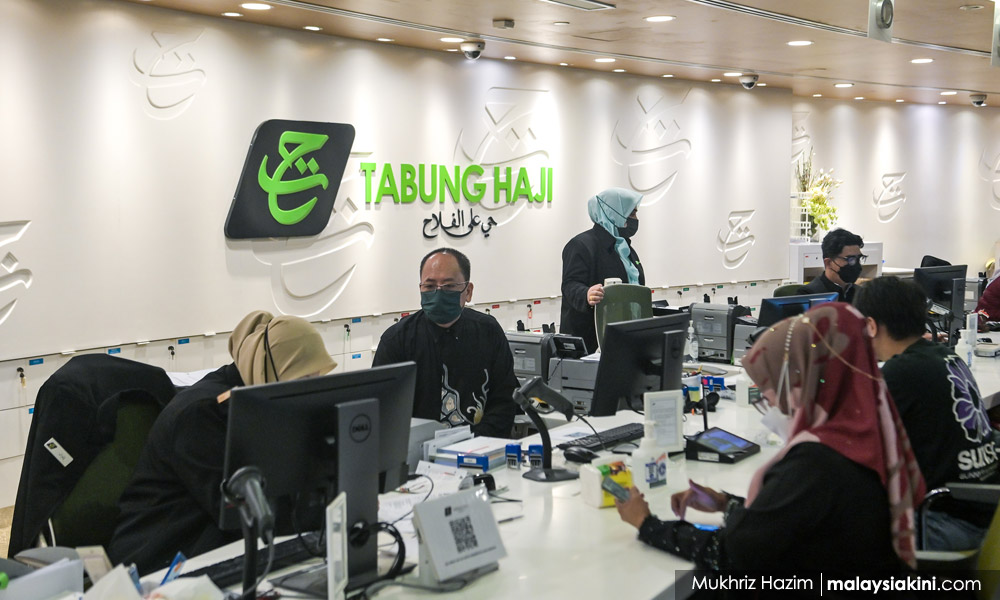
“That is why, from the outset, during my time as deputy minister, I was never called in even for questioning, whether by the RCI or by the authorities, be it the police, MACC or the Inland Revenue Board, because I was not a party with any authority or involvement, either directly or indirectly.
“In fact, the Tabung Haji RCI report does not mention or implicate me at all in my capacity as deputy minister,” he said.
Largest problematic investment
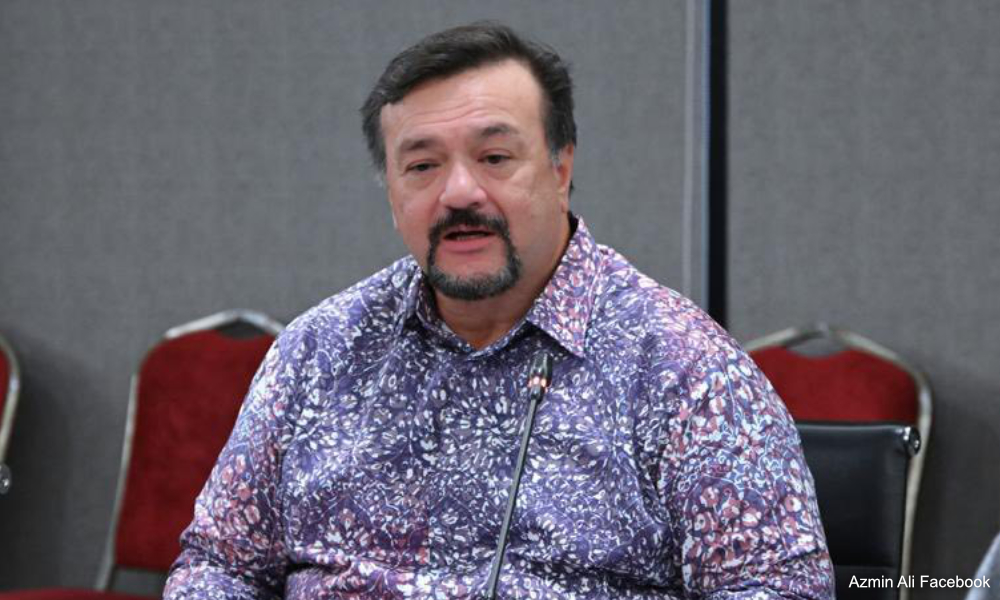
The questions arose after Finance Minister II Amir Hamzah Azizan told the Dewan Rakyat on Aug 11 that Al-Rawda accounted for the largest loss among 14 problematic Tabung Haji investments.
The investments resulted in losses of almost RM13 billion, comprising RM10.2 billion borne by the government through the 2018 Urusharta Jamaah Sdn Bhd bailout and RM2.6 billion in impairment losses borne by Tabung Haji between 2018 and 2025.
Amir said Tabung Haji’s Risk Management Department had requested a bank guarantee, but none was provided, while the due diligence report was incomplete.
Despite this, the transaction proceeded solely on the basis of a promissory note.
“What Tabung Haji had in hand was merely a promissory note. This transaction was clearly flawed from the outset, being one-sided and failing to protect the interests of Malaysian Muslims,” he said.
Amir also said investigators should determine who benefited from the transaction and whose interests were being protected. - Mkini

No comments:
Post a Comment
Note: Only a member of this blog may post a comment.