Over the course of Anwar Ibrahim’s administration since 2022, the establishment of a Malaysian Ombudsman office as a central body to manage and resolve complaints against public service delivery has been consistently touted as a key reform promise.
This promise has been repeated by the administration in national policy documents and in official statements both at the domestic and international levels.
Yet, as we approach the final Parliamentary sitting of 2026 in a few months, the legislation remains to be seen. We, the undersigned organisations and individuals, demand to know: when will the ombudsman be introduced?
The introduction of an ombudsman has been an integral element of this administration’s institutional reform efforts.
It has been mentioned as a target in the National Anti-Corruption Strategy 2024-2028, the National Action Plan on Business and Human Rights 2025-2030, and before the UN Human Rights Council during Malaysia’s Fourth cycle Universal Periodic Review in 2024.
Yet this reform agenda has been consistently delayed over the past few years.
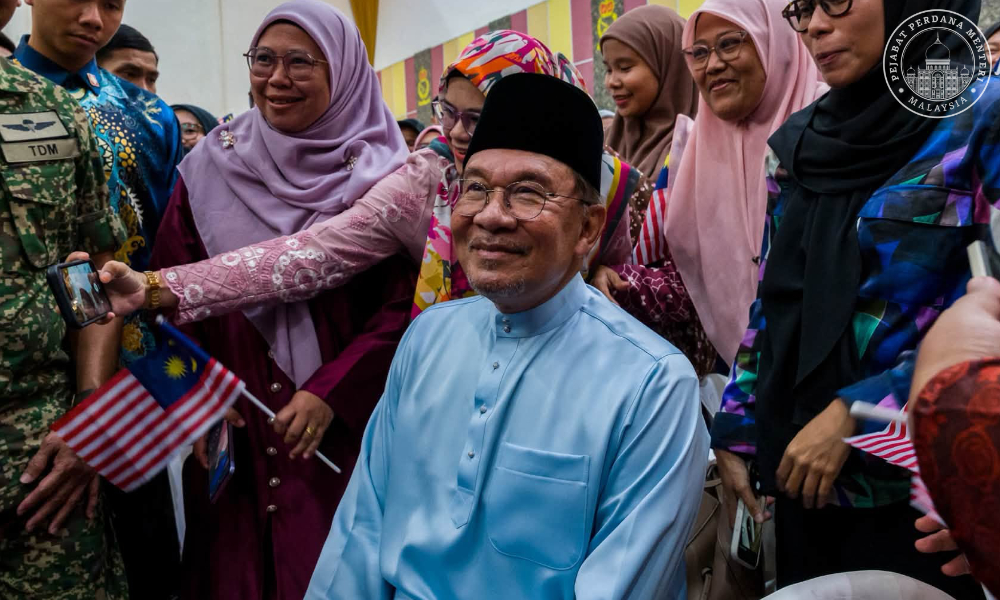
Prime Minister Anwar Ibrahim
Most recently, the prime minister announced on Facebook in December 2025 that the Ombudsman Bill was scheduled to be tabled in early 2026.
Anwar had said that the ombudsman would not only be tasked with managing and resolving public complaints, but would also be granted a broader mandate over issues of governance, misconduct, whistleblower protection, and freedom of information.
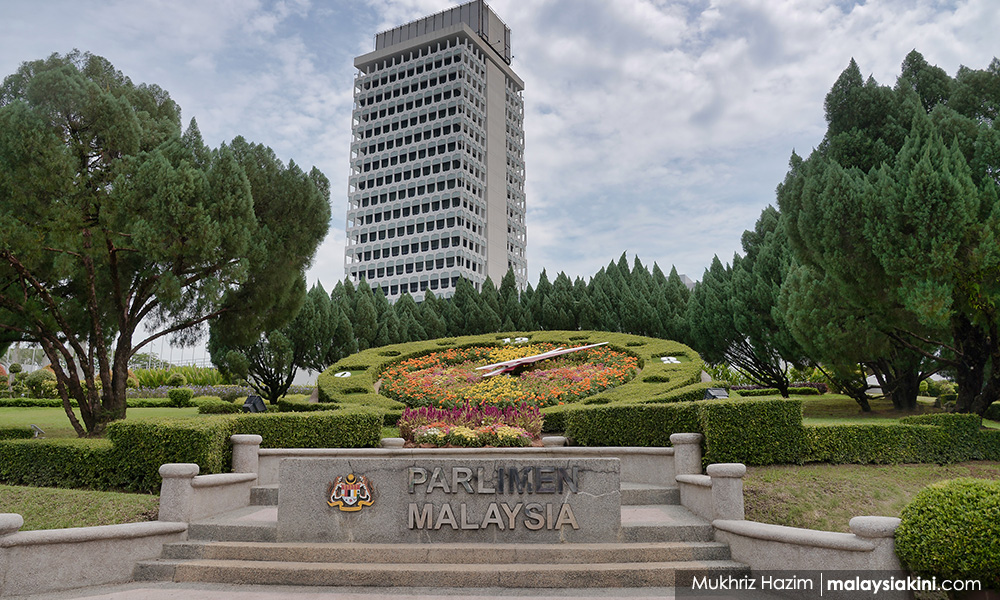
Subsequently, in May 2026, Minister in the Prime Minister’s Department (Law and Institutional Reform) Azalina Othman Said reaffirmed the government’s commitment to tabling the Ombudsman Bill in the July Parliamentary sitting.
Again and again, the government promises that this bill shall be introduced yet fails to do so at each session of Parliament.
An important legislation
The government itself clearly recognises the importance of the ombudsman, not just as an independent mechanism for the effective resolution of public complaints, but also now as an oversight body for the whistleblower protection and freedom of information frameworks.
It is telling that the recently tabled Freedom of Information Bill 2026 expressly mentions the ombudsman as an oversight body, despite the Ombudsman Act itself being non-existent - a paradoxical legal situation.
Effective and equitable public service delivery is what operationalises human rights and upholds good governance. Without it, these principles are little more than words on paper.
With this in mind, complaints against public service delivery are a useful tool to identify specific gaps and inadequacies, which can then be remedied to improve service delivery in general.
The present system of public complaints management is not streamlined and often expects the very same departments and agencies which are complained against to resolve those complaints of their own volition.
ADS
This is not an ideal mechanism, which is why the ombudsman is so important: it allows for an independent external agency to investigate and resolve complaints without conflict of interest.
Independence from executive paramount
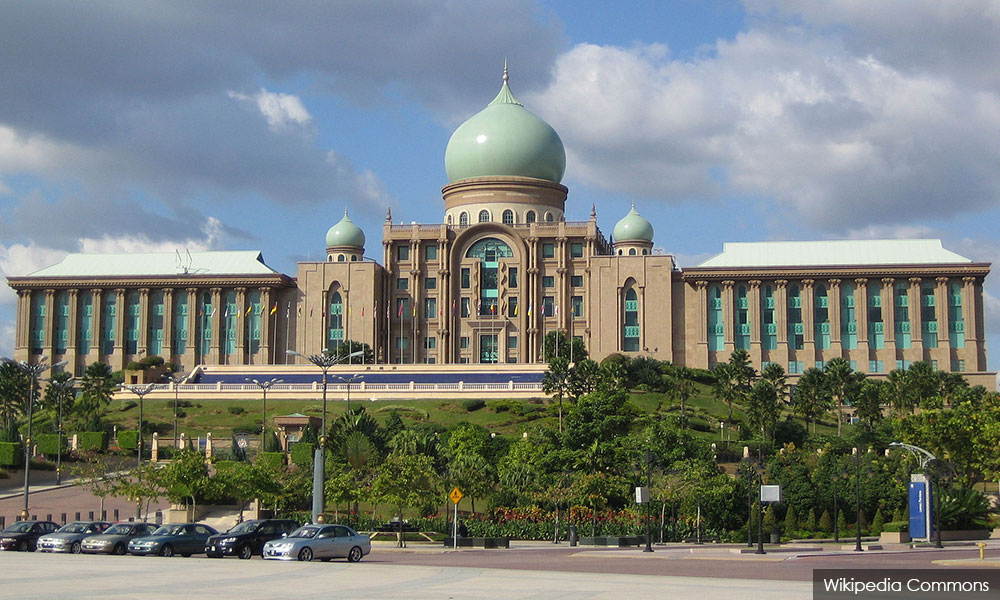
In developing this bill, the Prime Minister’s Department’s Legal Affairs Division has engaged international experts and ombudsman institutions across the world and established working committees consisting of government agencies, civil society actors, and academia.
So we now ask the cabinet: what is the outcome of all the time, effort, and resources invested in this development process?
The Ombudsman Act must include the following elements to align with international best practices:
The ombudsman must be established as an independent statutory body answerable to Parliament, not the executive;
The jurisdiction of the ombudsman’s investigative and supervisory powers must cover the public services, federal statutory bodies, and privatised public utility providers without any omissions;
The appointment and removal of the ombudsman must be done via parliamentary selection and scrutiny, with sufficiently clear statutory criteria to ensure transparency and avoid executive interference in the affairs of the body;
The ombudsman must be granted sufficient autonomy to manage its own affairs without executive control, allowing independent decision-making on matters such as staffing and budgeting;
The investigative powers of the ombudsman must be sufficiently broad to facilitate effective investigation of complaints, including the ability to launch own-motion investigations, compel cooperation by witnesses, and unrestricted access to relevant documents and premises;
Measures to ensure implementation of the ombudsman’s post-investigation recommendations must be set up, such as a statutory requirement for government bodies to provide written responses on the status of implementation, and if recommendations are not implemented, written reasons explaining why; and
A specialised Parliamentary Select Committee must be specifically constituted to deliberate on the ombudsman’s reports, conduct follow-up inquiries, issue reform recommendations, and perform oversight on the ombudsman itself.
Ombudsman Bill an opportunity
Once introduced, the ombudsman has the potential to spearhead public service delivery improvements at the federal level and enhance public trust in government.
This is an opportunity that the Anwar administration must not lose sight of. Therefore, we urge the government to:
Provide a clear and transparent timeline for the introduction of the Ombudsman Bill;
Ensure that the Ombudsman Bill sets out a progressive, rights-based framework for the structure and operations of the ombudsman that aligns with international best practice, with due regard for the importance of autonomy and structural safeguards against executive interference; and
Continue engaging with civil society and academics on the development, implementation, and reassessment of key legislation, policies and reform agendas. - Mkini
This statement was endorsed by:
Organisations:
1. Center to Combat Corruption and Cronyism (C4 Center) 2. Aliran 3. Centre for Independent Journalism (CIJ) 4. Citizens Against Enforced Disappearances (Caged) 5. Community Action Nexus Berhad 6. Consumers Association of Penang 7. Demokrat Malaya 8. Family Frontiers 9. G25 Malaysia 10. Gabungan Darurat Iklim Malaysia Berhad 11. Coalition of Free and Fair Elections (Bersih) 12. Greenpeace Malaysia 13. Himpunan Advokasi Rakyat Malaysia 14. Institute for Democracy and Economic Affairs (Ideas) 15. Jejaka 16. Justice for Sisters 17. Mandiri 18. New Generation Universiti Malaya 19. North South Initiative 20. People Like Us Hang Out! (Pluho) 21. Persatuan Aktivis Sahabat Alam (Kuasa) 22. Persatuan Martabat Untuk Semua Petaling Jaya (Martabat) 23. Persatuan Promosi Hak Asasi Manusia (Proham) 24. Pertubuhan Pelindung Khazanah Alam 25. Pride in Research 26. Project Stability and Accountability for Malaysia (Projek Sama) 27. Pusat Komas 28. Rasuah Busters 29. Sahabat Alam Malaysia 30. Siuman Collective 31. Society for Equality, Respect and Trust for All Sabah 32. Suara Rakyat Malaysia (Suaram) 33. Sustainable Development Network Malaysia (Susden Malaysia)
Individuals:
1. Brendon Gan 2. Daniel Lim 3. Hussamuddin Yaacub 4. Hasbeemasputra Abu Bakar 5. Kennedy Michael 6. Logann Kumarasu 7. Ariff Nizam 8. Shah Hakim Zain 9. Tang Yi Ze
The views expressed here are those of the author/contributor and do not necessarily represent the views of MMKtT.
No comments:
Post a Comment
Note: Only a member of this blog may post a comment.



No comments:
Post a Comment
Note: Only a member of this blog may post a comment.