


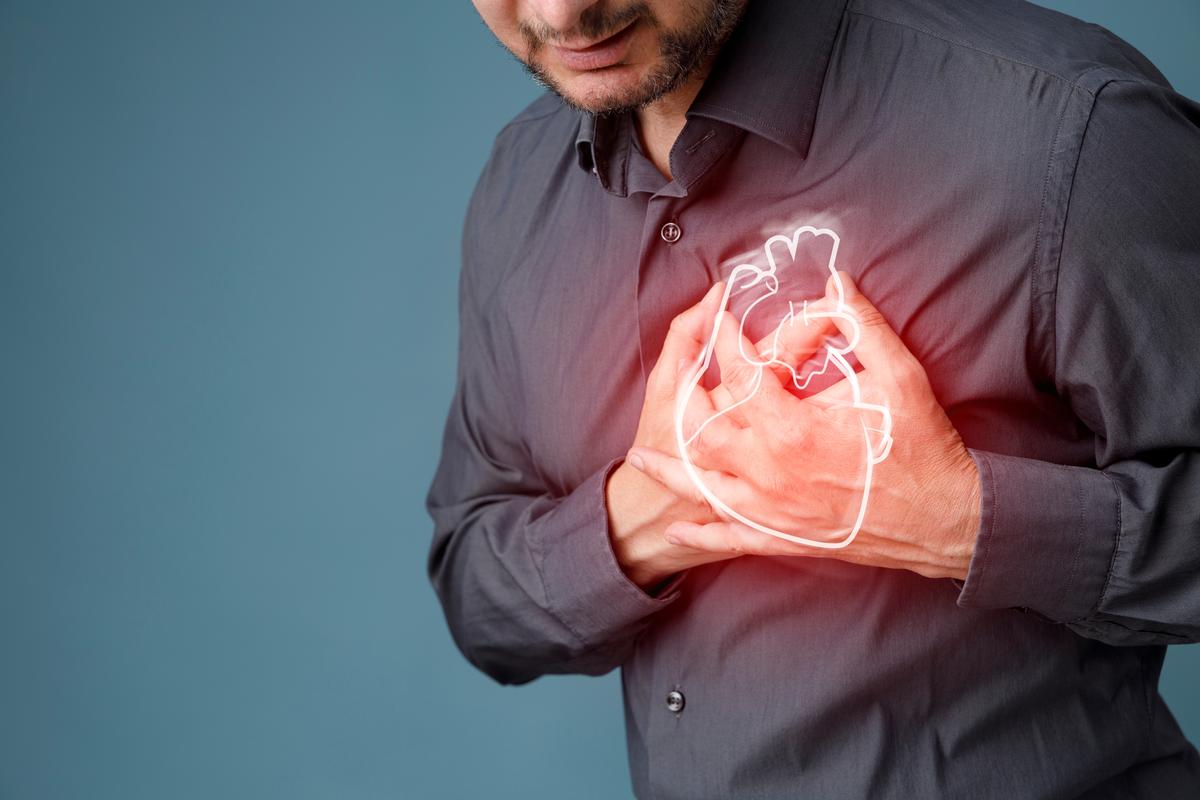
MANY Malaysians still believe heart disease is something that happens later in life. According to consultant cardiologist Datuk Dr Rosli Mohd Ali, that misconception is contributing to a worrying trend.
“Malaysians are now getting heart attacks at a younger age, around 10 years younger than the global average. This has been true for the past several years, and it’s unlikely to change if Malaysians don’t change their attitude towards heart health,” he said.
The trend is reflected in Malaysia’s cardiovascular registries, where around one in four patients admitted with acute coronary syndrome is below the age of 50. Heart disease has also remained the country’s leading cause of death for much of the past two decades.
“While cardiovascular disease may not account for the largest proportion of hospital admissions, heart disease and stroke remain among the leading causes of death,” Dr Rosli said.
The hidden risk of “bad” cholesterol

One reason heart disease often catches people by surprise is that elevated low-density lipoprotein cholesterol (LDL-C), commonly known as “bad” cholesterol, rarely causes symptoms until significant damage has already occurred.
LDL-C contributes to the build-up of fatty deposits inside arteries, gradually narrowing blood vessels and increasing the risk of heart attack and stroke.
Many people assume high cholesterol is solely the result of poor eating habits, but Dr Rosli said genetics and the body’s own cholesterol production also play an important role.
“The majority of LDL-C is actually produced by the body. Some people naturally produce more cholesterol because of their genetic makeup, placing them at risk of heart disease and stroke at a much younger age,” he explained.
Diet remains important, particularly foods high in saturated and trans fats, which can stimulate the liver to produce more LDL-C and further increase cardiovascular risk.
“However, lifestyle alone may not fully explain why some seemingly healthy individuals develop cardiovascular disease. It is a misconception to believe that if you feel healthy, you must be healthy,” he continued.
When heart disease affects the young
Dr Rosli recalls treating an 18-year-old who sought medical attention after experiencing chest discomfort.
Further investigations revealed a strong family history of premature heart disease. His father had developed heart disease in his 30s before dying suddenly, while several other family members had also been diagnosed with cardiovascular disease at a young age.
“In his case, family history was likely a major contributing factor,” Dr Rosli said. “Cases like this remind us that cardiovascular risk isn’t always visible and it doesn’t only affect older adults.”
He also recently treated a 40-year-old sportsman who exercised regularly, maintained a healthy weight and believed he was doing everything possible to protect his heart.
“He told me he exercised regularly, watched his diet and generally took good care of his health. But further investigations revealed significant blockages in his coronary arteries,” he stated.
The case serves as an important reminder that being physically active or appearing fit does not automatically eliminate cardiovascular risk.
“You never really know your cardiovascular risk until you get checked,” he said.
Know your risk before symptoms appear
Dr Rosli said the foundations of good heart health remain unchanged: maintain a balanced diet, exercise regularly, avoid smoking, manage body weight and ensure that major cardiovascular risk factors are monitored and controlled.
However, individuals with a family history of premature heart disease, diabetes, hypertension, obesity or smoking may require earlier and more frequent screening.
Current Malaysian guidelines recommend cholesterol screening for adults aged 30 and above, while those at higher cardiovascular risk should begin screening from the age of 18.
“If you have significant risk factors or a family history of heart disease, don’t wait until you experience a heart attack or stroke. Get checked earlier,” he advised.
Initial assessments typically include cholesterol testing, blood pressure measurements and diabetes screening. Depending on the results, doctors may recommend further investigations to better assess cardiovascular risk.
A holistic approach to heart health

Managing LDL-C effectively requires more than a single intervention.
Dr Rosli advocates a comprehensive approach combining healthy eating, regular exercise and, where appropriate, medical treatment.
“These three components should not be viewed separately. Lifestyle changes remain the foundation, but for some people, medication may also be necessary to achieve recommended LDL-C targets,” he stressed.
Every patient has a different cardiovascular risk profile and corresponding LDL-C target. Current recommendations generally advise LDL-C levels below 1.8 mmol/L for individuals at high cardiovascular risk and below 1.4 mmol/L for those at very high risk.
“The earlier LDL-C is controlled, the lower it is maintained and the longer it stays under control, the better the outcomes are likely to be,” Dr Rosli added.
Treatment decisions should always be individualised according to a person’s cardiovascular risk and treatment goals.
While healthy lifestyle habits remain essential, doctors may recommend cholesterol-lowering medication for patients who require additional LDL-C reduction to achieve guideline-recommended targets.
Shifting from treatment to prevention
One of the biggest challenges in cholesterol management is that high LDL-C usually causes no symptoms, making it difficult for many people to appreciate the importance of long-term management.
Dr Rosli believes patients who understand their condition are more likely to remain committed to treatment and lifestyle changes.
“The patients who ask questions and understand their condition are usually the ones who stay committed to managing it,” he added.
Ultimately, he hopes Malaysians will move away from treating heart disease only after symptoms develop and instead embrace prevention.
“Don’t be complacent or remain ignorant. Heart disease can remain silent for years. The only way to know your risk is to get checked, understand your cardiovascular health and have an informed discussion with your doctor about the best way to protect your heart,” he advised. ‒ Focus Malaysia

No comments:
Post a Comment
Note: Only a member of this blog may post a comment.