


In the last decade, a new digital ecosystem known as the “manosphere” has quietly taken root across social media platforms such as YouTube, TikTok, Reddit, and Telegram.
It claims to advocate for men’s empowerment and masculinity, but beneath that surface, a darker current often flows. Wrapped in the language of “self-improvement”, “confidence”, and “success”, the manosphere frequently disguises resentment, misogyny, and extremism as guidance.
Not all discussions about men’s issues are harmful. Conversations about men’s mental health, identity, and the challenges of fatherhood are necessary and long overdue.
Yet, when these discussions become warped by anger and ideology, they no longer empower, but they manipulate.
The manosphere tells young men that society, feminism, or women themselves are to blame for their pain. It paints the world as a battlefield where “real men” must dominate, not compromise.
Figures like Andrew Tate or Jordan Peterson, along with a constellation of anonymous influencers, have become global icons in this digital movement.

Some offer legitimate advice about discipline or ambition. But when those ideas are mixed with contempt toward women or disdain for empathy, the result is a cocktail of charm and toxicity, one that’s dangerously appealing to disoriented young men.
Why young men drawn in
Many young men today are growing up in emotional isolation. Traditional gender expectations tell them to suppress feelings, “man up”, and equate strength with silence.
At the same time, they are navigating a world where economic and social roles are rapidly changing. The result is confusion, loneliness, and a sense of displacement.
When they go online, they find communities that seem to understand them. The influencers they follow speak directly, confidently, and without apology. They offer simple answers to complex questions on how to be respected, how to attract women, and how to “win”.
For boys who feel unseen in real life, these spaces offer belonging and validation.
But what begins as curiosity often turns into indoctrination. Slowly, ideas about “self-improvement” morph into bitterness - “women can’t be trusted”, “society hates men”, “feminism destroyed everything”.
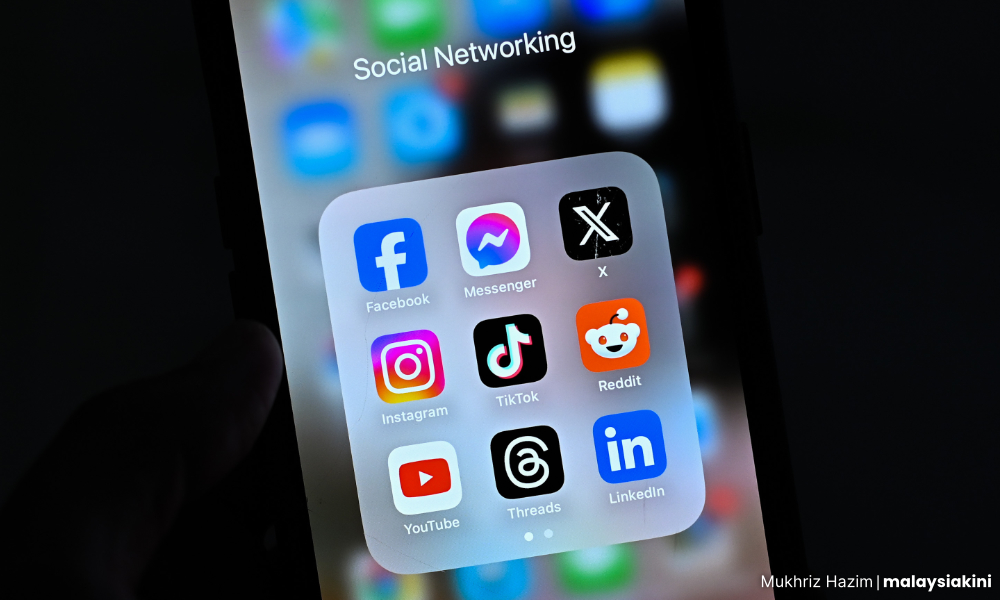
Each click, like, or share feeds the algorithm, which rewards outrage and extremity. Before long, boys who want confidence are instead absorbing hatred disguised as empowerment.
Real-world consequences
The consequences are not abstract. Around the world, the radicalisation of young men online has led to real harm.
The “incel” (involuntary celibate) movement, for example, has been linked to several violent attacks in North America and Europe. These incidents often begin not with violence, but with loneliness and online echo chambers that glorify aggression.
In Malaysia, we are witnessing quieter but equally concerning patterns. Teenagers have been found forming online groups that share misogynistic memes, harassment campaigns, and violent fantasies.
In one case in Johor, a secondary school student who idolised a foreign influencer created a chat group dedicated to “disciplining” girls who rejected boys. He was not inherently violent, but he was emotionally lost, and the internet gave him a script for his frustration.
This is how ideology becomes behaviour: it normalises contempt, desensitises empathy, and rewards dominance over dialogue.
Spot the warning signs
The transformation from viewer to believer rarely happens overnight. It shows in subtle shifts that a new vocabulary filled with derogatory terms for women, sudden defensiveness about “men’s rights”, or withdrawal from friends and family.
When boys begin idolising controversial figures or defending misogynistic ideas with hostility, it’s not just teenage rebellion. It’s a cry for belonging, twisted by digital manipulation.
Parents, teachers, and mentors must pay attention not with punishment, but with empathy. Asking, “Why do you agree with that?” is more effective than scolding. Judgment closes doors; curiosity opens them.
The architecture of social media itself deepens the problem. Algorithms are designed to keep users engaged, not educated. When a boy watches one “self-improvement” video, the platform recommends 10 more, and each one is slightly more extreme. Soon, his digital world is filled with anger, conspiracy, and gender resentment.
This feedback loop turns isolation into identity. The community that once promised understanding becomes a battlefield of “us versus them”. Pain is no longer healed; it’s weaponised.
Reimagining masculinity
If we want to counter this digital spiral, we must redefine what it means to be a man. Masculinity should not be measured by dominance or emotional suppression. True strength lies in empathy, self-awareness, and the ability to express vulnerability.
At home, parents must encourage open conversations about emotions. Boys should be allowed to cry, to talk about failure, to be human.
In schools, emotional intelligence must be taught as seriously as academics. Lessons about respect, relationships, and digital literacy should be integral, not optional.
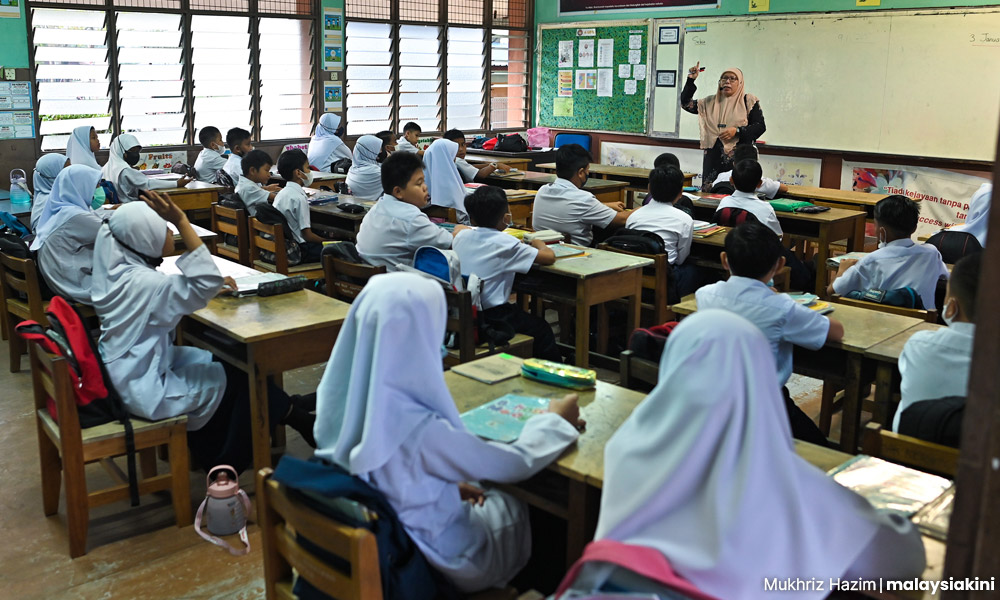
Teachers play a vital role in this transformation. But to facilitate emotional growth effectively, we must change the system that overwhelms them. Paperwork should be significantly reduced so teachers have time to engage with students meaningfully.
Like many European schools, having two teachers per class could allow deeper individual attention. This dual-teacher model creates space for mentoring and emotional support, not just instruction.
We also need to rebuild a close relationship between students, teachers, and parents. This triad is essential to sustain emotional balance in young people. When communication is open and trust is mutual, boys no longer need to seek validation in digital echo chambers.
The way forward
Confronting toxic masculinity online isn’t about censorship; it’s about conversation. We must teach young men how to question what they consume, to see manipulation for what it is.
Digital literacy should include understanding algorithms, recognising bias, and evaluating information critically.
Adults must also model the behaviour they wish to see: compassion, respect, and balance. Young men are not just listening to what we say, but they are also watching how we live.
If we can give them spaces of genuine connection at home, in school, and online, they will learn that manhood is not about domination, but dignity.
In doing so, we can build a generation of men who are confident not because they silence others, but because they understand themselves. - Mkini
R PANEIR SELVAM is the principal consultant of Arunachala Research & Consultancy Sdn Bhd (ARRESCON), a think tank specialising in strategic national and geopolitical matters.
The views expressed here are those of the author/contributor and do not necessarily represent the views of MMKtT.

No comments:
Post a Comment
Note: Only a member of this blog may post a comment.