


This weekend, 579 candidates from 24 parties, or as independents, entered the political fray to contest in Sabah’s Nov 29 polls.
It is the highest number of candidates in Malaysian history to contest in a state election, with no individual seat contest having fewer than four contenders. On the ground, voters are busy trying to figure out who is who and connected to whom.
What distinguishes this election, however, is that the calon (candidate) factor is more important than ever. Arguably, here too, the impact of the calon is among the most important in Malaysian history.
Allow me to explain:
Sabahan way, swarming and splitting
First of all, let’s talk about the numbers. On the one hand, this new record in candidate numbers speaks to a more open democratic culture and an enduring optimism among entrants, especially solo independent candidates, that they have a chance to win due to the support of family and friends. This is very much the Sabahan way, entering for “friendly fights”.
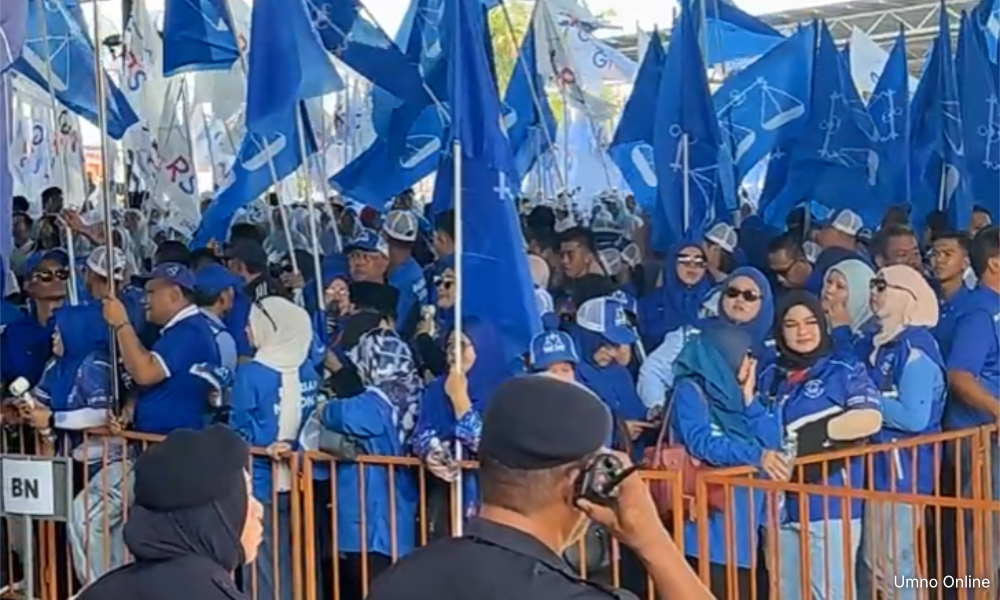
For the most part, Sabah politics is among the most civil in Malaysia, with candidates knowing each other from local communities, often from the same families and networks, and recognising that whatever the result, they live in the same community.
The numbers also reflect a strategic “swarming” practice where many candidates are encouraged (sometimes financially) to enter the race to split the vote, increasing the chances of the plurality winner - the candidate with the most votes. The aim is to swarm a contest so that those with greater ability to mobilise voters will have an advantage.
This is paralleled by a strategy to split the vote, especially among local ethnic/religious communities, to similarly give an advantage to those appealing to groups with fewer potential divisions.
Examples are discussed in my Kerusi Panas Sabah series, focusing on the northern frontier of Sabah, as this is a practice particularly common there, in places such as Paginatan and Kundasang, among others.
Power, personality, and position
At the core of these calculations is also a recognition that the calon - their social and political standing, family size, and personality - really matter. One wonders, for example, why Mohamaddin Ketapi (now running as an independent) got elected in Segama. One of the reasons is his large family.

Similarly, when cousins, siblings, and other relatives contest against each other - a phenomenon in at least a quarter of the seats, such as Telupid (cousins), Kukusan (siblings), Usukan (uncle and niece), and Liawan (Musa Aman family) - the impact is a fragmentation of their family vote.
All too often, voters complain about difficult personal choices, as it is one family member against another, especially if they are in or close to the family.
Keep in mind that the average number of voters in a state constituency in Sabah is around 25,000, but there are differences within Sabah, with more voters in urban seats.
The seat with the fewest voters is Banggi, the island in the north near Kudat, with around 10,000, while Kapayan, in the heart of Kota Kinabalu, has 50,000. For many Sabah seats, the candidate is personally known through social connections, from their church and mosque, to their professional and sports networks.
For ordinary Sabahans, personal political ties matter for livelihoods. Importantly, candidates are seen as a source of support for the survival of many Sabahans, especially those more vulnerable.
The common refrain from the field is “bantuan” - assistance. This takes the form not only of money and goods, but also of resolving local problems from floods to documentation. Voters look to the candidate for pragmatic, personal interests.
It’s important to appreciate that social services and institutions are not as strong in Sabah as they are elsewhere in Malaysia. As such, local representatives have greater power and influence to shape the lives of individuals, especially those more dependent on the government.
This gives advantages to candidates who are perceived as “generous” or “accessible”. In Bongawan, for example, Warisan’s Daud Yusof is beloved, coming on his motorbike to immediately address a local issue. Similarly, GRS’ Ghulamhaidar @ Yusof Khan Bahadar remains popular in Kawang due to his personality, despite his veteran status.
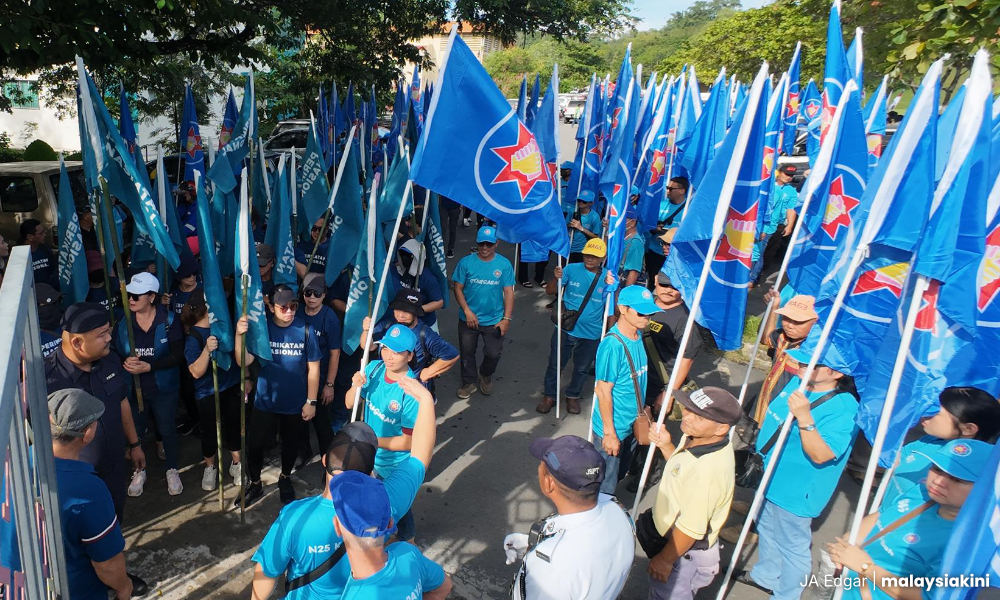
Local mini warlords, especially, have considerable influence, as they are not only the access points to survival but usually have large political war chests, tied to perceived gains from being in office. This is the case, for example, in places such as Sugut.
Incumbency advantage and access
This gives incumbents, especially those in the government and tied to resources from the government, an advantage. Individual representatives are seen as “the government”.
Voters often explain that the main reason they vote for GRS is that they are “the government”. What is emphasised is not what the government has done. Rather, the focus is on what can be provided, especially if needed.
Favouring those who are seen to be in “government” gives an advantage to GRS and PKR, both parties that are heavily using their resource advantage in the campaign.
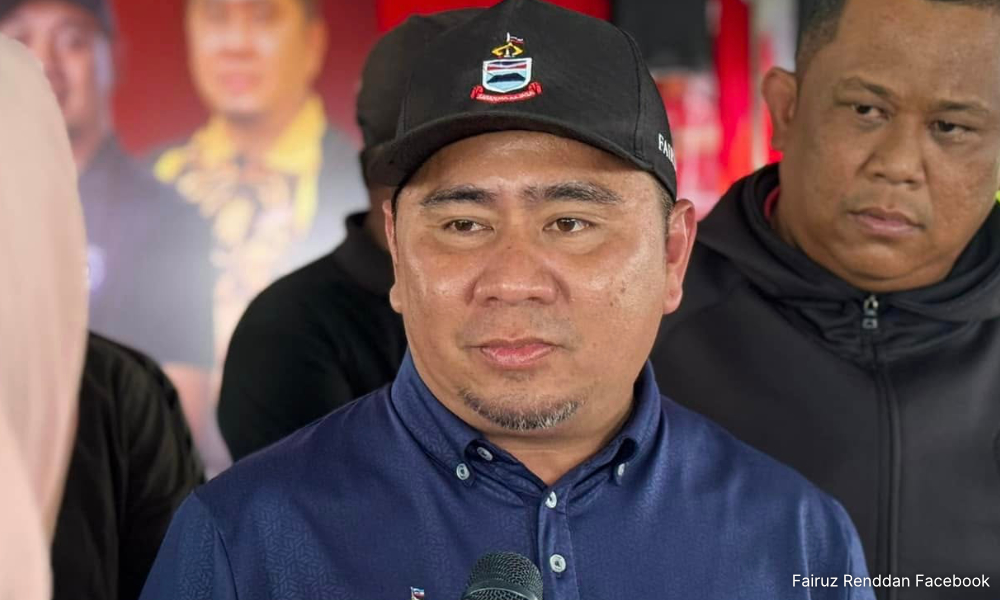
Among the many competitive contests, some have become more so as a result of a party dropping the incumbent. Fairuz Renddan was dropped in Pintasan by Gagasan Rakyat Sabah in favour of Pandikar Amin of Usno, a decision that could very well result in the loss of the seat. Fairuz is contesting as an independent.
Frankie Poon was dropped by DAP in Tanjong Papat, a decision that has made this contest even more competitive at a time when the party is already facing stronger “local party” headwinds. Poon has joined KDM.
The power of incumbency and personal loyalties of voters to individual candidates often overshadows scandals, especially corruption and concerns about the practice of frogging.
The jumping practice is continuing to happen, with candidates running under new banners, although they will be prevented from frogging once they have won the seat under a particular party.
This, along with the potential legal implications and financial cost of signing a RM10 million contract, curtailed two GRS candidates from running - Shahelmey Yahya and Andi Suryady Bandy, who are also MPs for Umno.
Their brother and cousin, respectively, are running instead. The placement of family surrogates has not been well received by voters in either urban constituency.
Impact of deals
Most of the saliency of the calon factor, the numbers and influence, is shaped by Sabah’s political conditions - the open political culture, the ethnic diversity encouraging strategic swarming and splitting, weaknesses of services and importance of local representation, strong social networks, and an enhanced incumbency advantage.
Yet, there is a broader feature that underscores a heightened role of the candidate - the practice of political deals/toxic alliances.
Malaysians have less trust in the party they vote for; they worry that the party will ally with whom they did not vote for. Given the reality that no party is expected to win a majority of seats in these coming polls, the deals of parties will be even more decisive in Sabah.
As such, Sabahan voters look to the candidate for greater trust.
This is what voters are doing now, looking carefully at the candidate, and hoping that among the many choices, they make the right choice. - Mkini
BRIDGET WELSH is an honorary research associate of the University of Nottingham’s Asia Research Institute, a senior research associate at Hu Fu Centre for East Asia Democratic Studies, and a senior associate fellow at The Habibie Centre. Her writings can be found at bridgetwelsh.com.
She is on the ground in Sabah researching the polls, and her written analysis can be found exclusively in Malaysiakini and through her self-funded podcast Kerusi Panas Sabah.
The views expressed here are those of the author/contributor and do not necessarily represent the views of MMKtT.

No comments:
Post a Comment
Note: Only a member of this blog may post a comment.